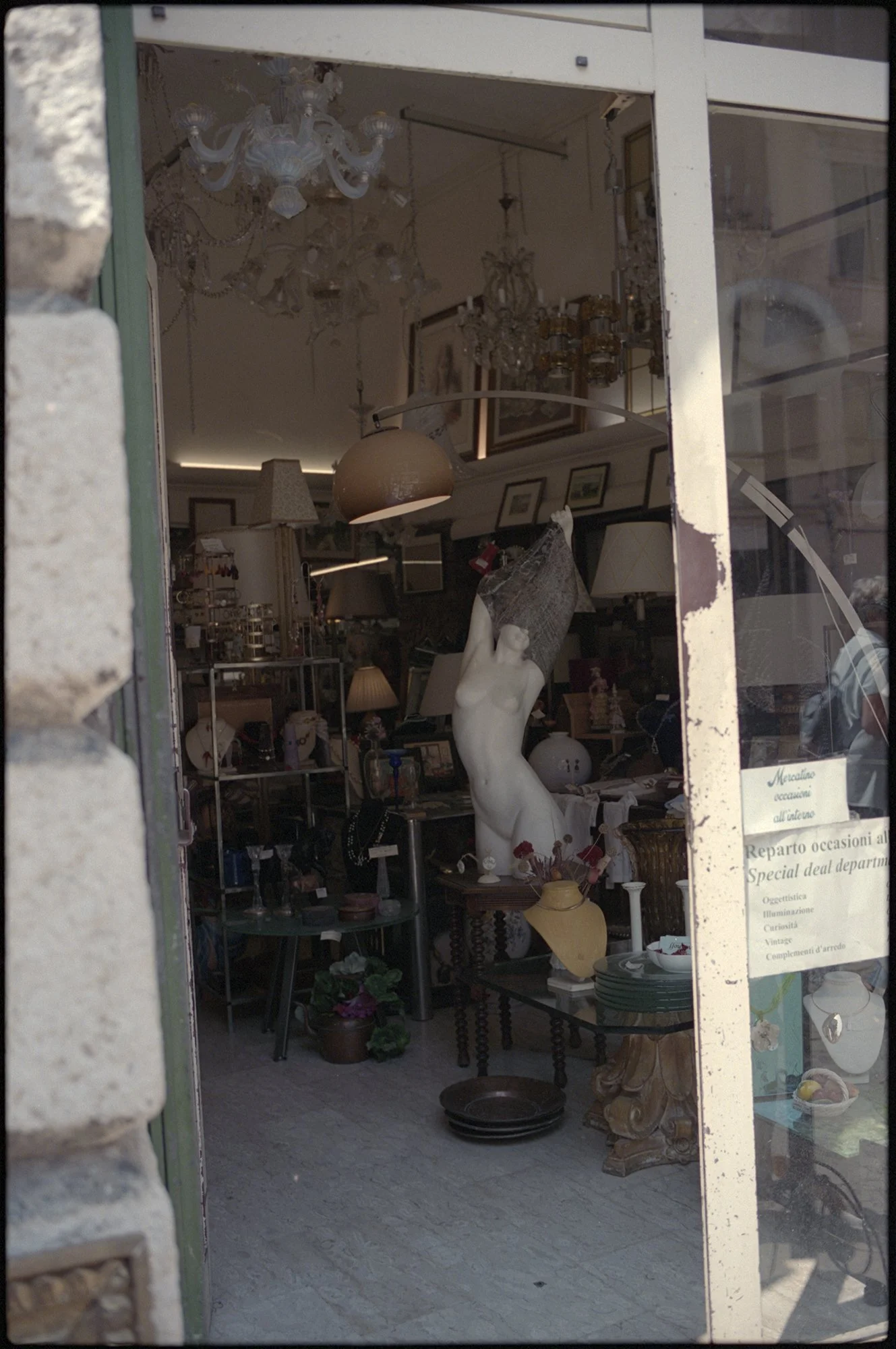
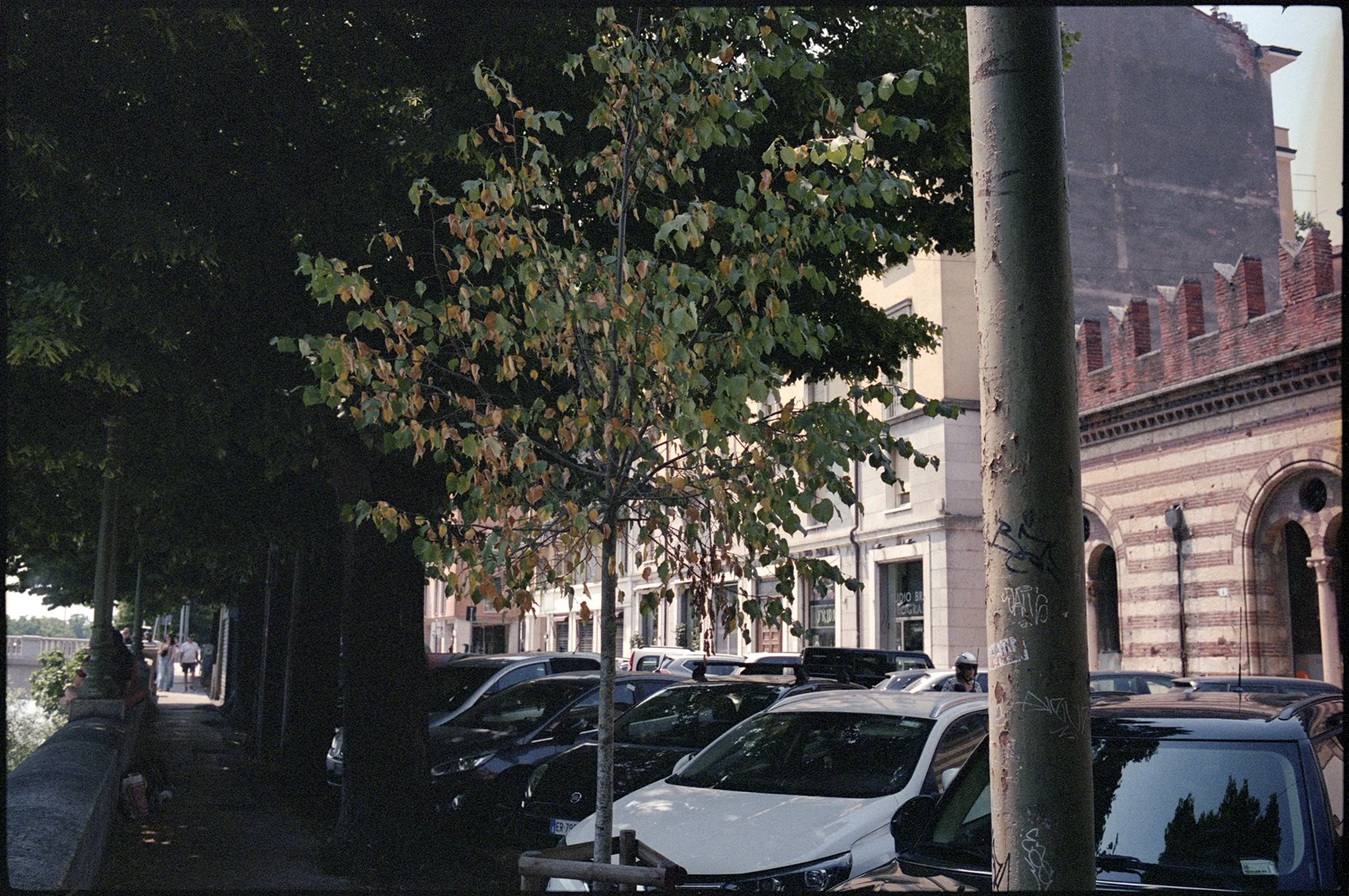
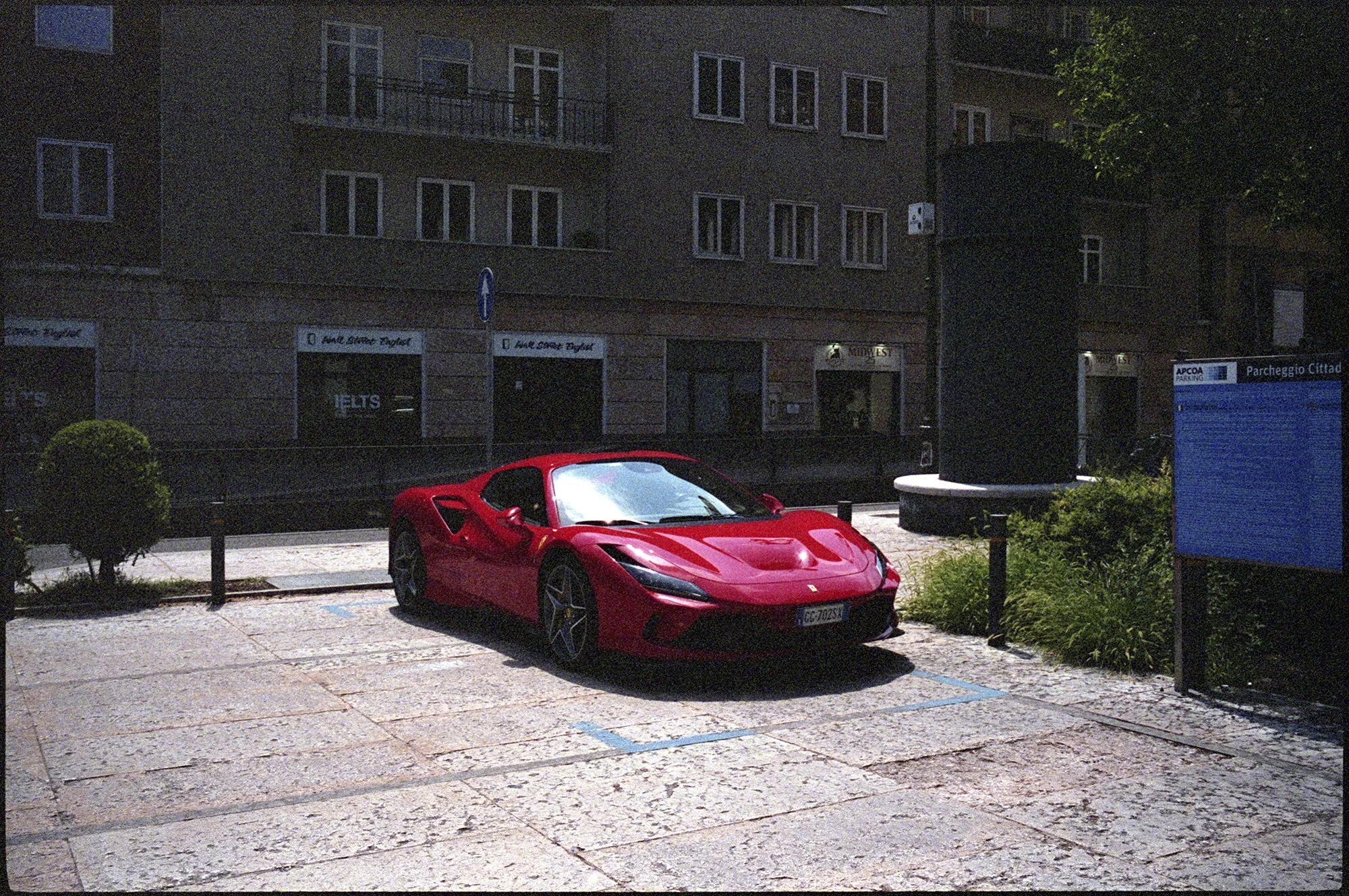
On a walk around my neighborhood
Notes on the Visible
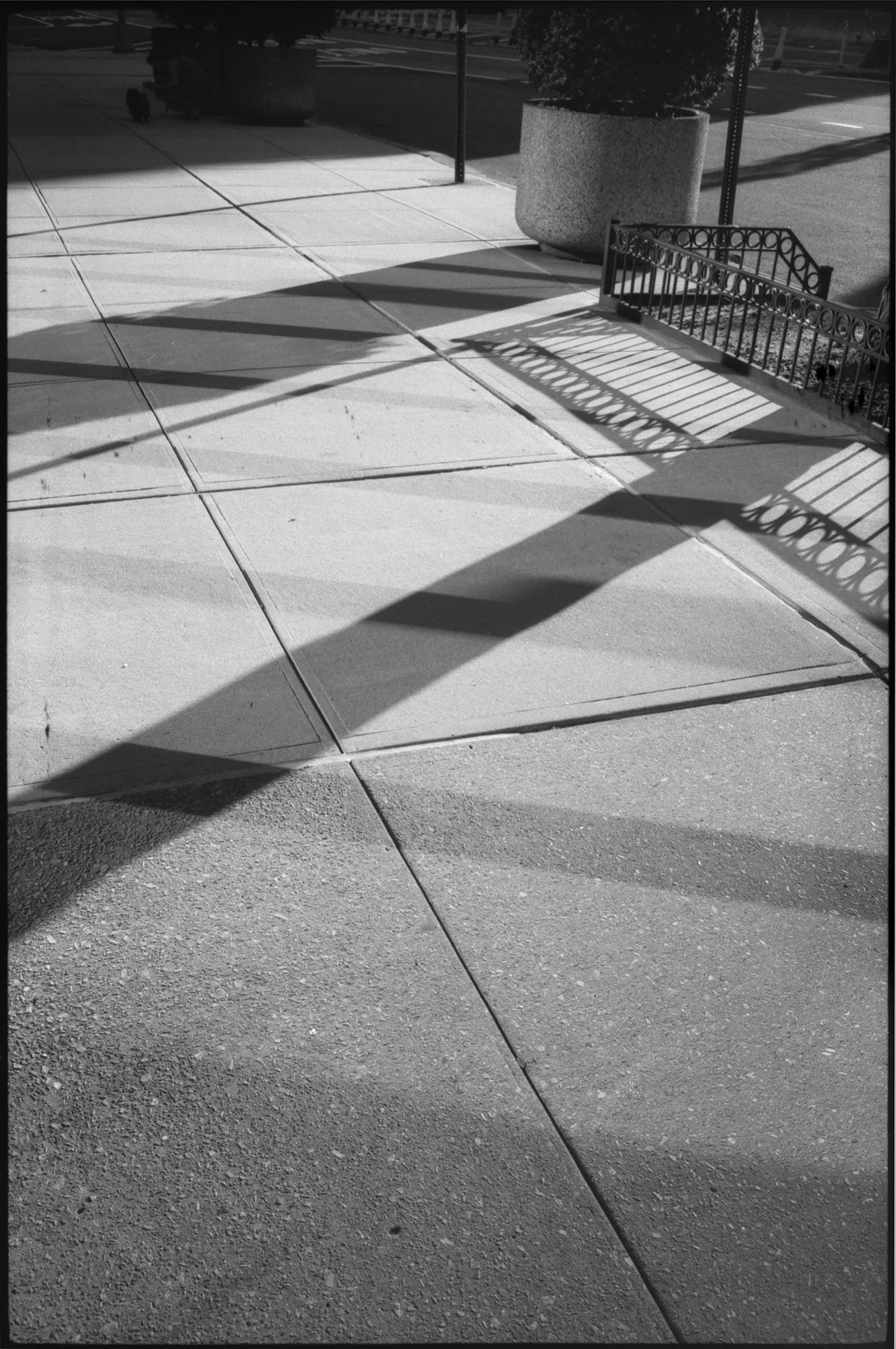
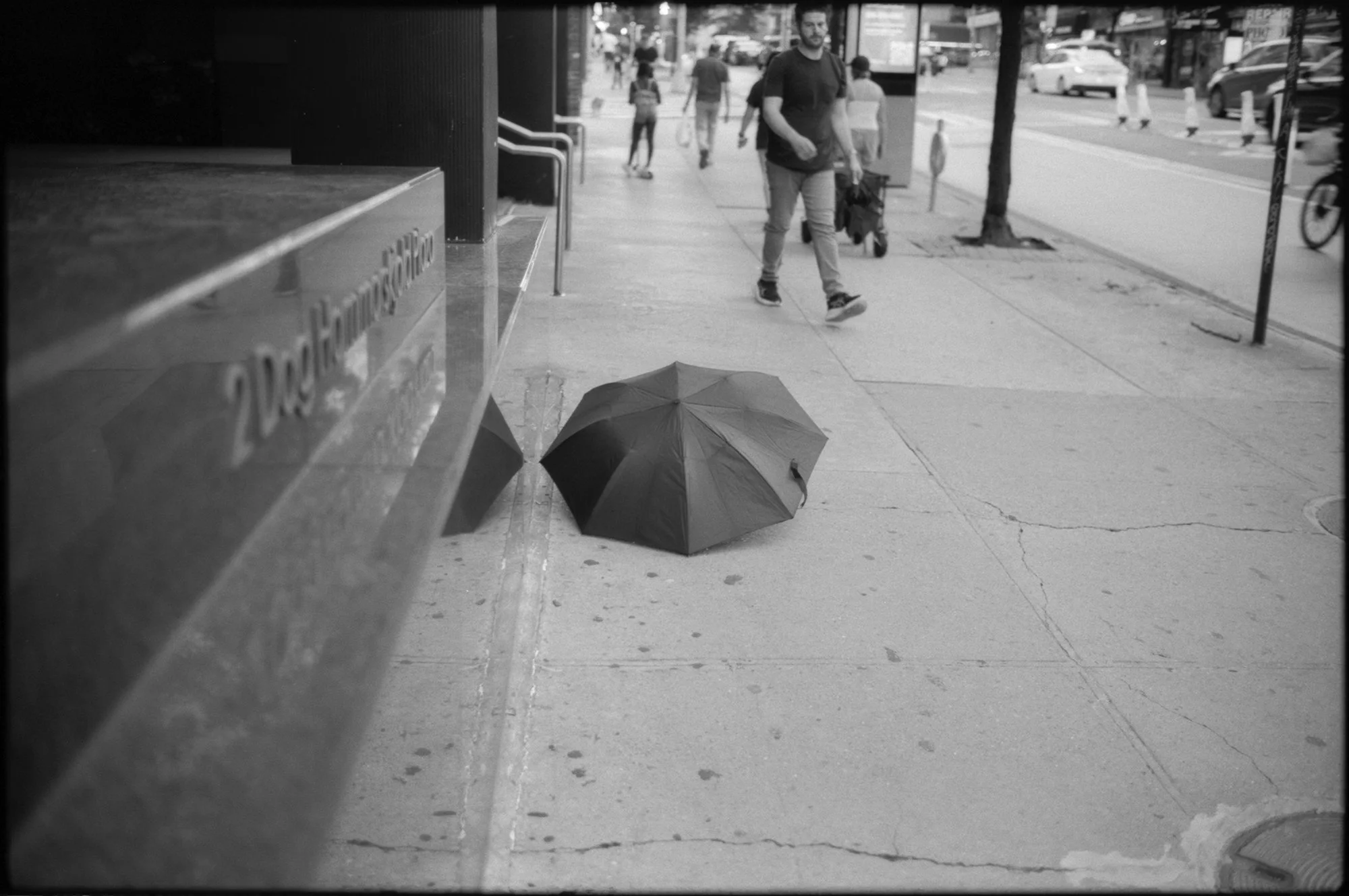
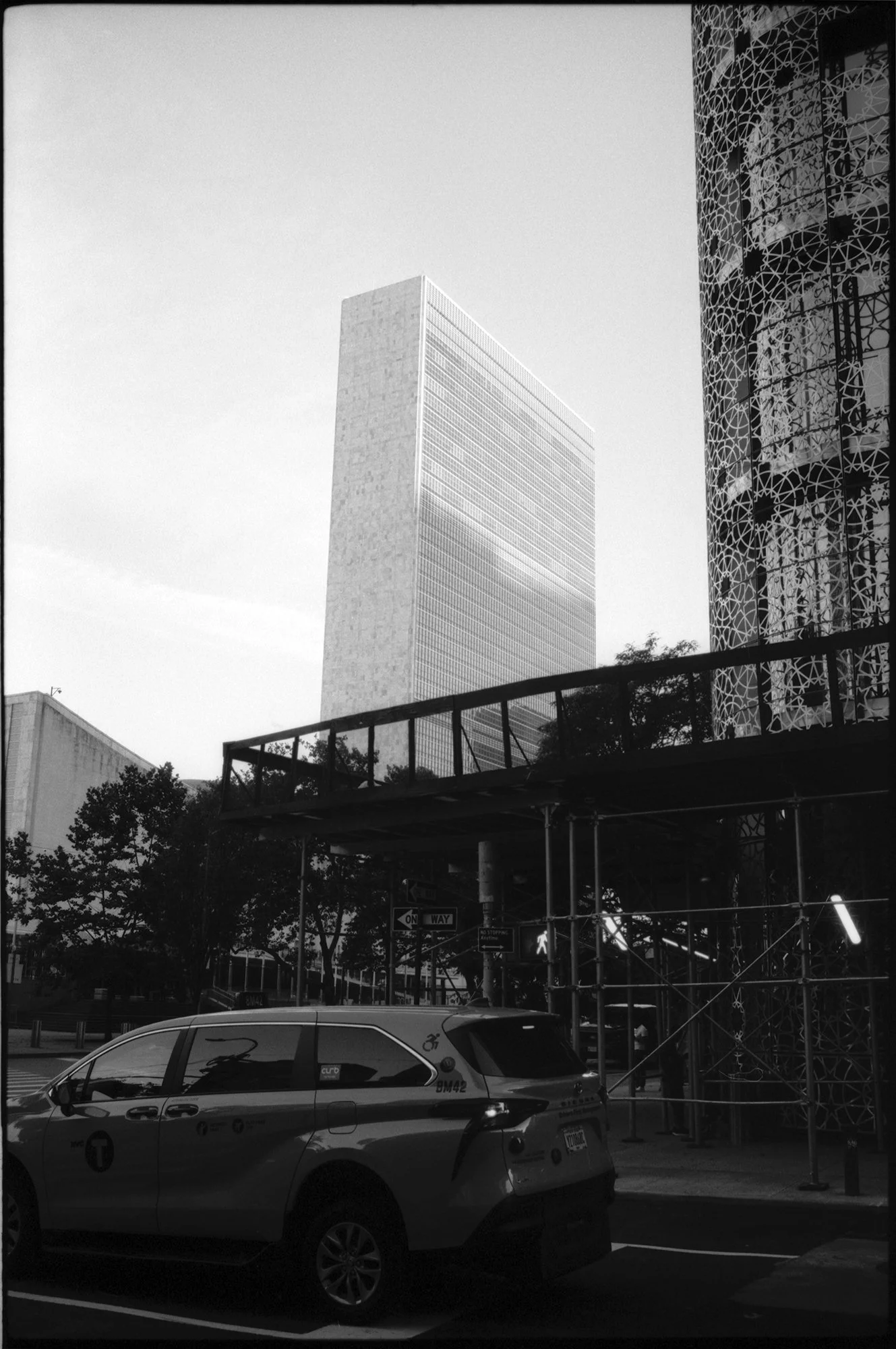
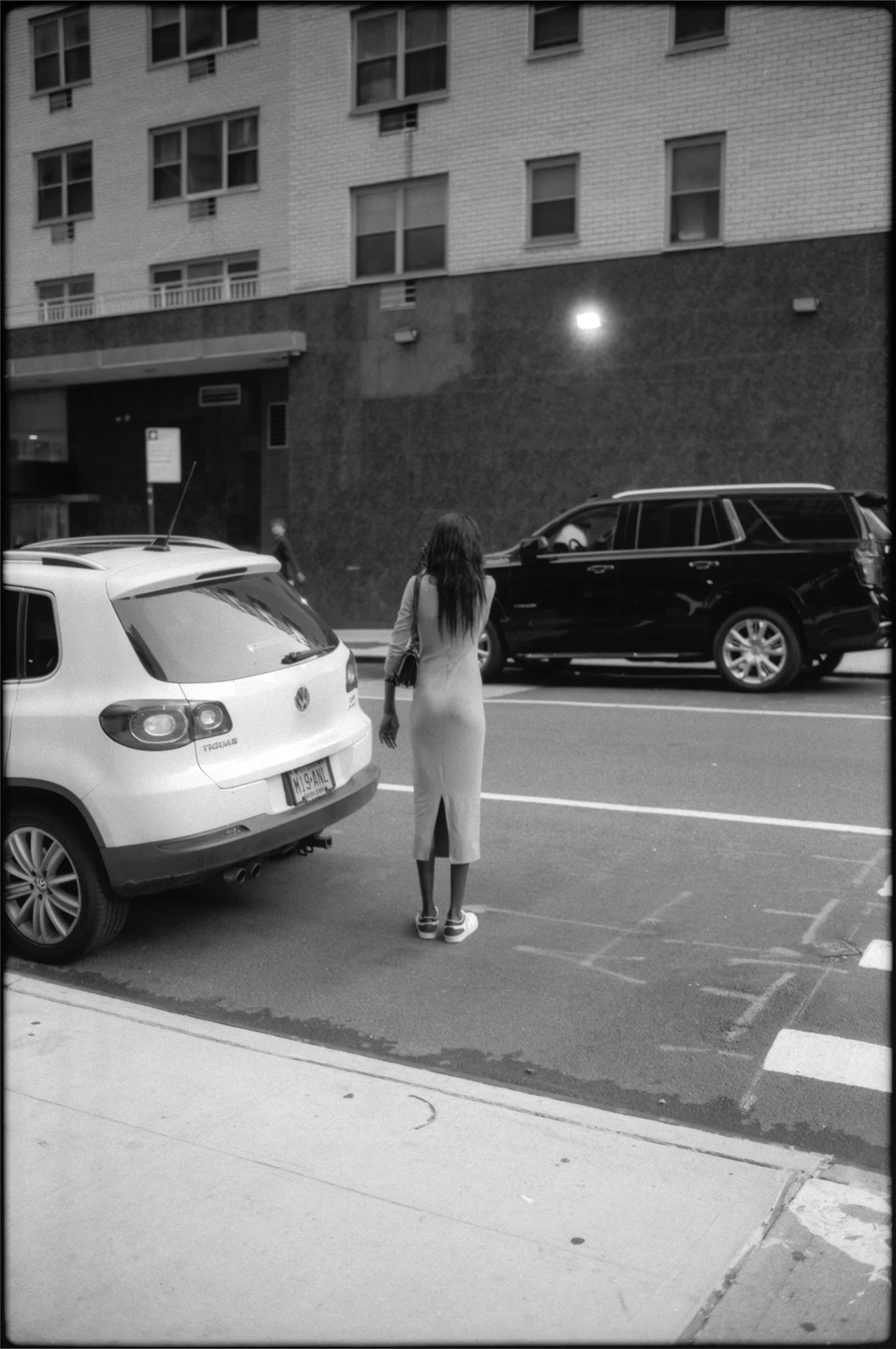
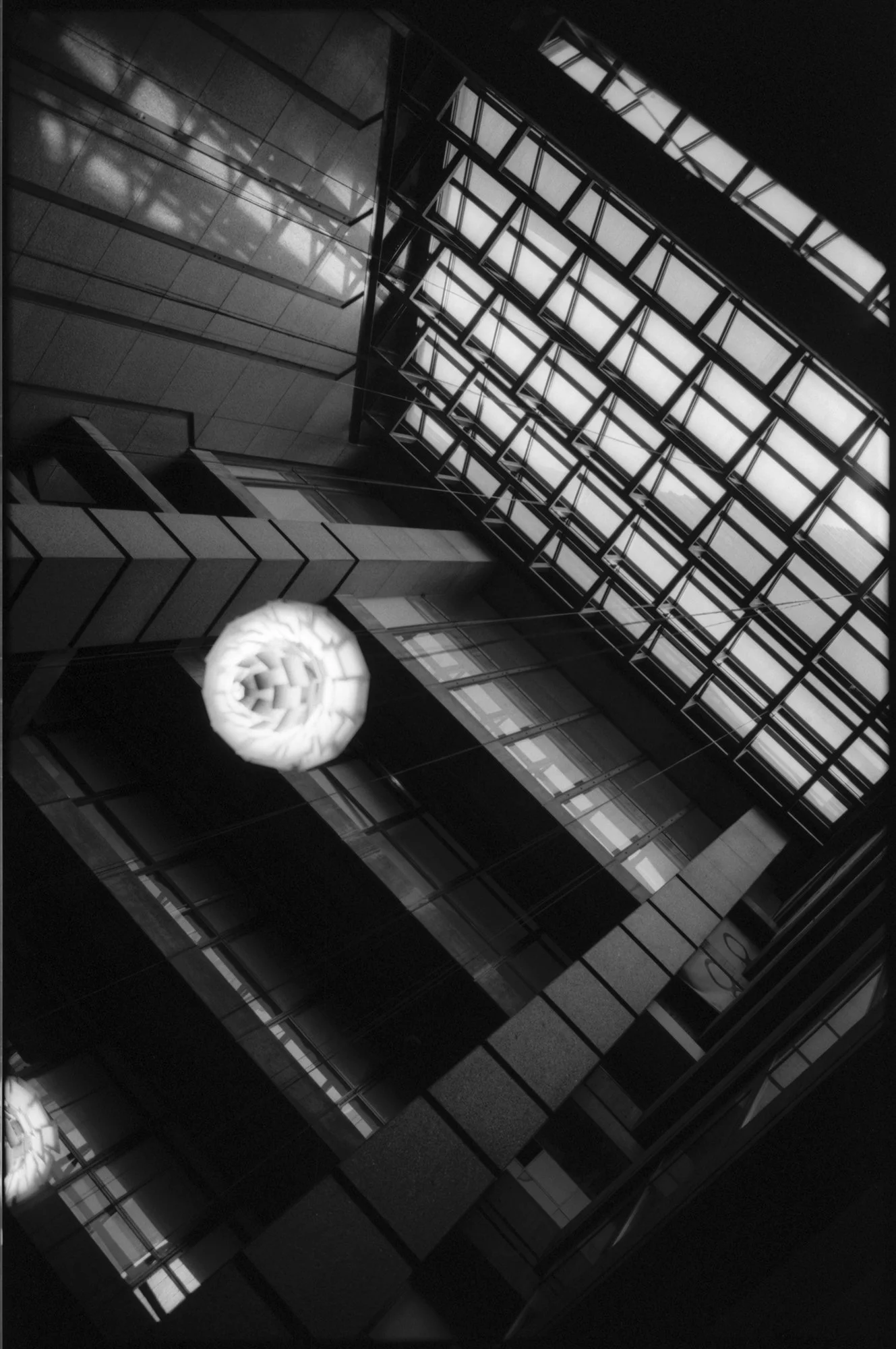
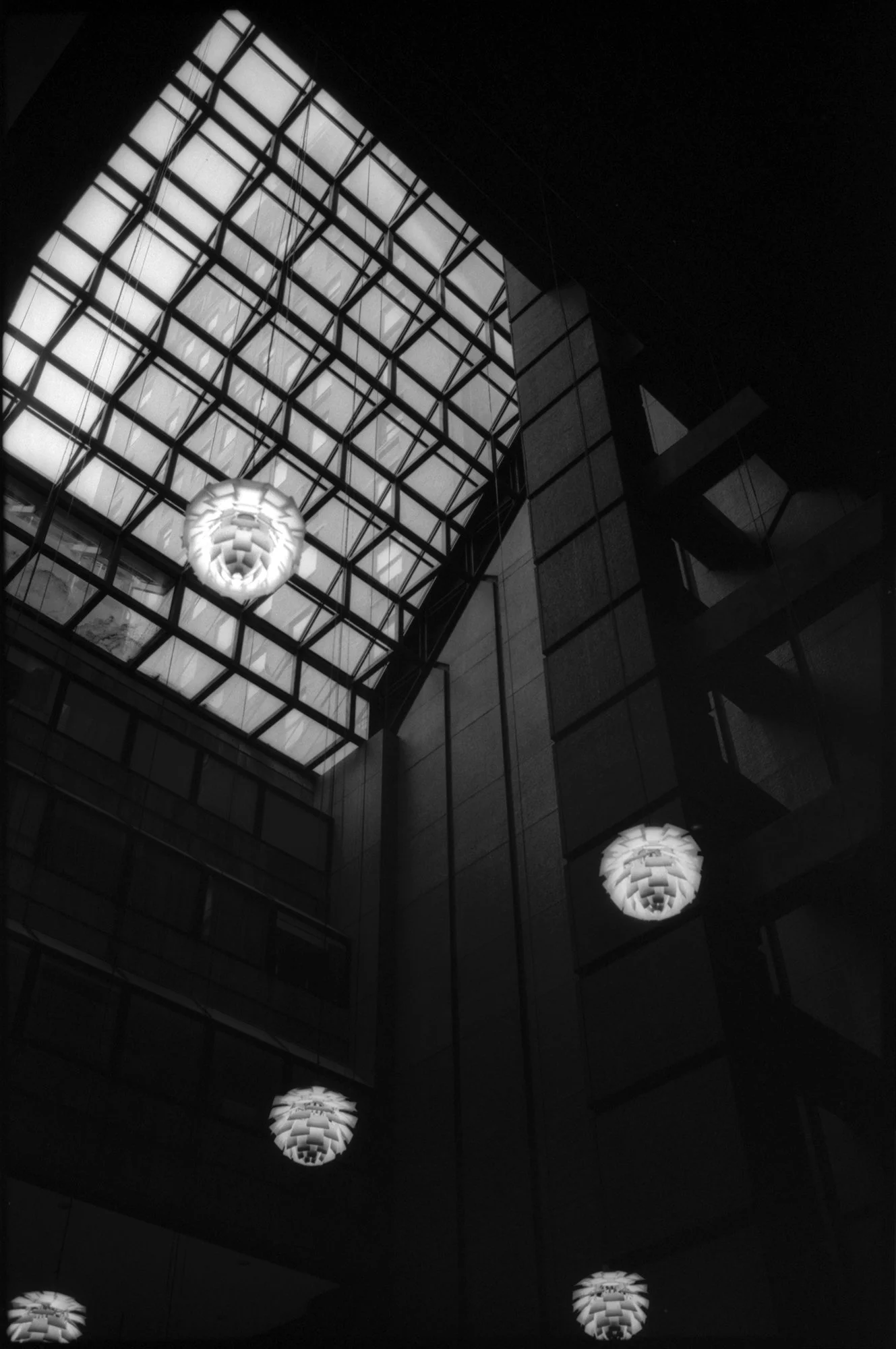
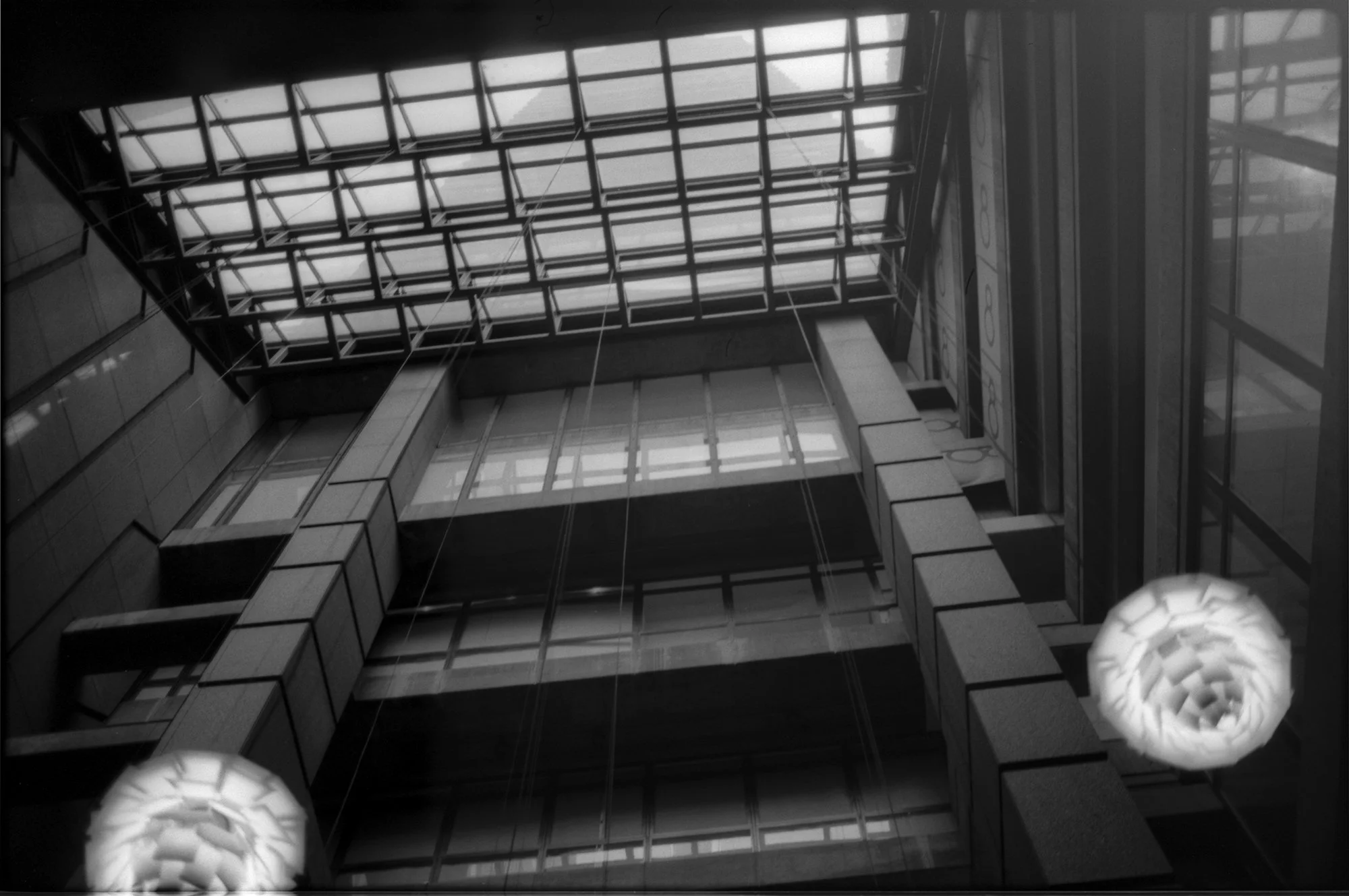
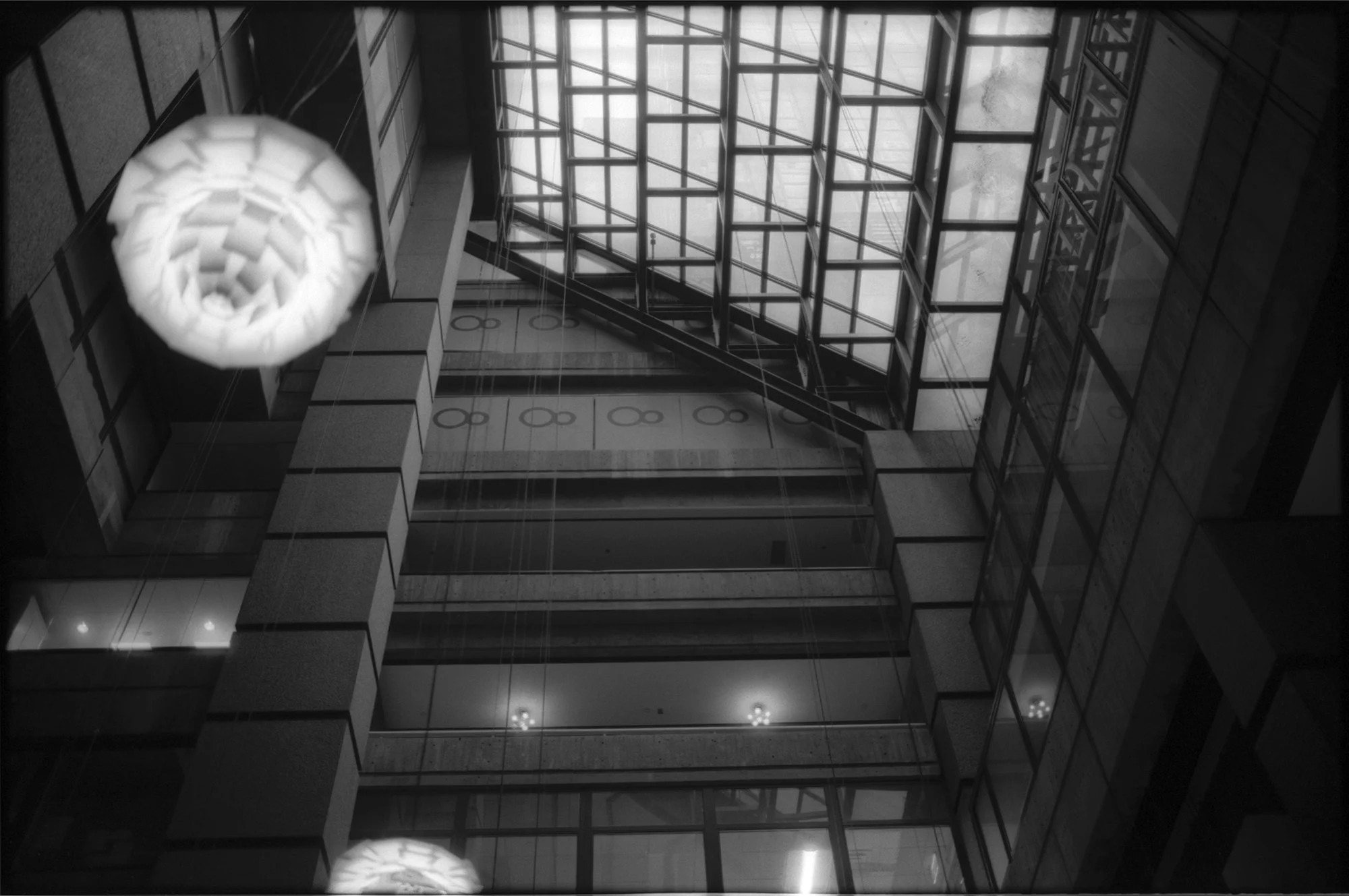
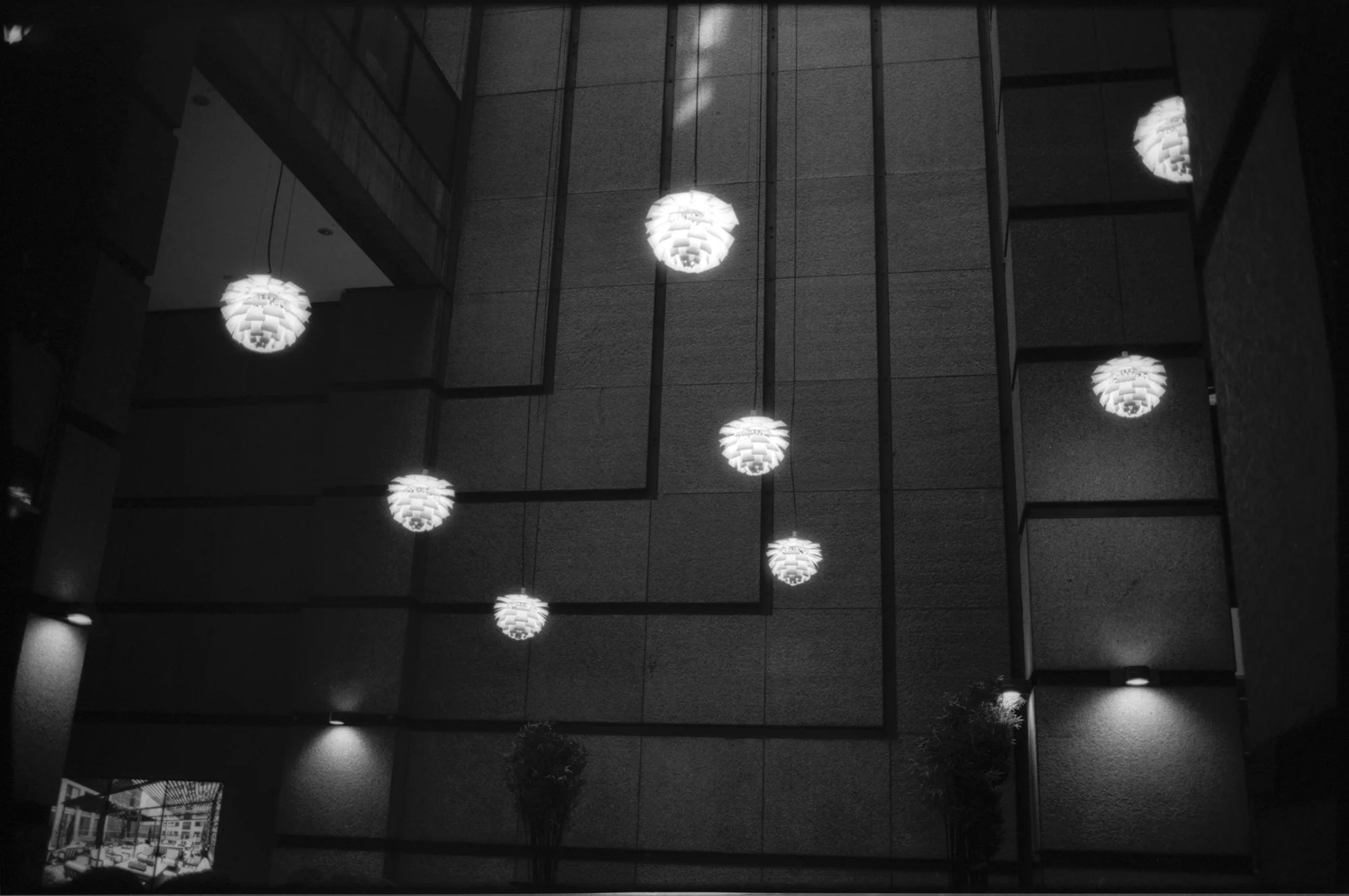
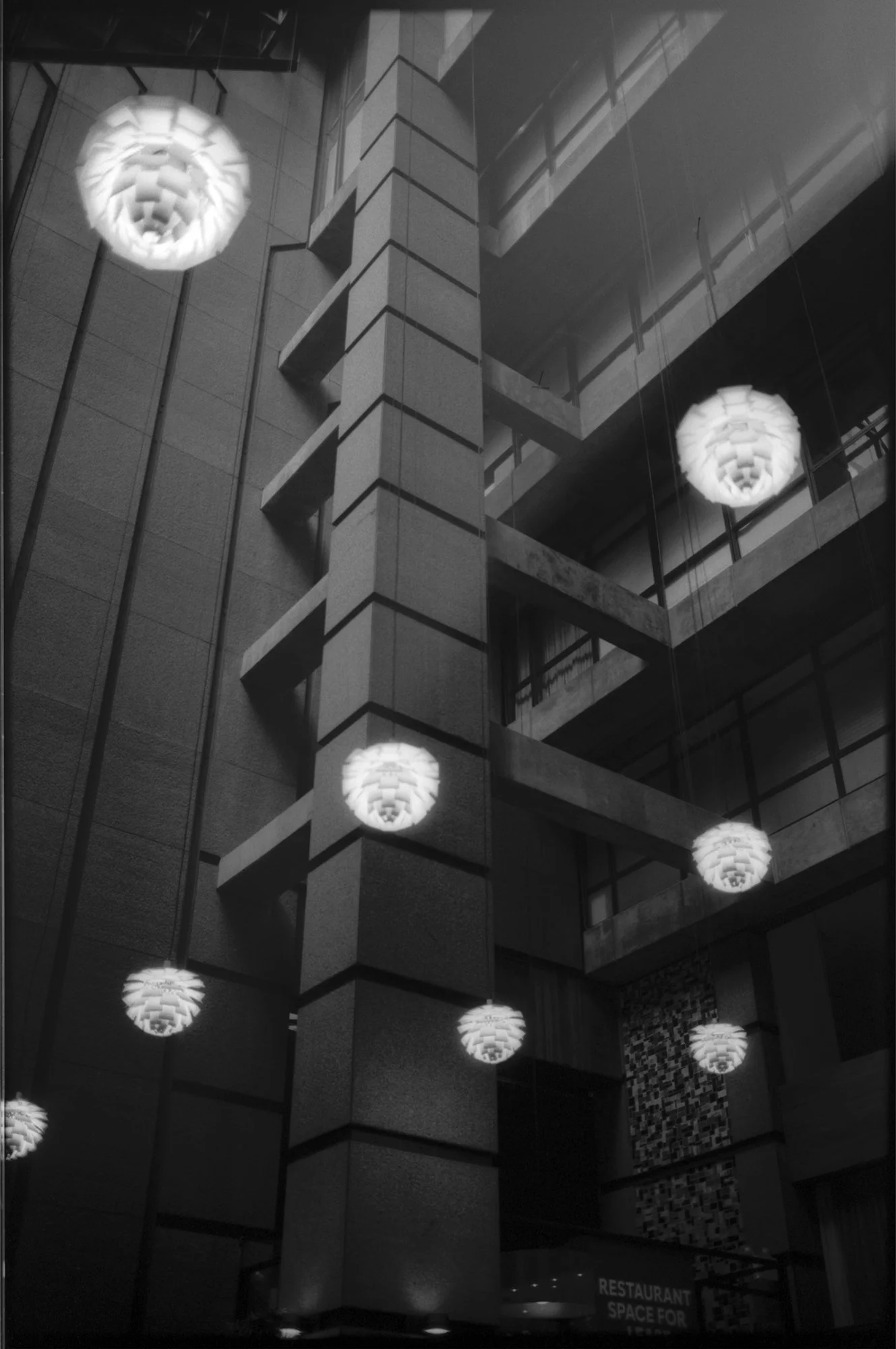
I occasionally visit the public atrium at 115 East 57th Street, here in Midtown Manhattan. It’s a basically vacant space that sits beneath the property’s 55-story tower—the first 16 of which comprise commercial spaces. Reading up on the 1975 skyscraper’s history, I sense some of the reasons why there’s so much emptiness there, and perhaps why at least one of the tower’s commercial spaces smells a bit musty. However, in the atrium, I think there’s so much potential. Restaurants and other businesses over the years have seen potential, too, but now none remain.
Architecturally, it’s heavy-duty and fantastic. It’s tempting to call it Brutalist due to the emphatic display of concrete, but it’s not that eccentric. Rather it’s a modernist response to the site’s physical demands, and the incredible weight of the upper floors. It has that certain 1970s elevation of lower-grade building materials, and feels a bit like a university science building, or maybe a bunker. But I salute this building’s attempt at something. I like the weight of the high-strength concrete bearing down on me as I enter and then even descend the five or six steps to the below-grade atrium floor. The windows facing into the atrium from some of the commercial spaces are all empty. Foorfalls echo up the 27-meter-high public area.
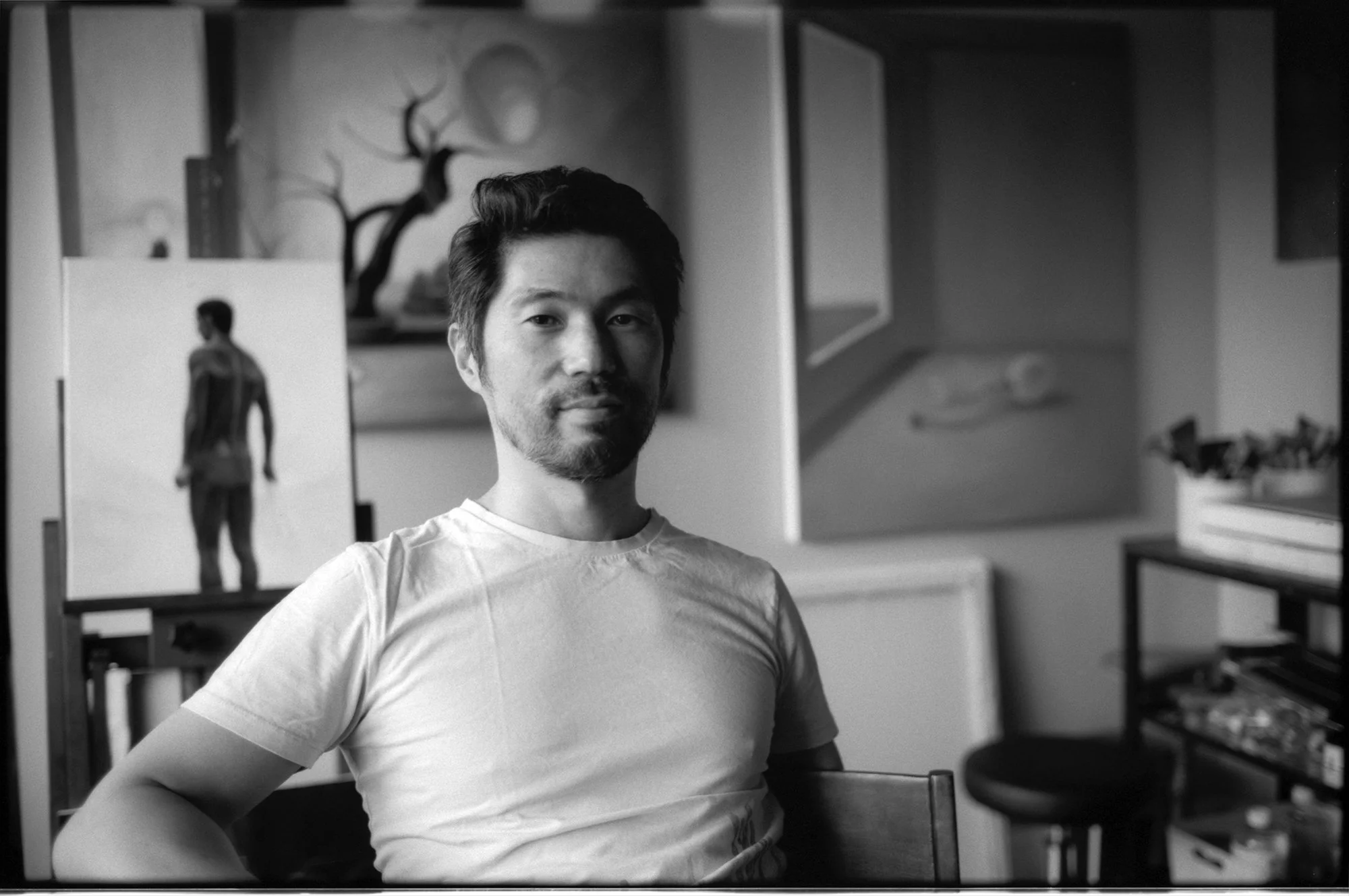
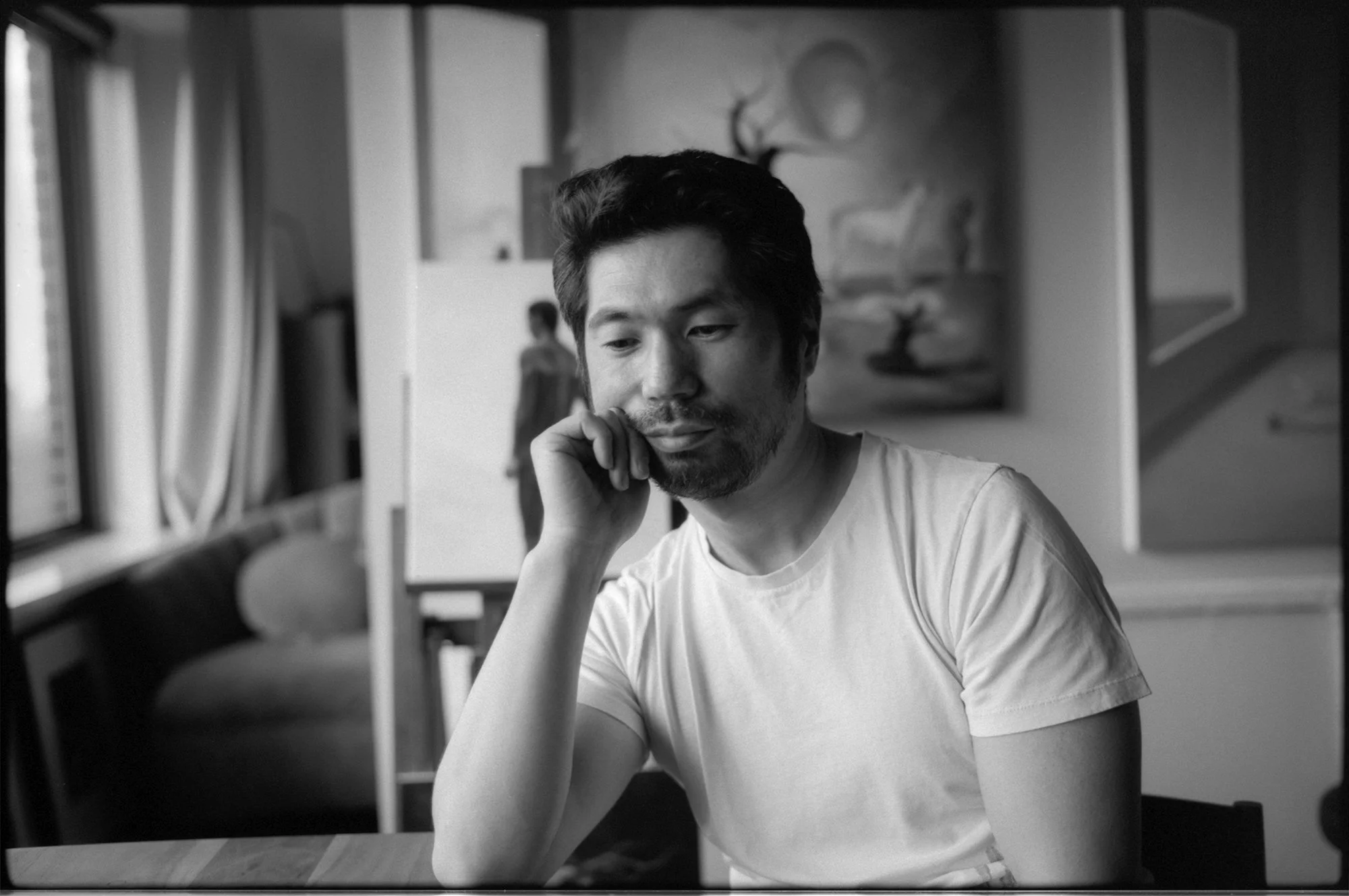
Last month, I visited my friend Shen Wei on the Upper West Side. He had just finished moving his studio there, from a space neighboring my own in the Garment District. “When I woke up the morning after moving,” he said, “I felt like a new person.”
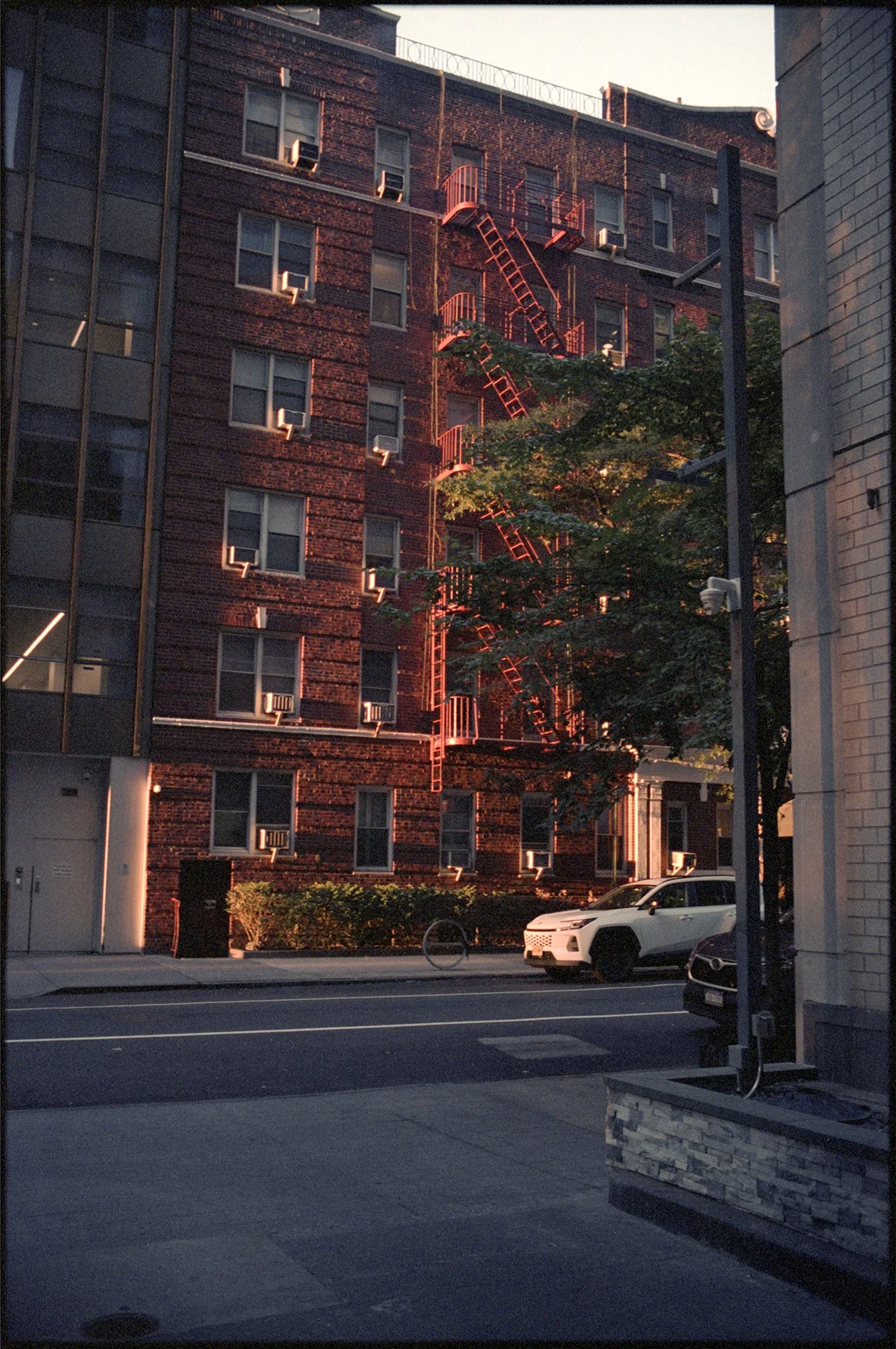
Earlier this summer
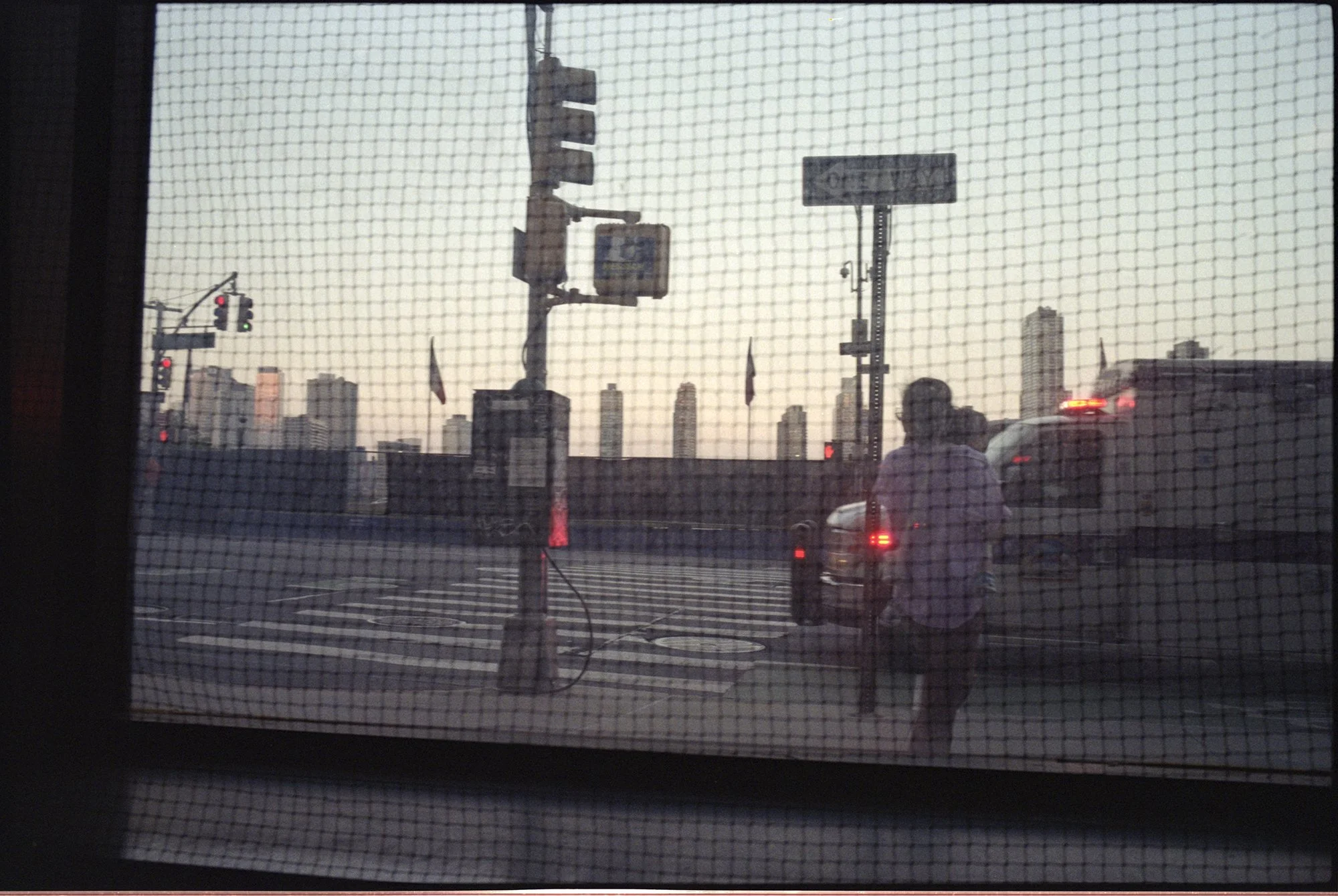
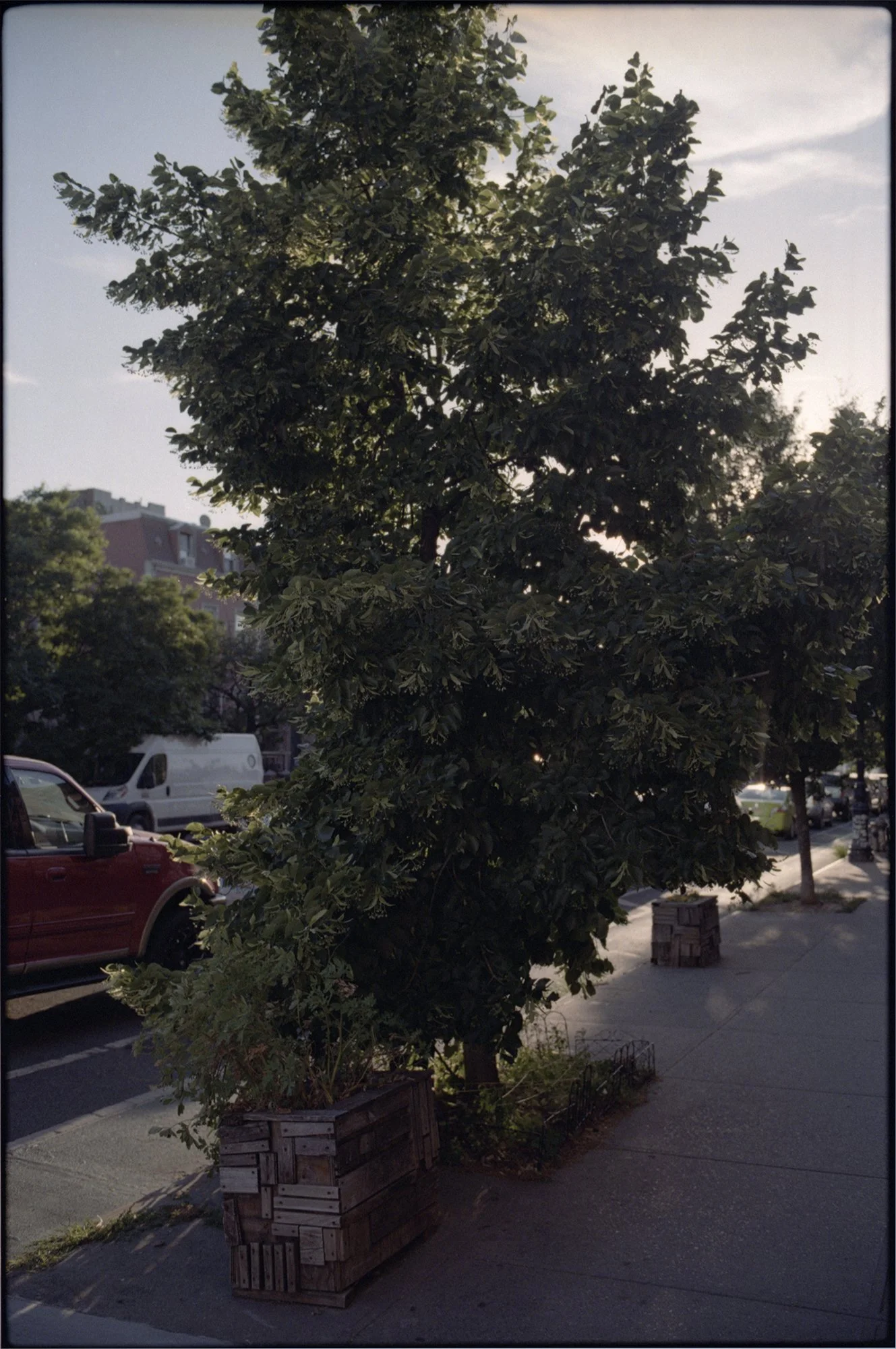
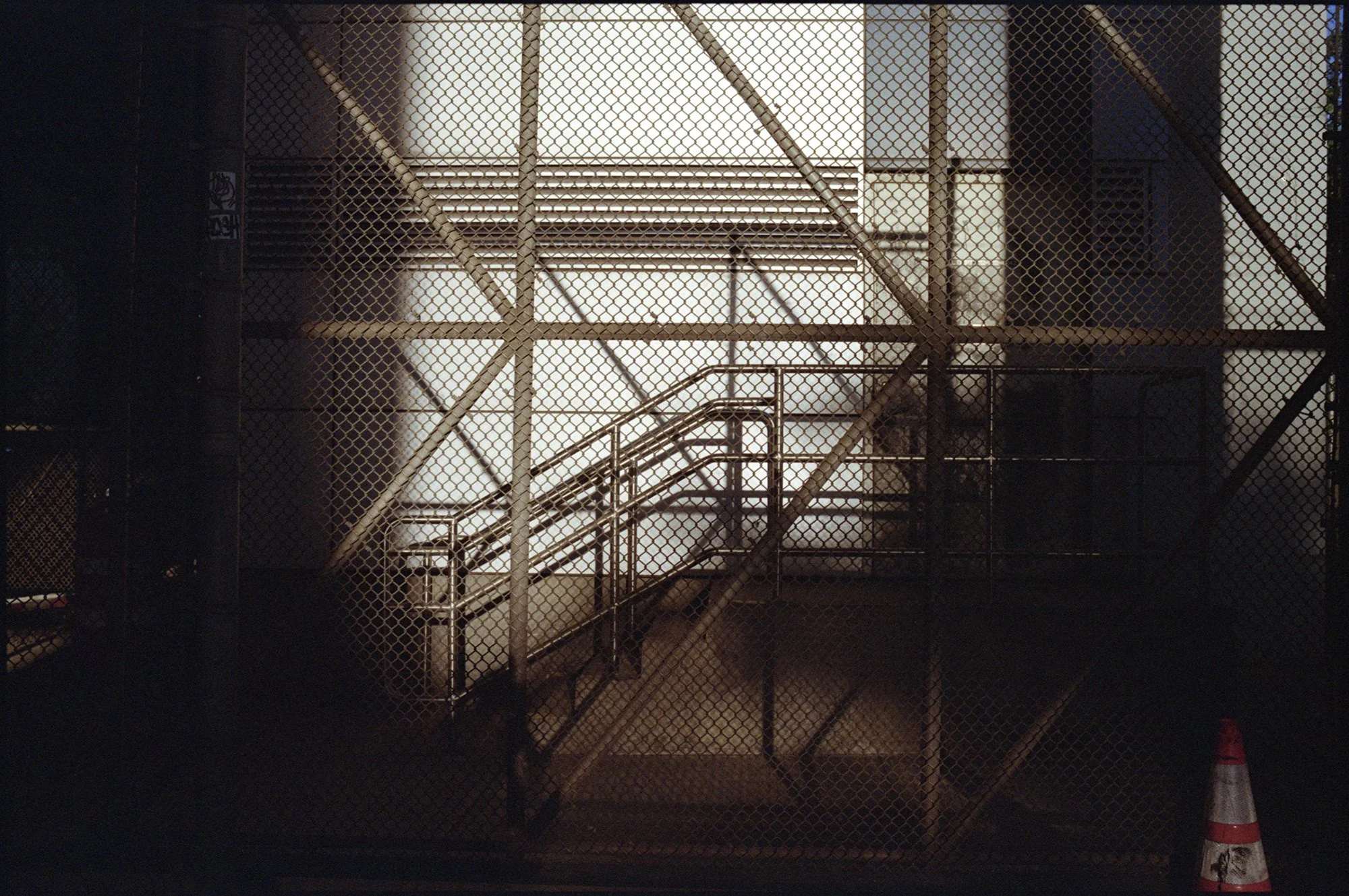
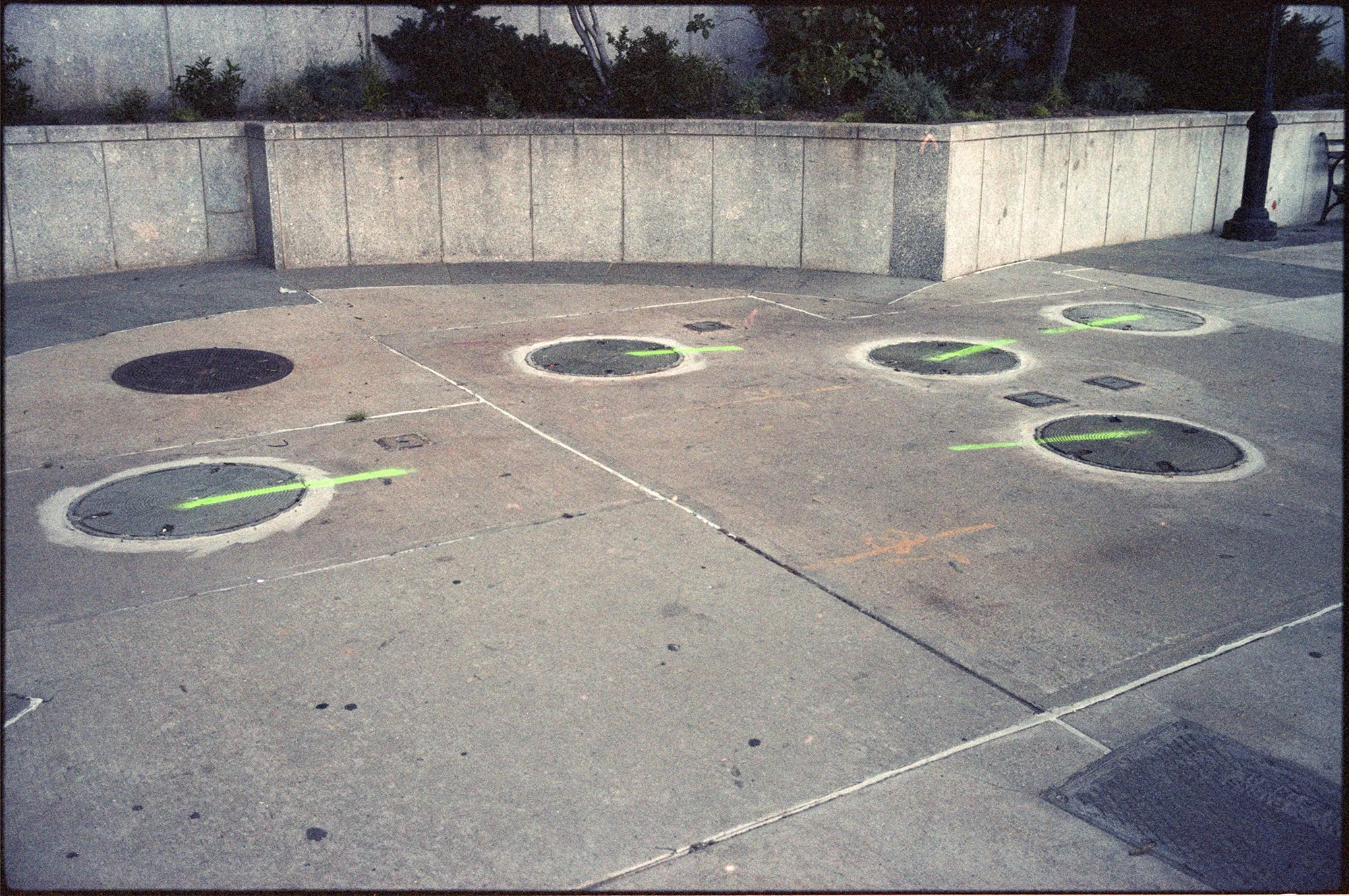
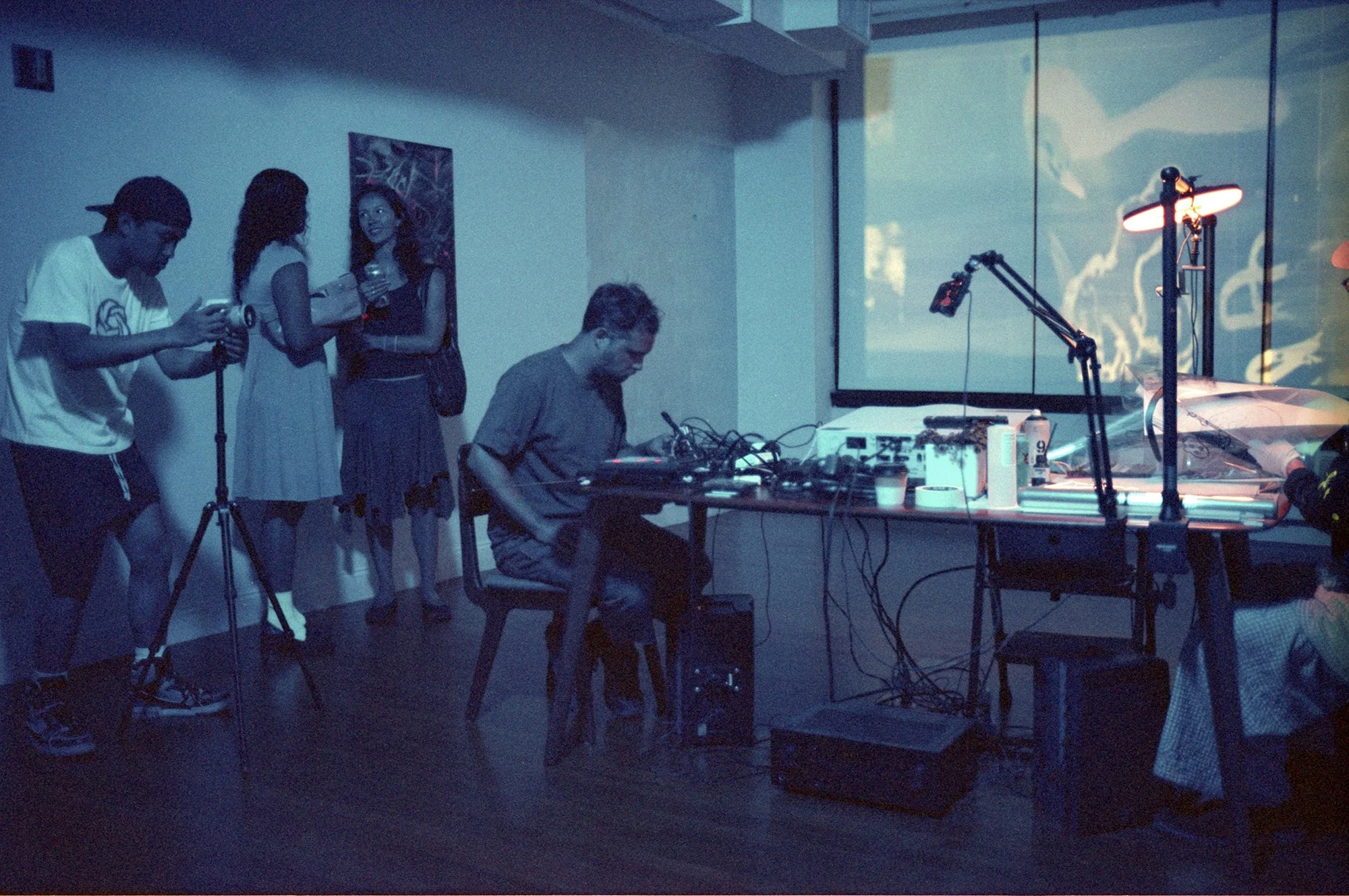
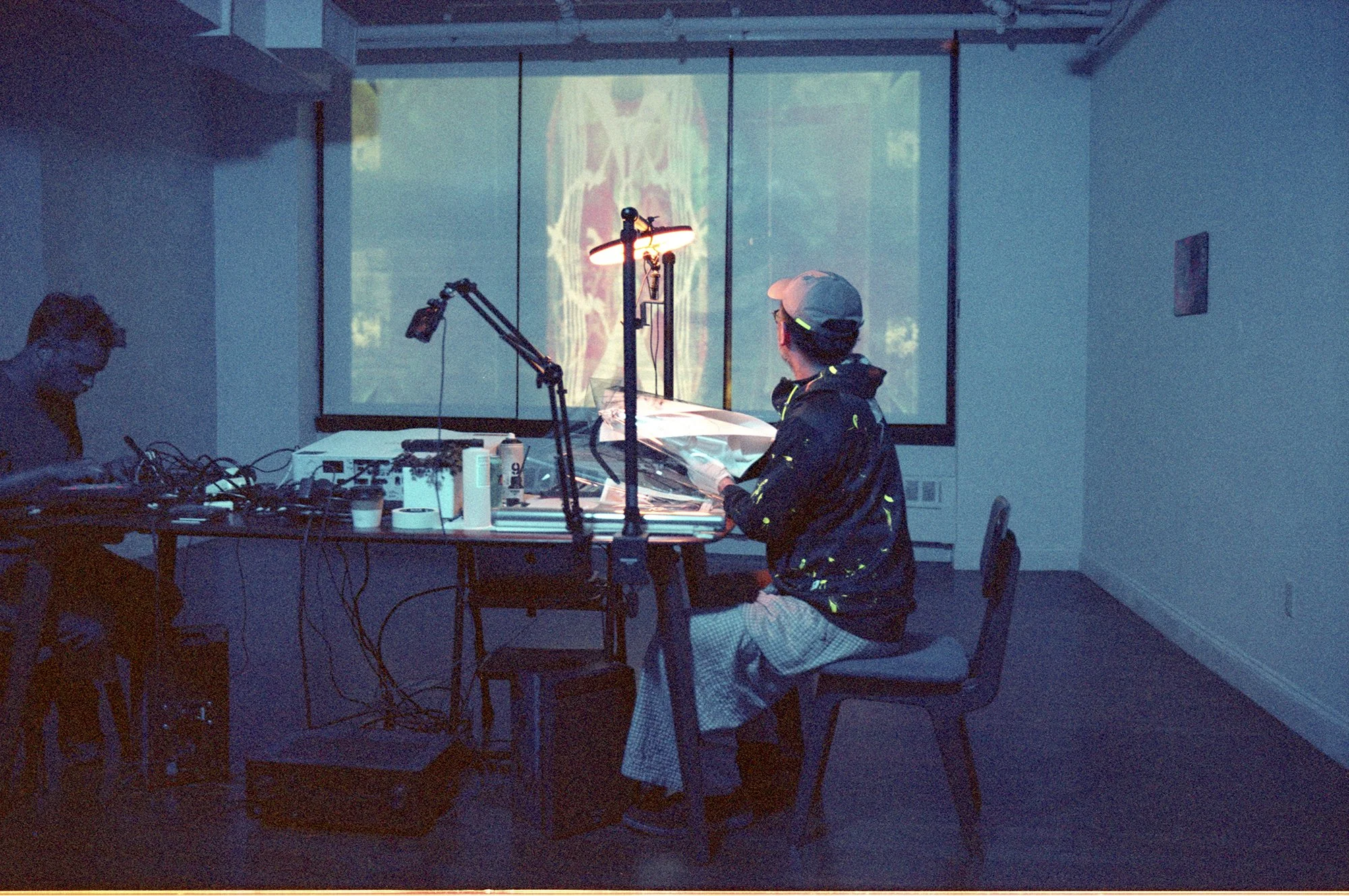
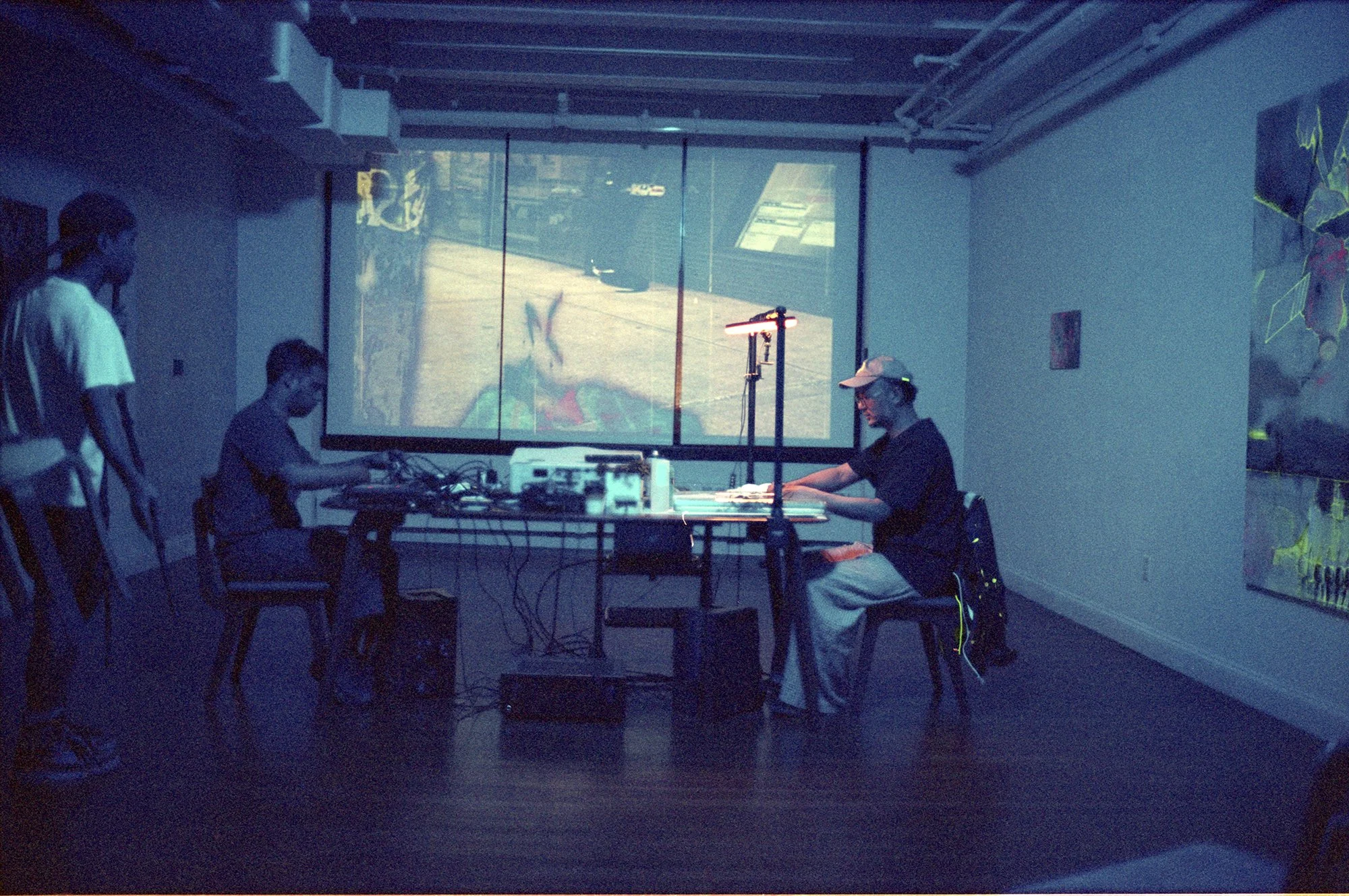
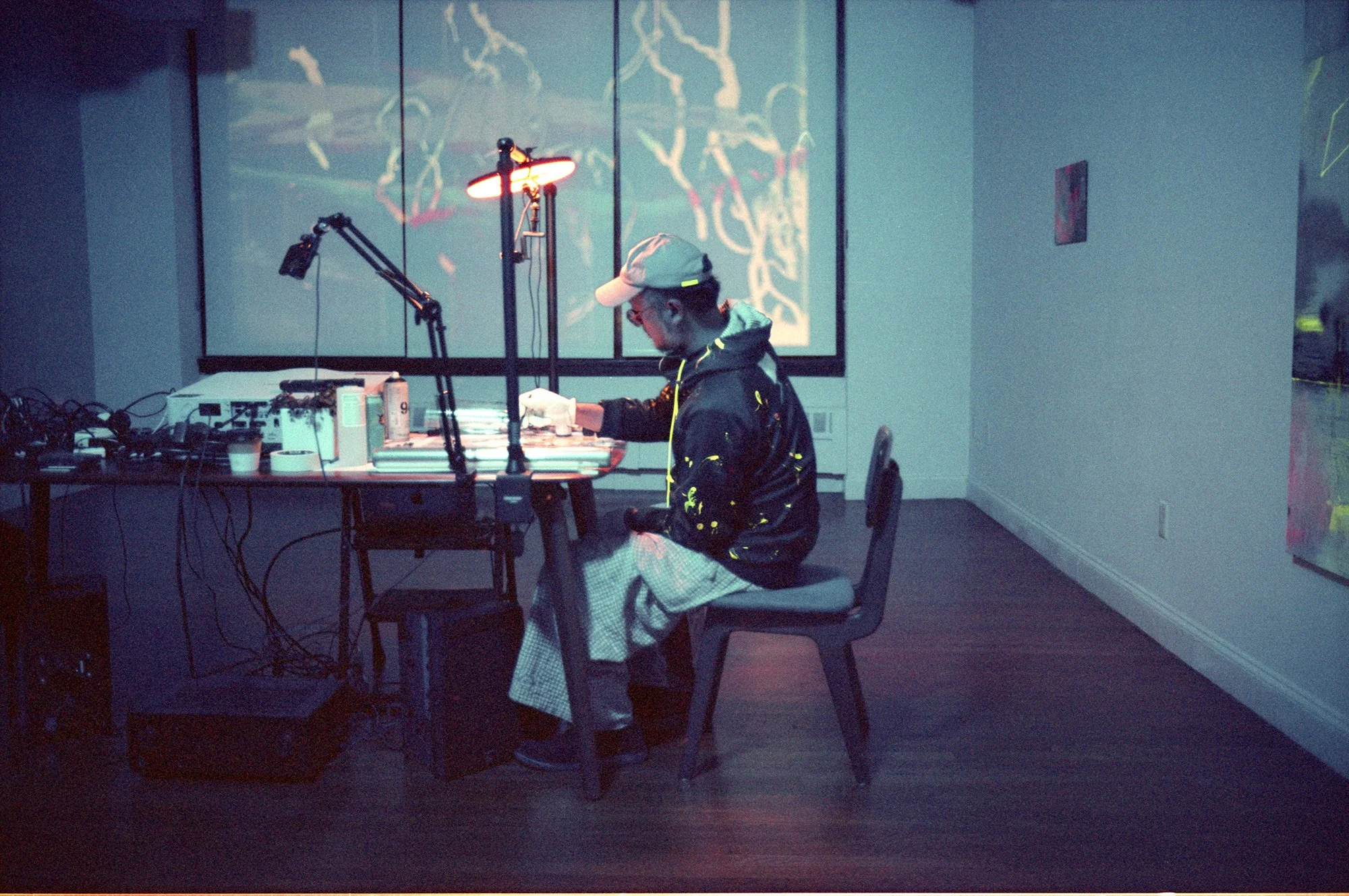
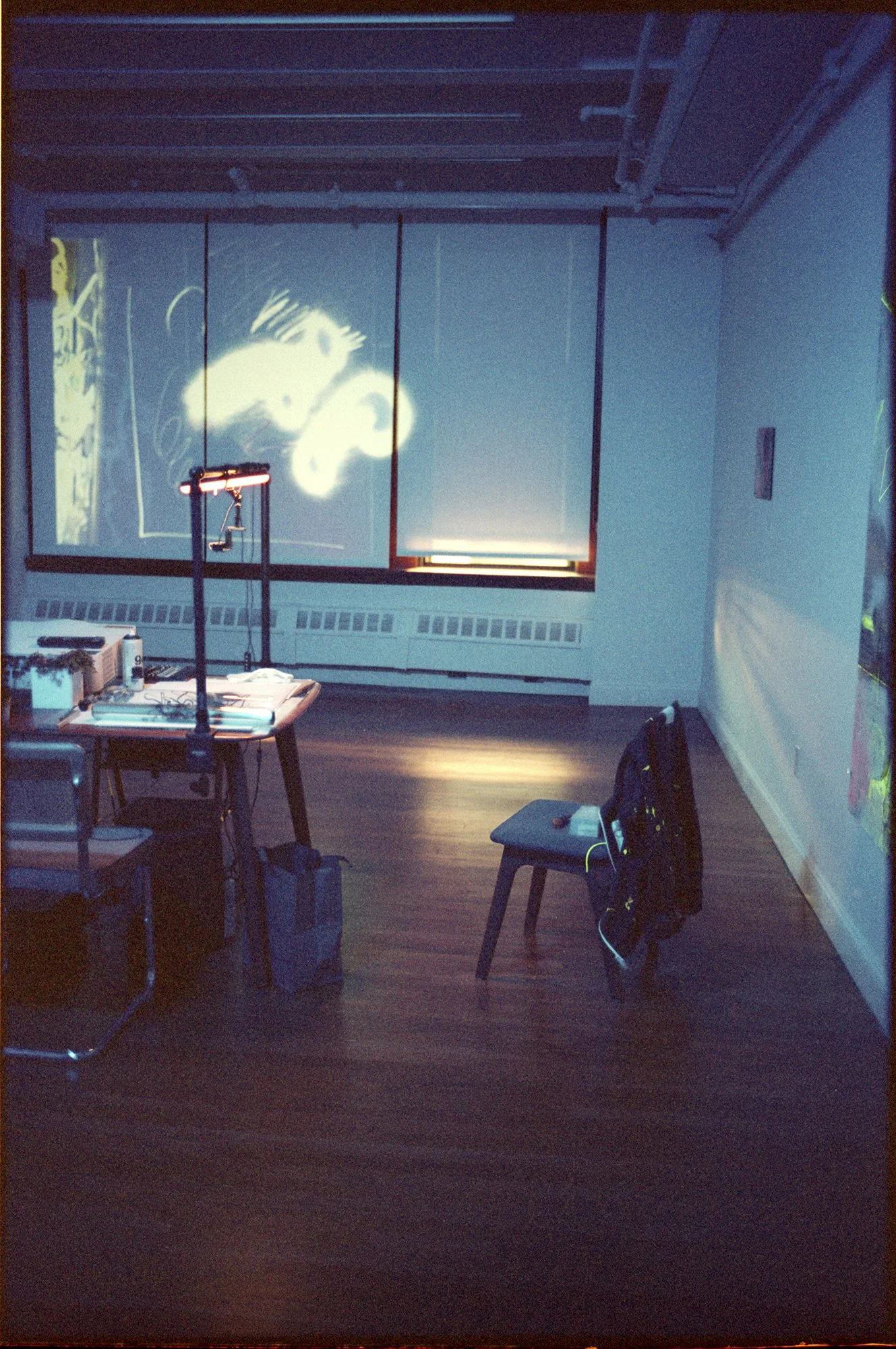
Back in early June, my friend Kosuke Kawahara’s drawing performance (with Stewart Bird’s music) at a gallery in Chinatown.
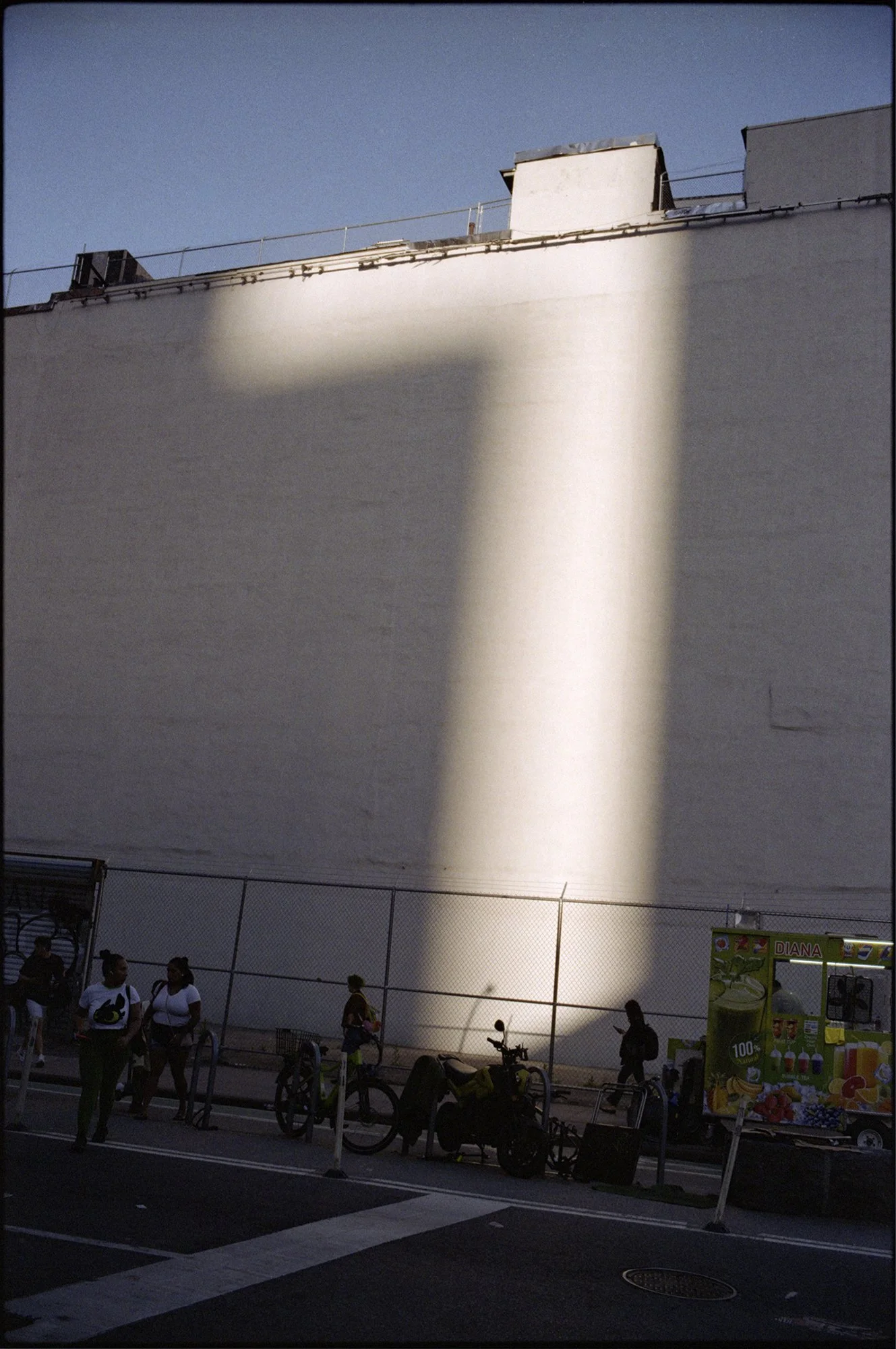
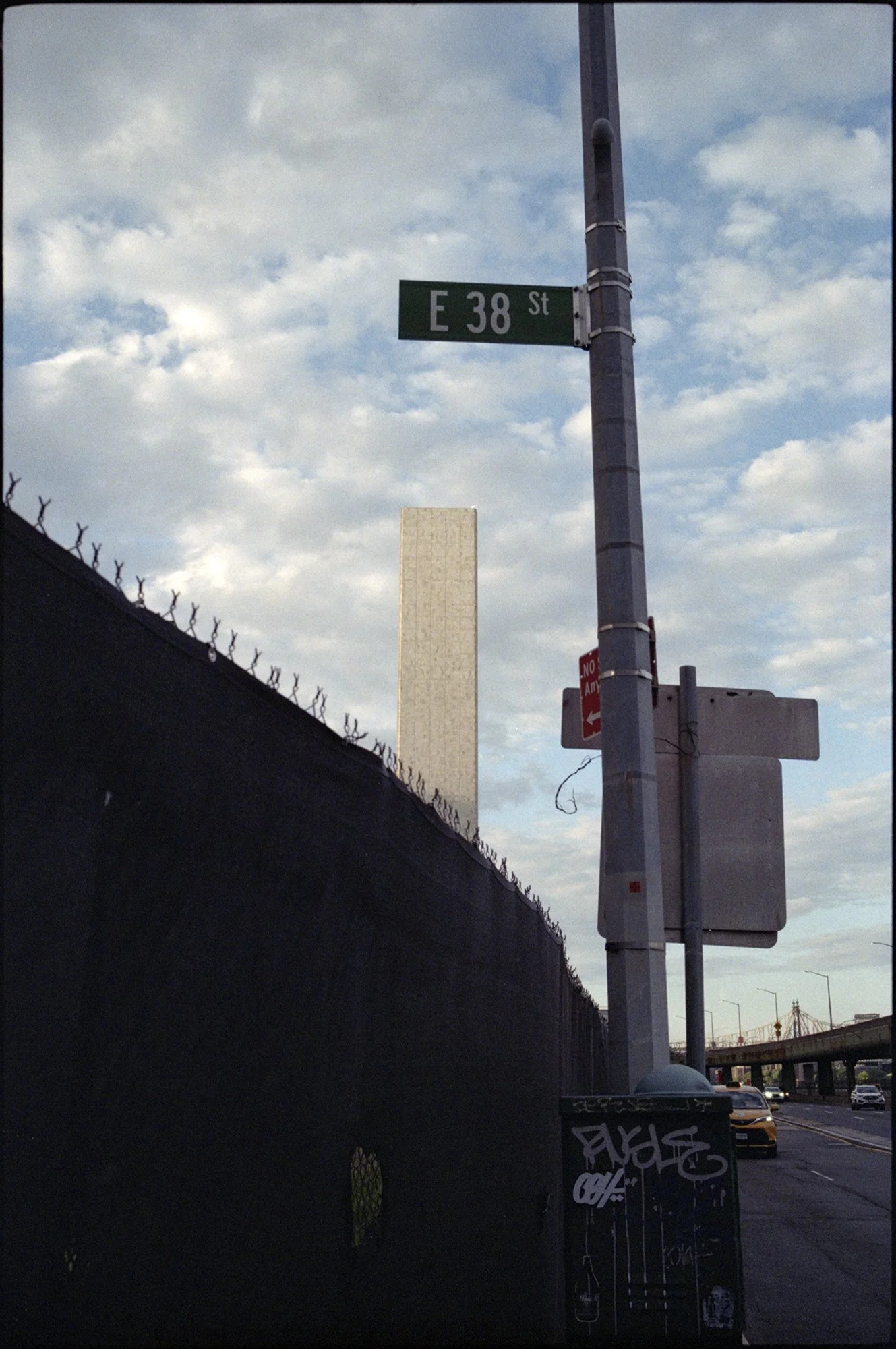
Last June, here in New York
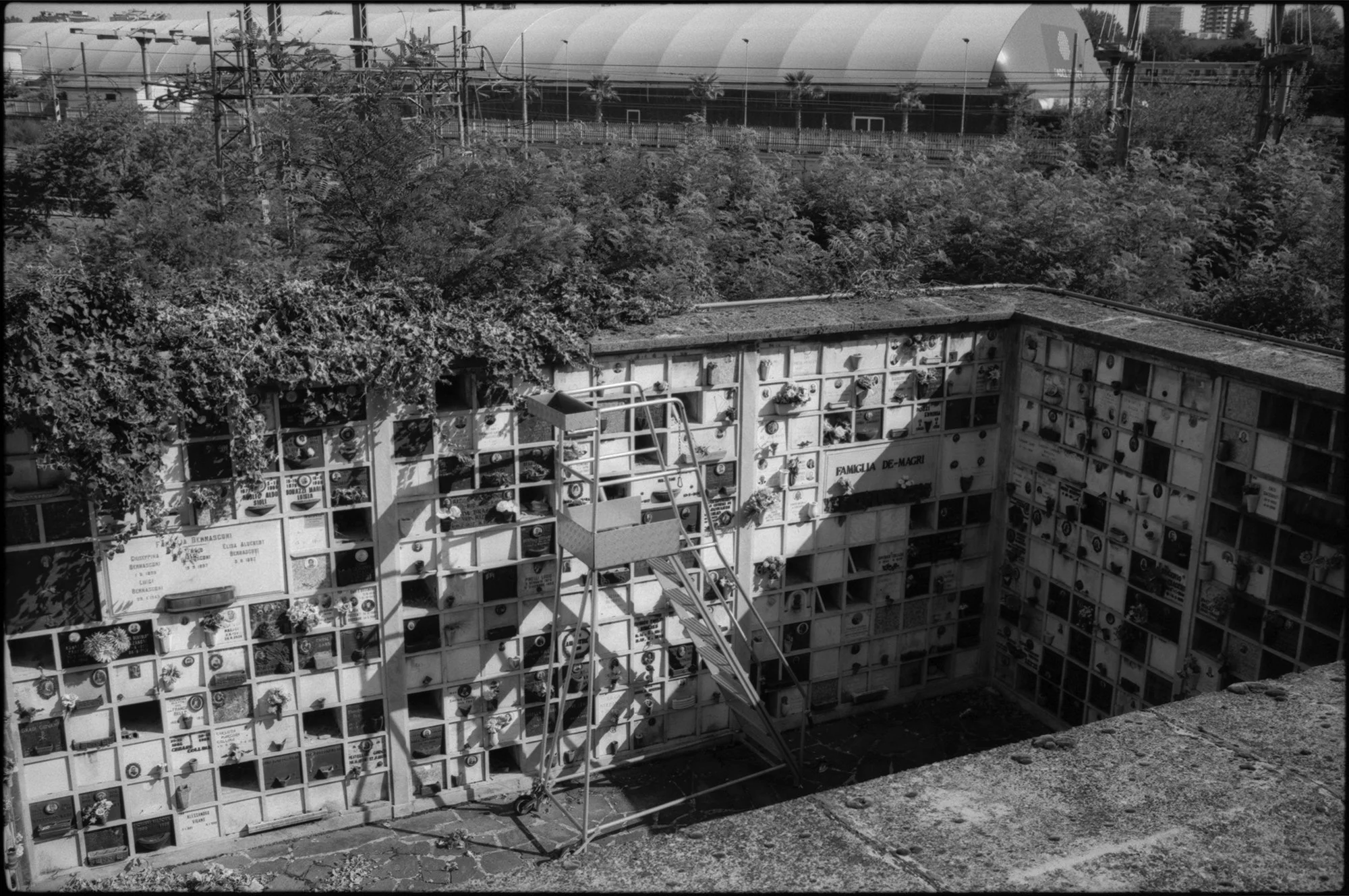
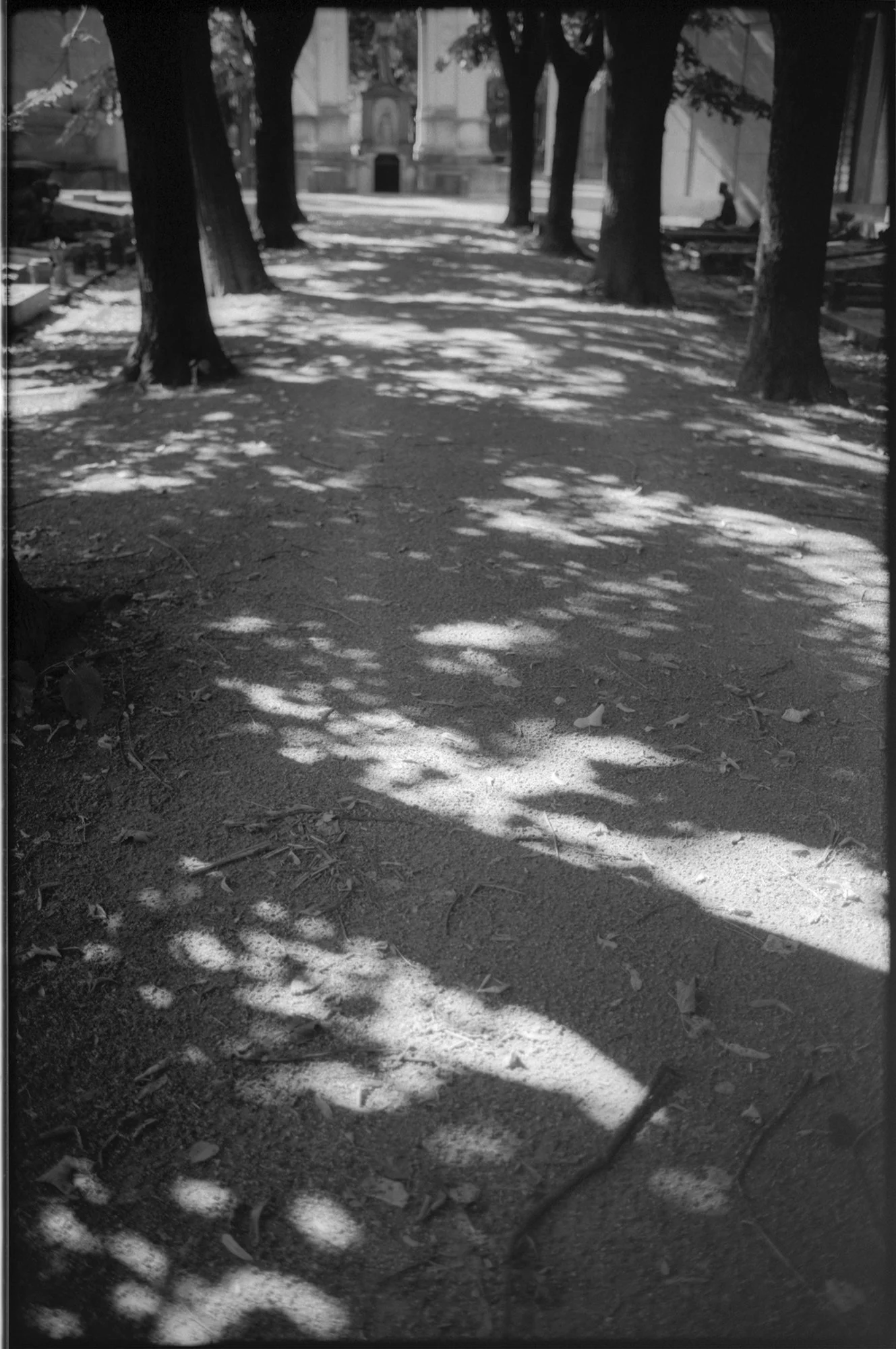
On the morning of the last day in Italy, the heat once again cast everything in a haze. Visiting Cimitero Monumentale di Milano felt, in a way, familiar, because for several years I lived just north of Green-Wood Cemetery in Brooklyn. The eccentric monuments in CMM were similarly interesting, but both more classical as well as more avant-garde than those in Brooklyn, and many seemed to be more actively used.
But there was a certain sadness—not grief—underneath the visuals. Within virtually all of the mausoleum corridors, approximately 40% or maybe even half of the niches had bright orange stickers on them warning that its contents were in arrears. Was the family of the deceased whose remains are at rest in that niche no longer paying their annual or monthly fees? And the cemetery administration will therefore soon “evict” the niche’s contents? Some of the remains had been there only an handful of years. The narratives I could invent to explain this were all sad.
I used to think the idea of my remains being buried in a cemetery and, presumably, staying there forever, was itself sad. Or was the idea of my remains laying there forever just boring? In either case, it sounded undesirable. Wouldn’t it be better to be simply cremated and the ashes scattered somewhere nice; it would be over and done with: no decaying remains in the ground. But, while I was living near Green-Wood, this thought actually changed. It’s nice there, a pleasant walk among trees and pastoral hills, gently ornate monuments and quiet dignity. (During Covid, Green-Wood was, for a time, an almost daily walk for me, as it was convenient and virtually unvisited by others.) I began to think that I would prefer burial in a place like this. People, like myself, come here to have a stroll, maybe a cup of coffee, and get some fresh air. Yes, there’s some sadness to it, of course, but that’s part of its honest character, which I like.
But what if it isn’t “forever”? What if my remains were in arrears?
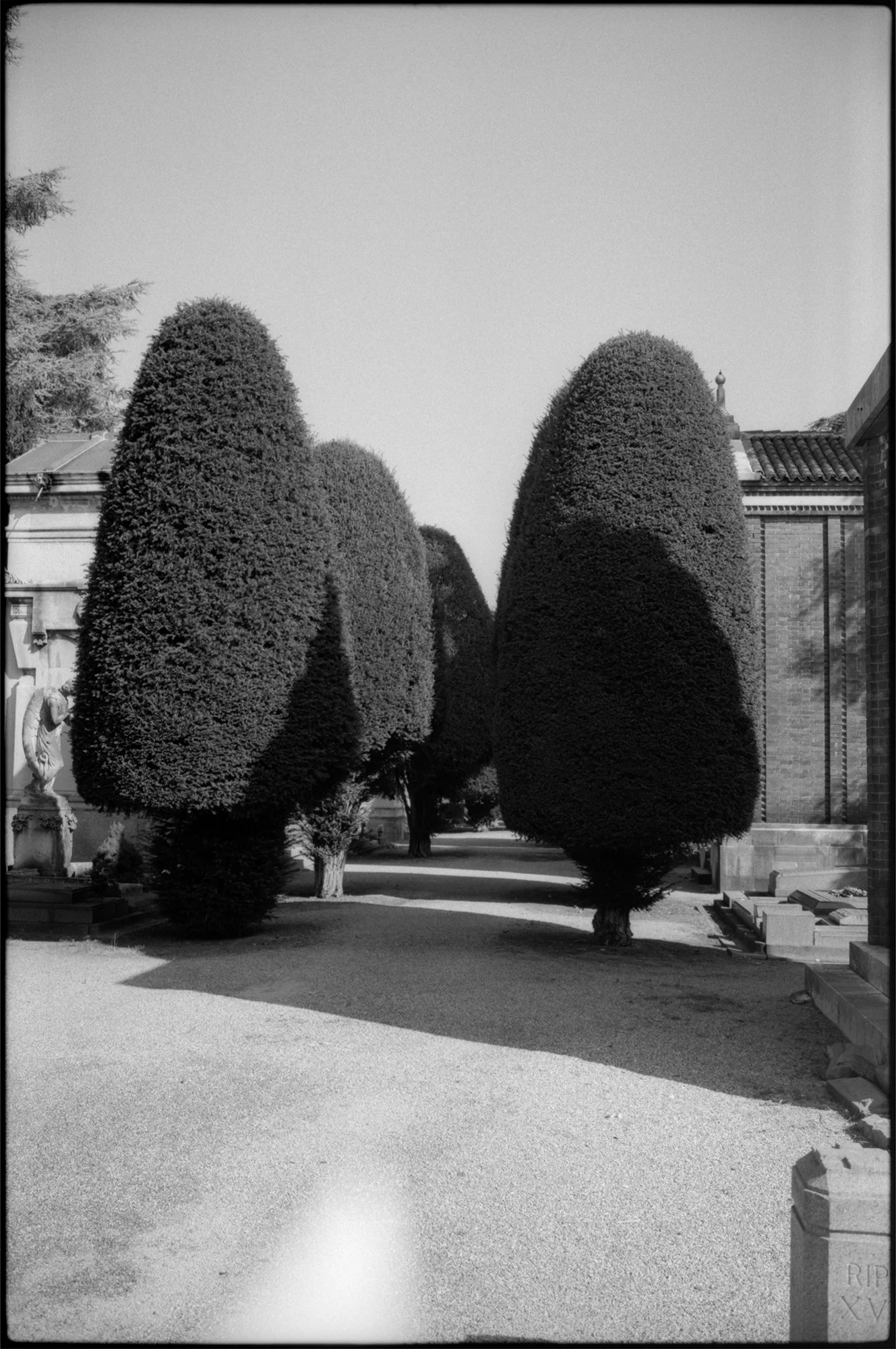
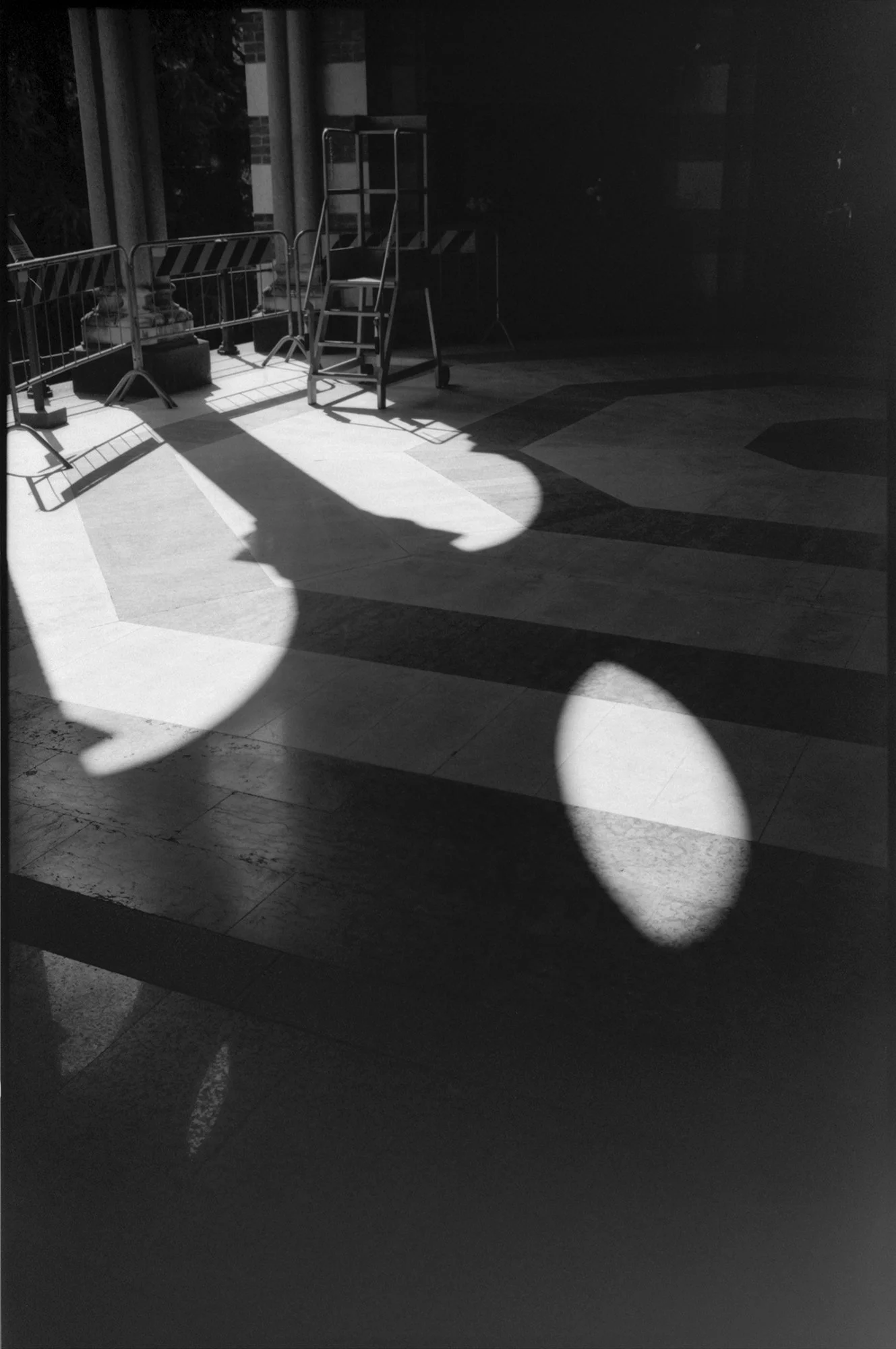
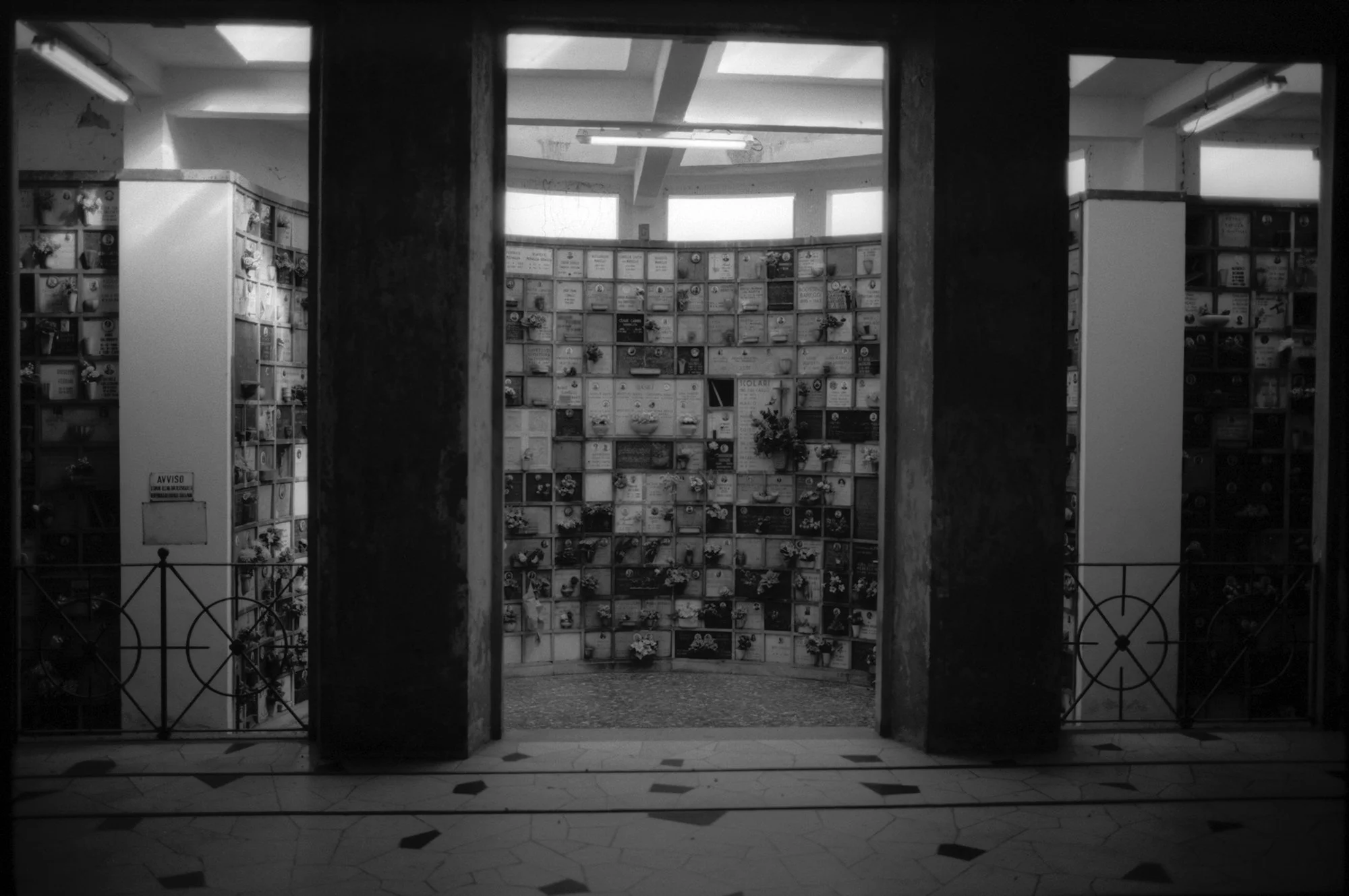
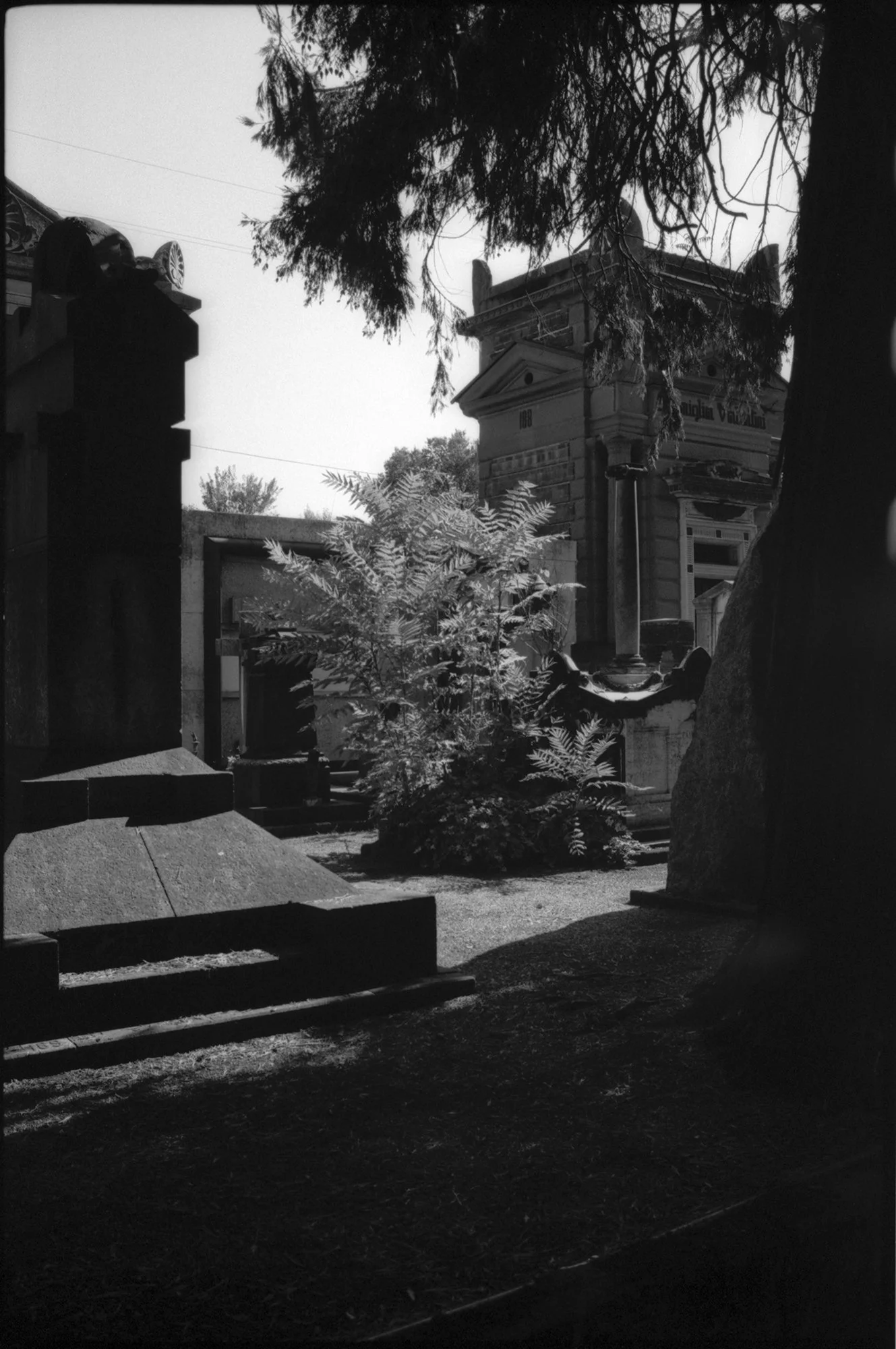
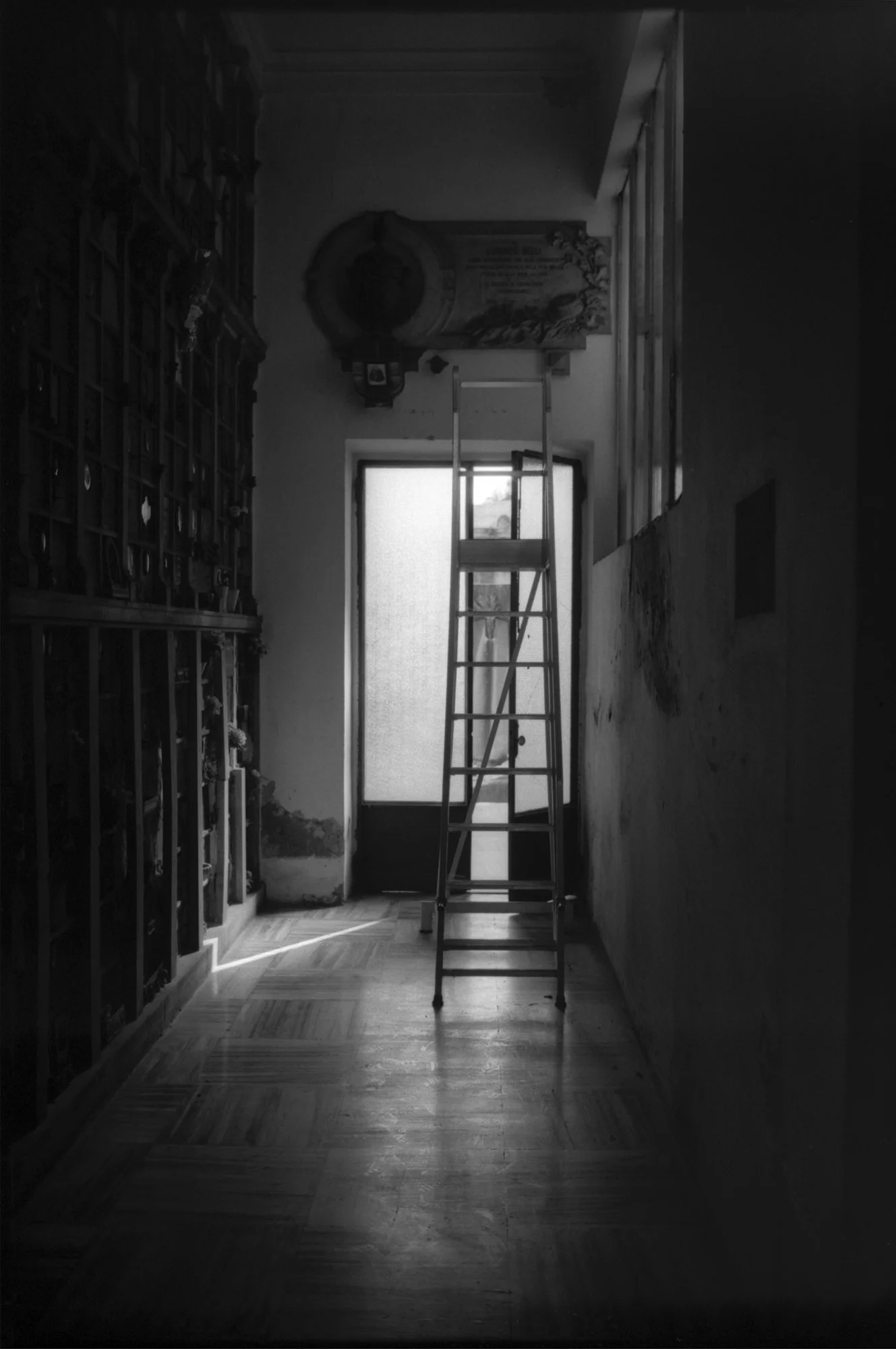
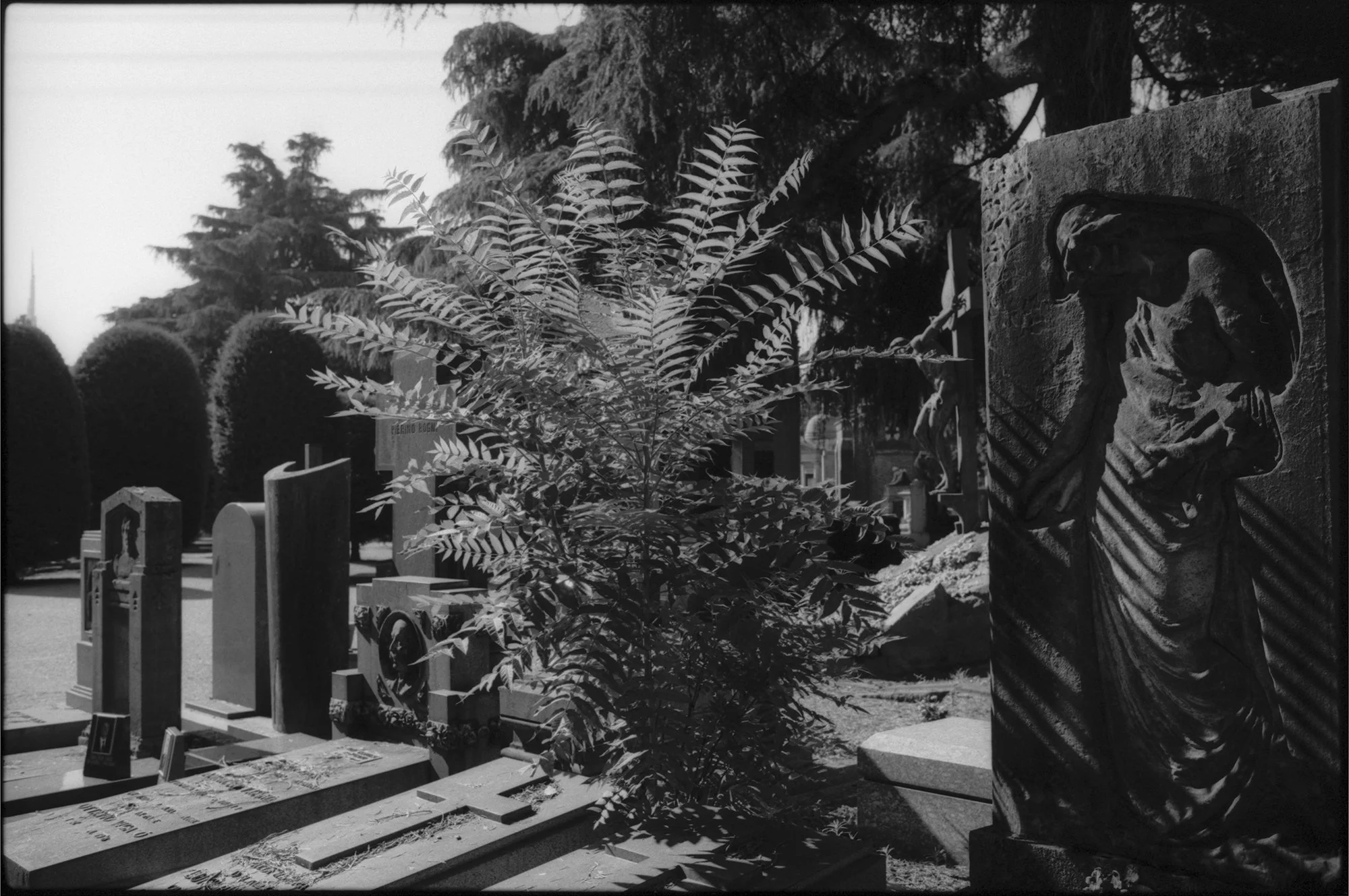
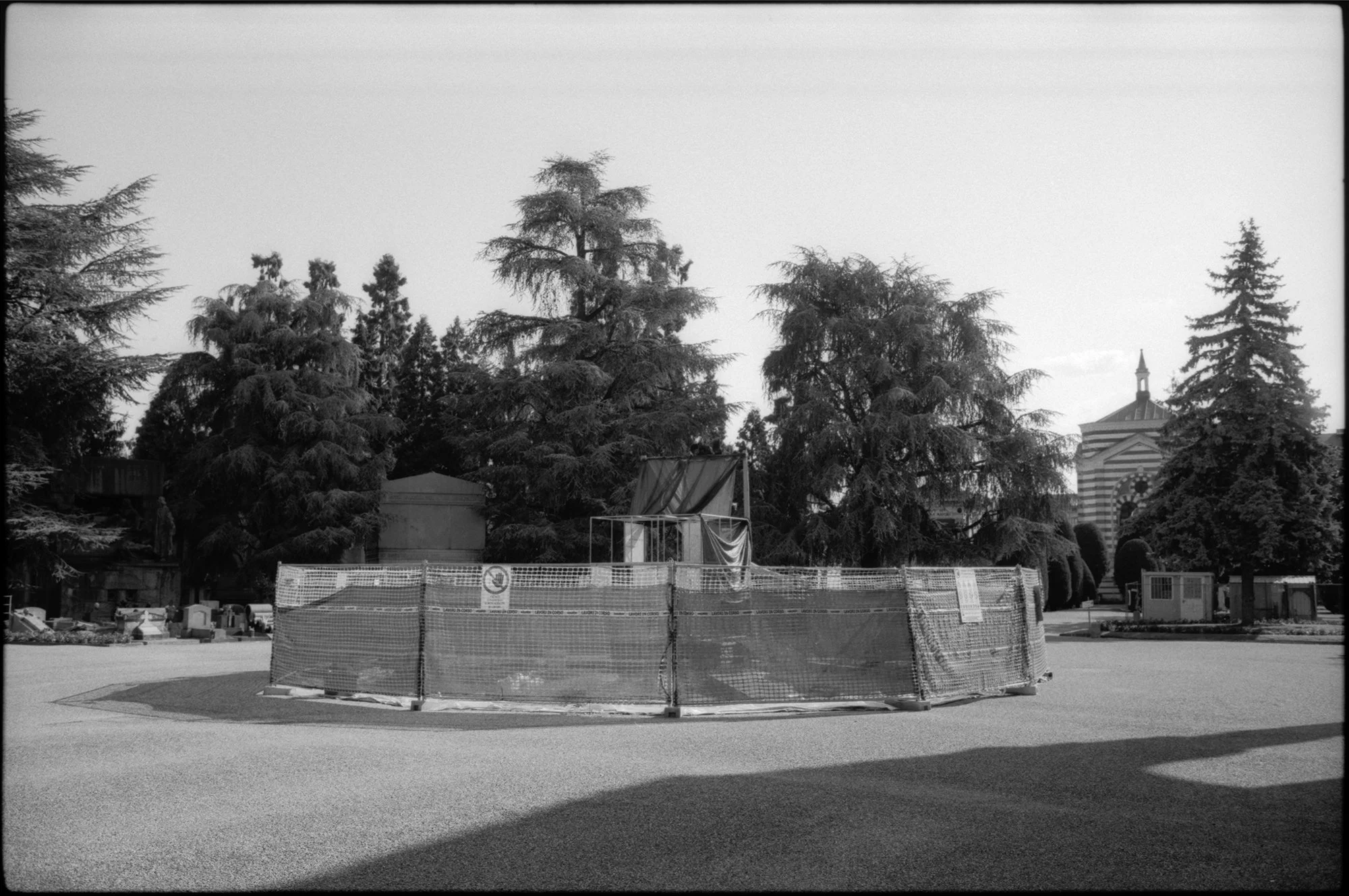
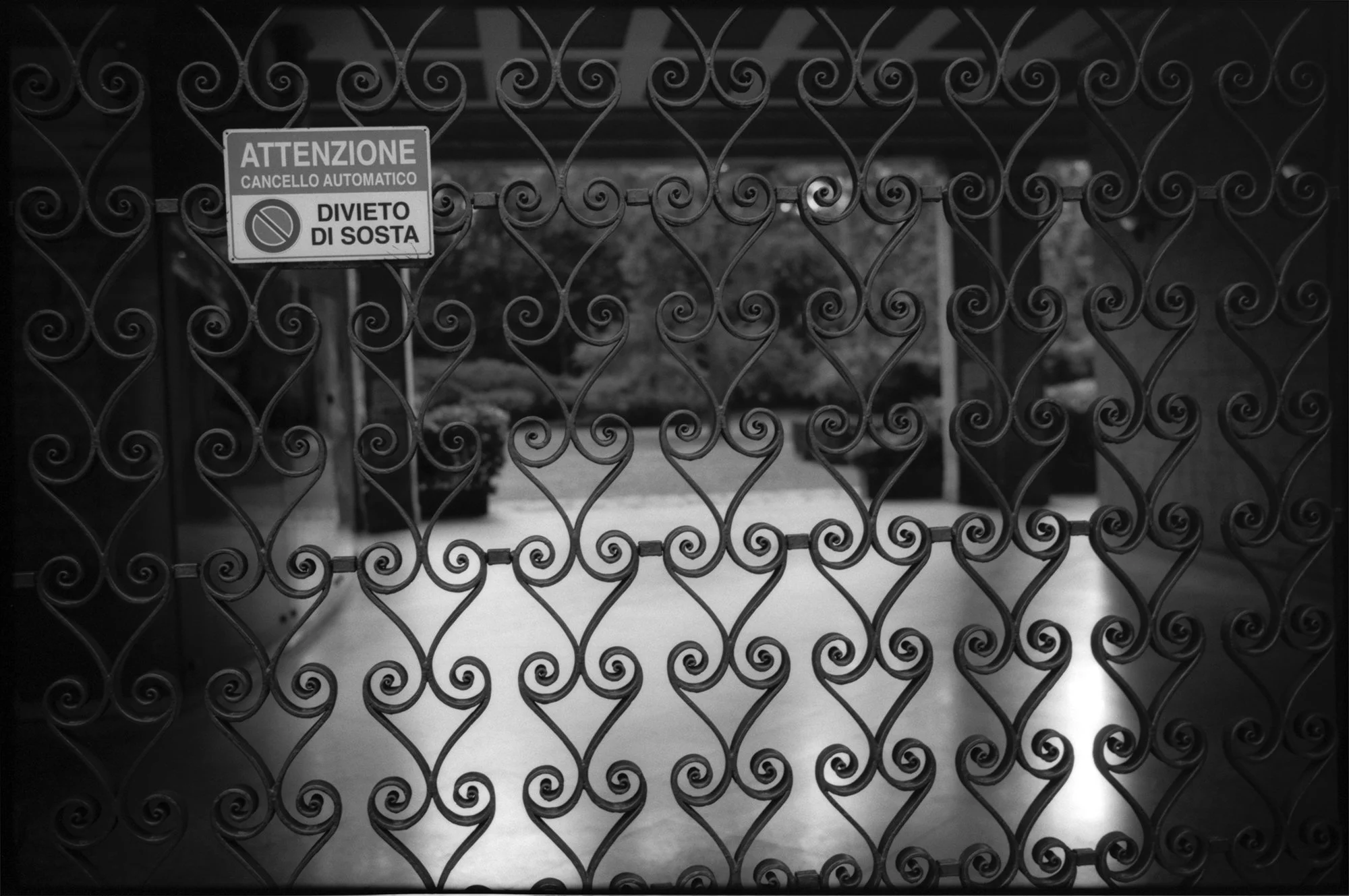
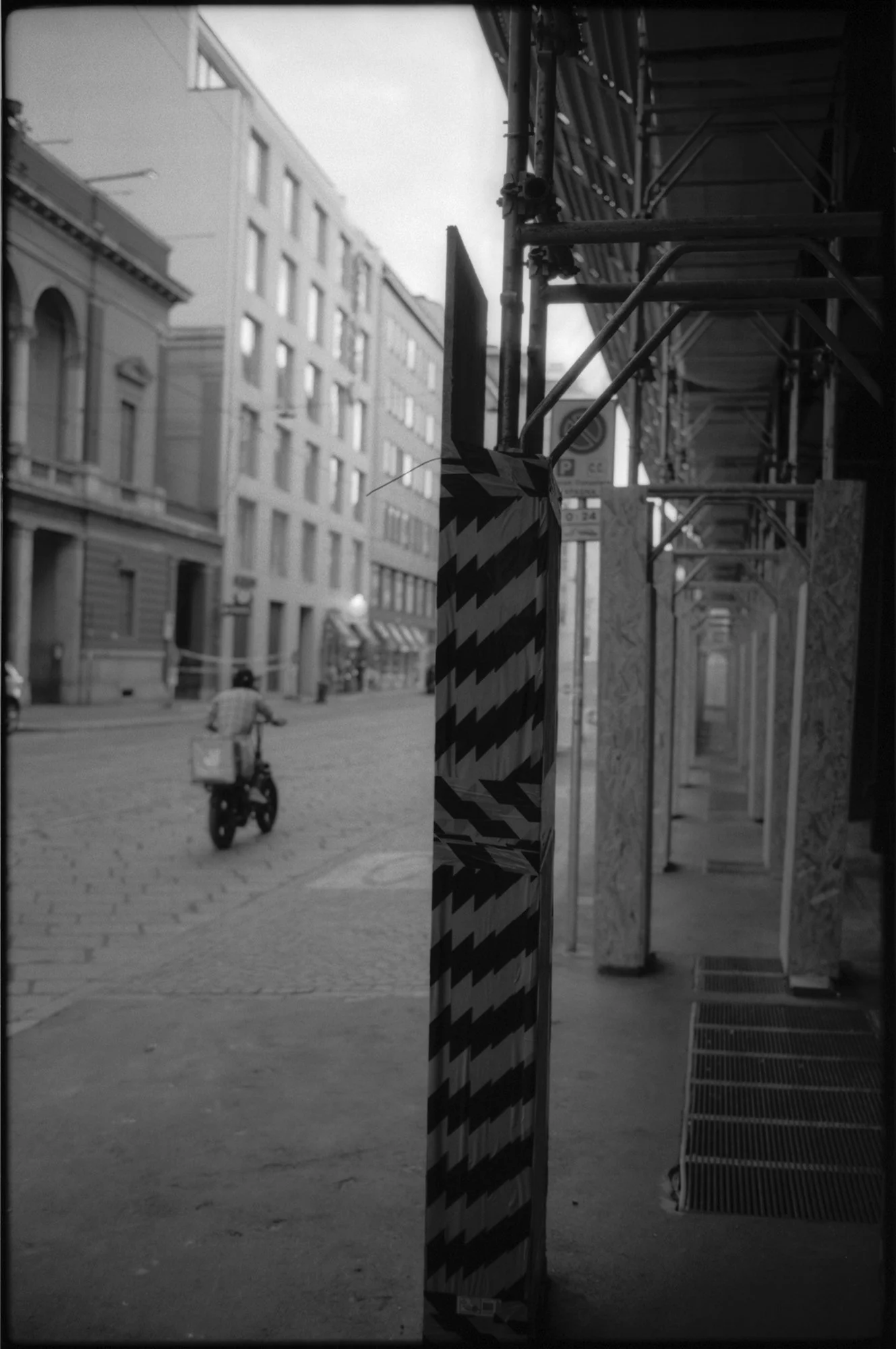
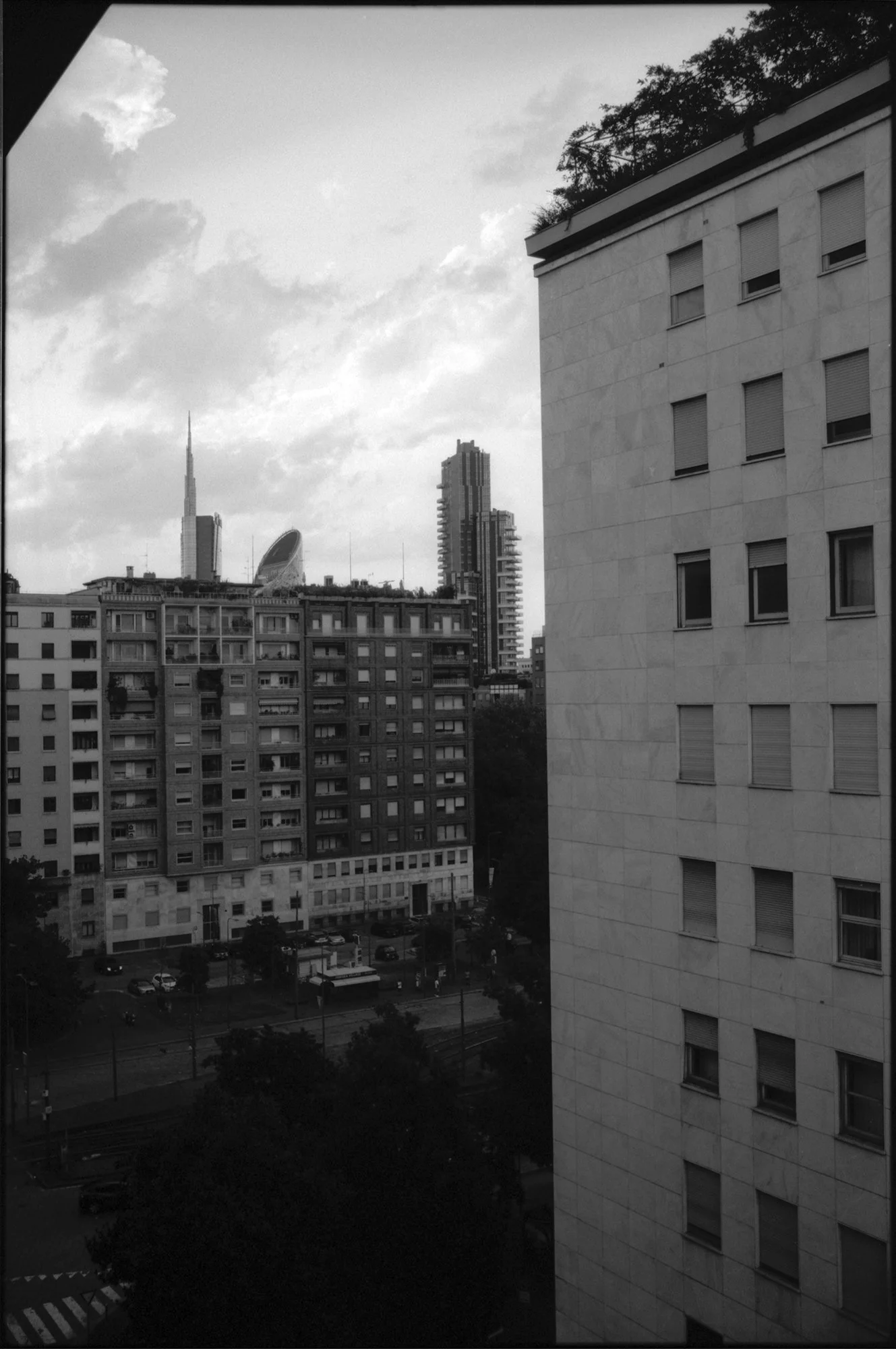
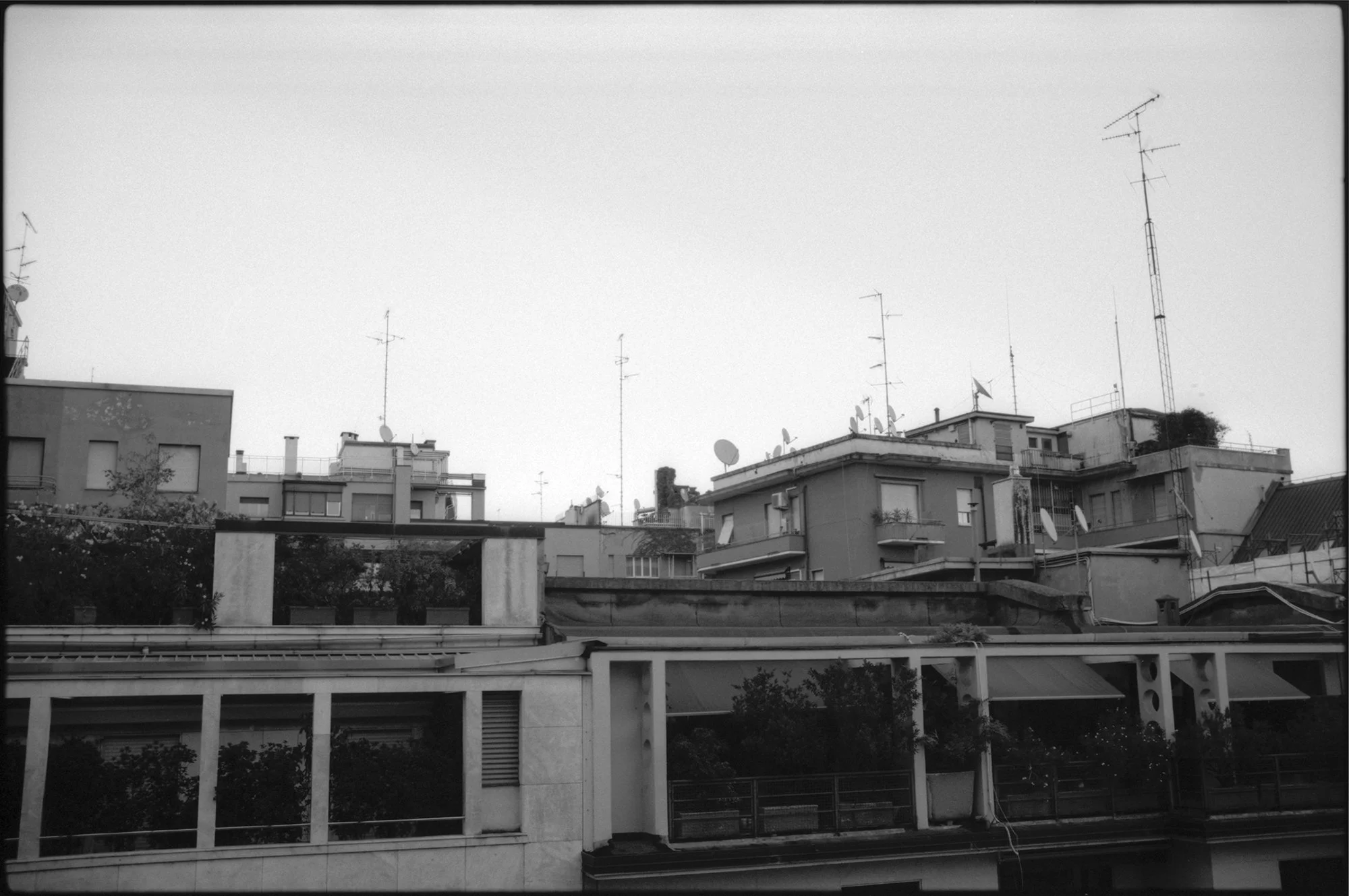
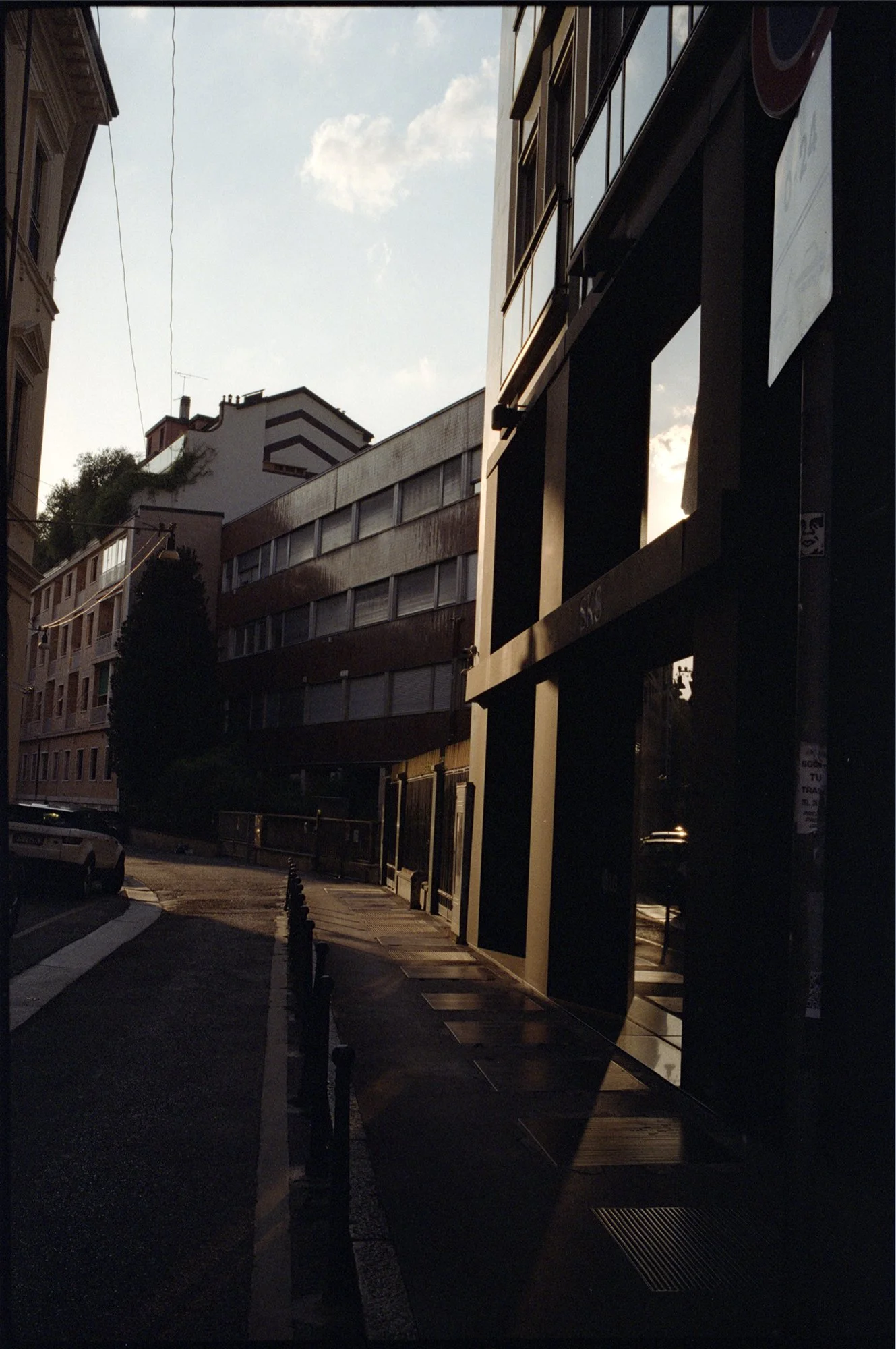
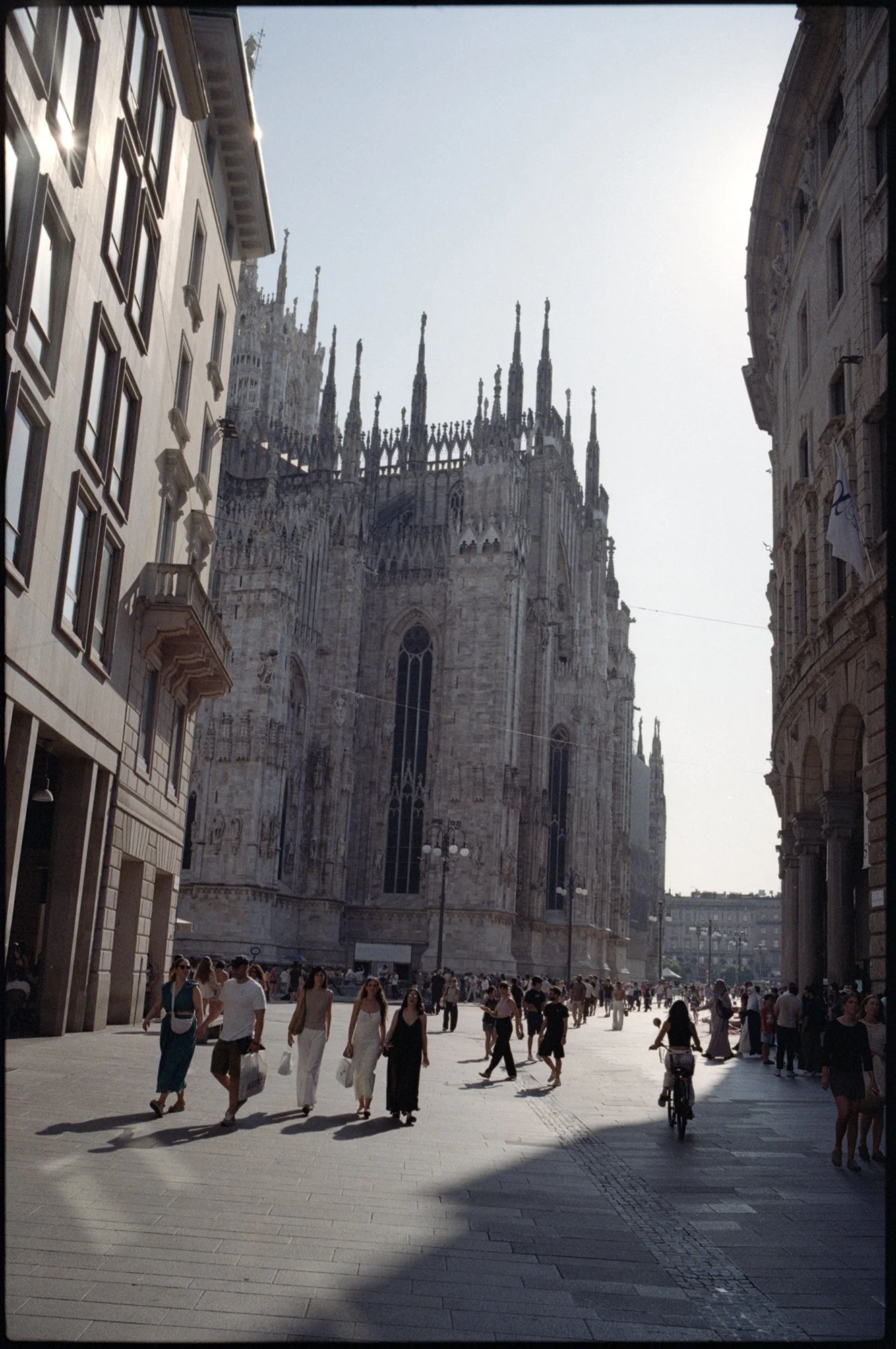
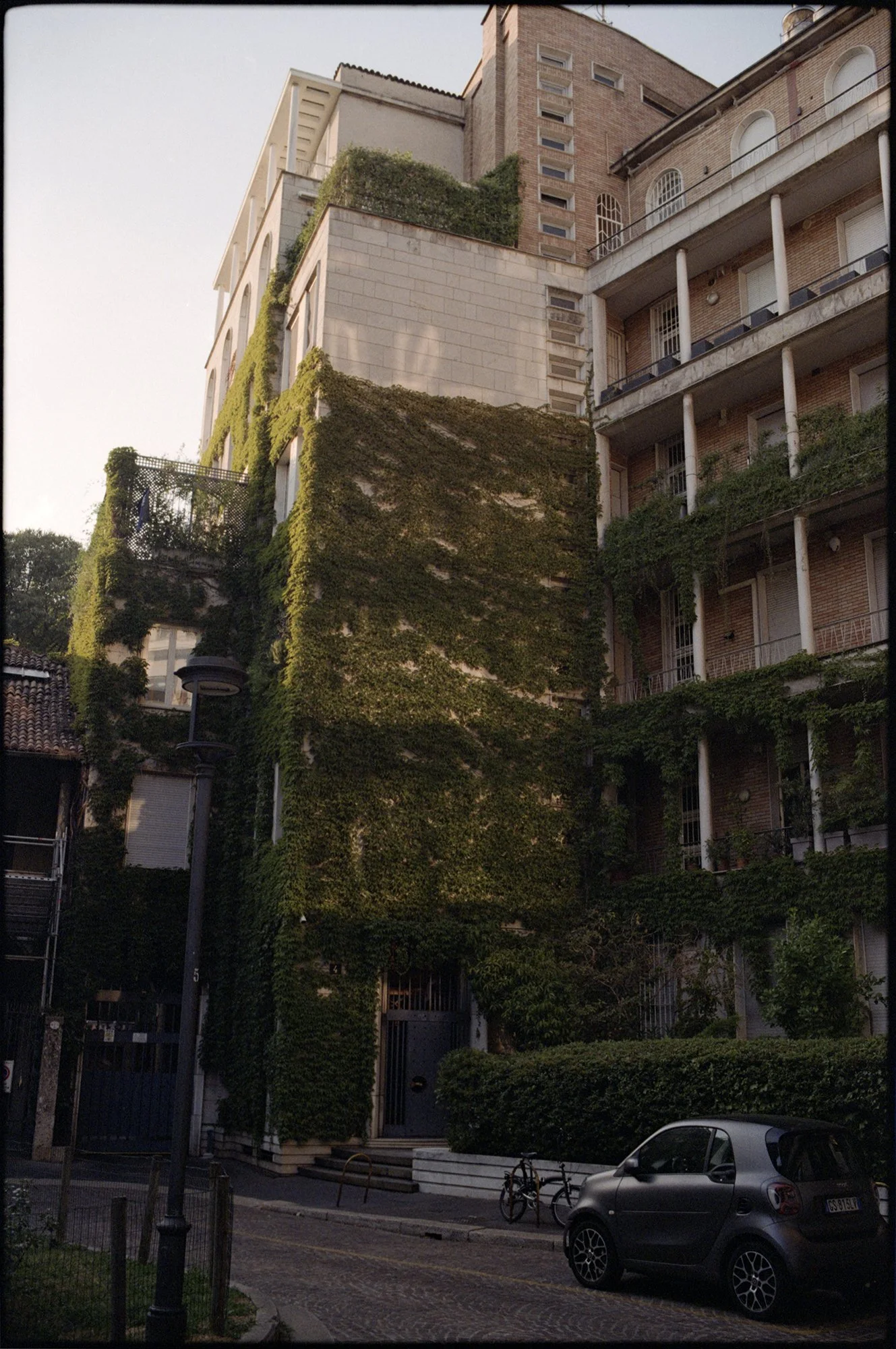
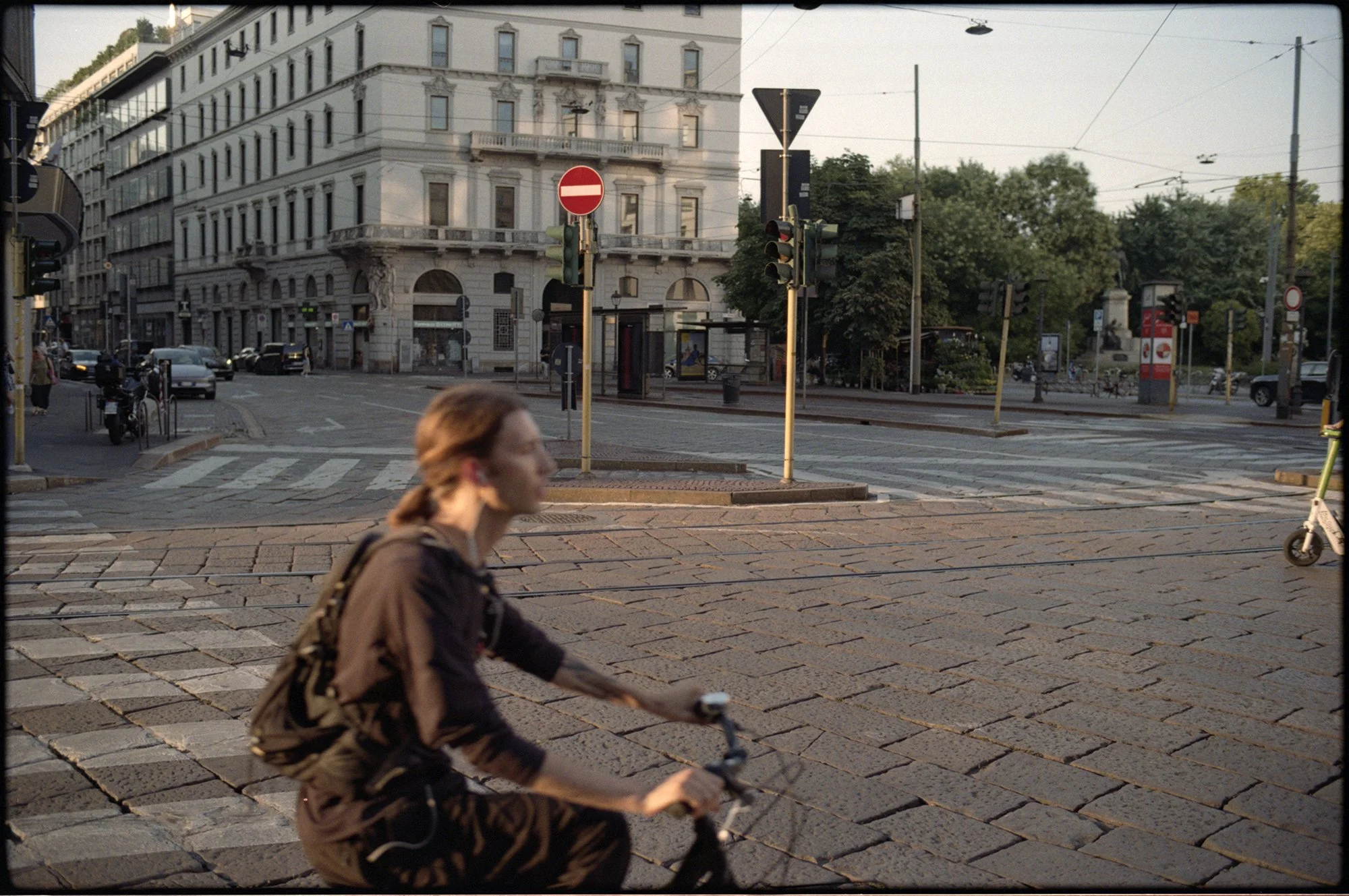
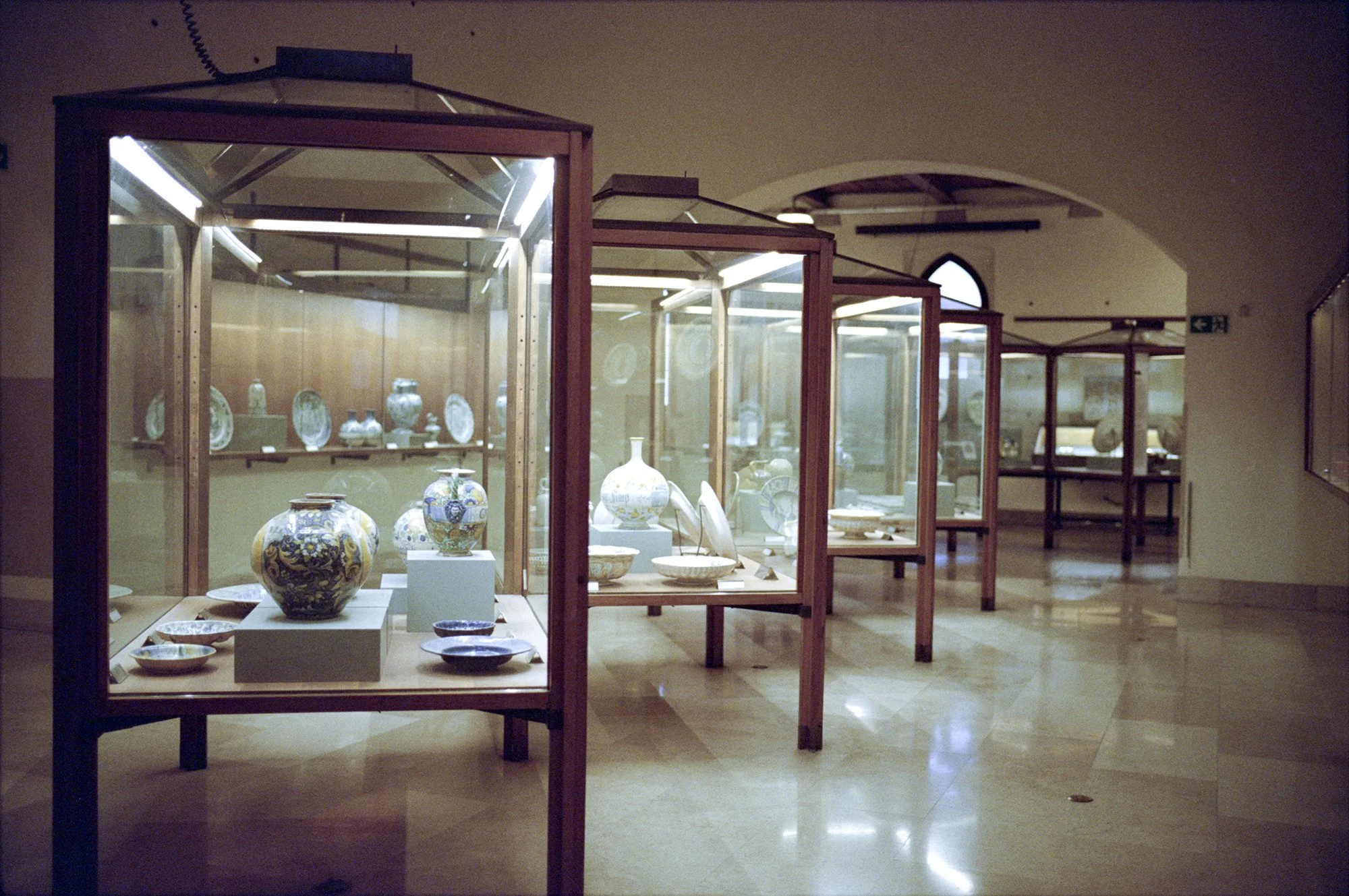
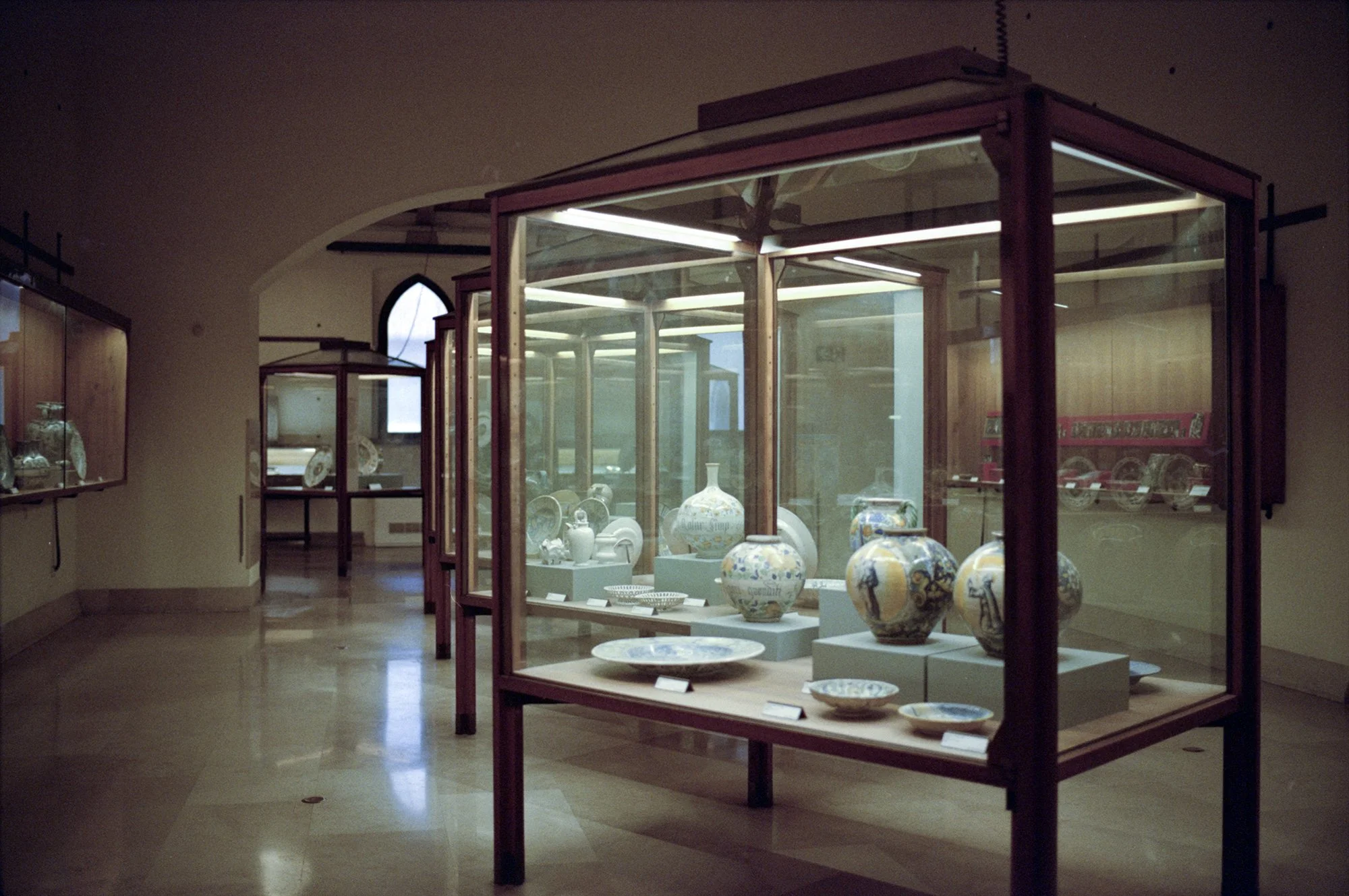
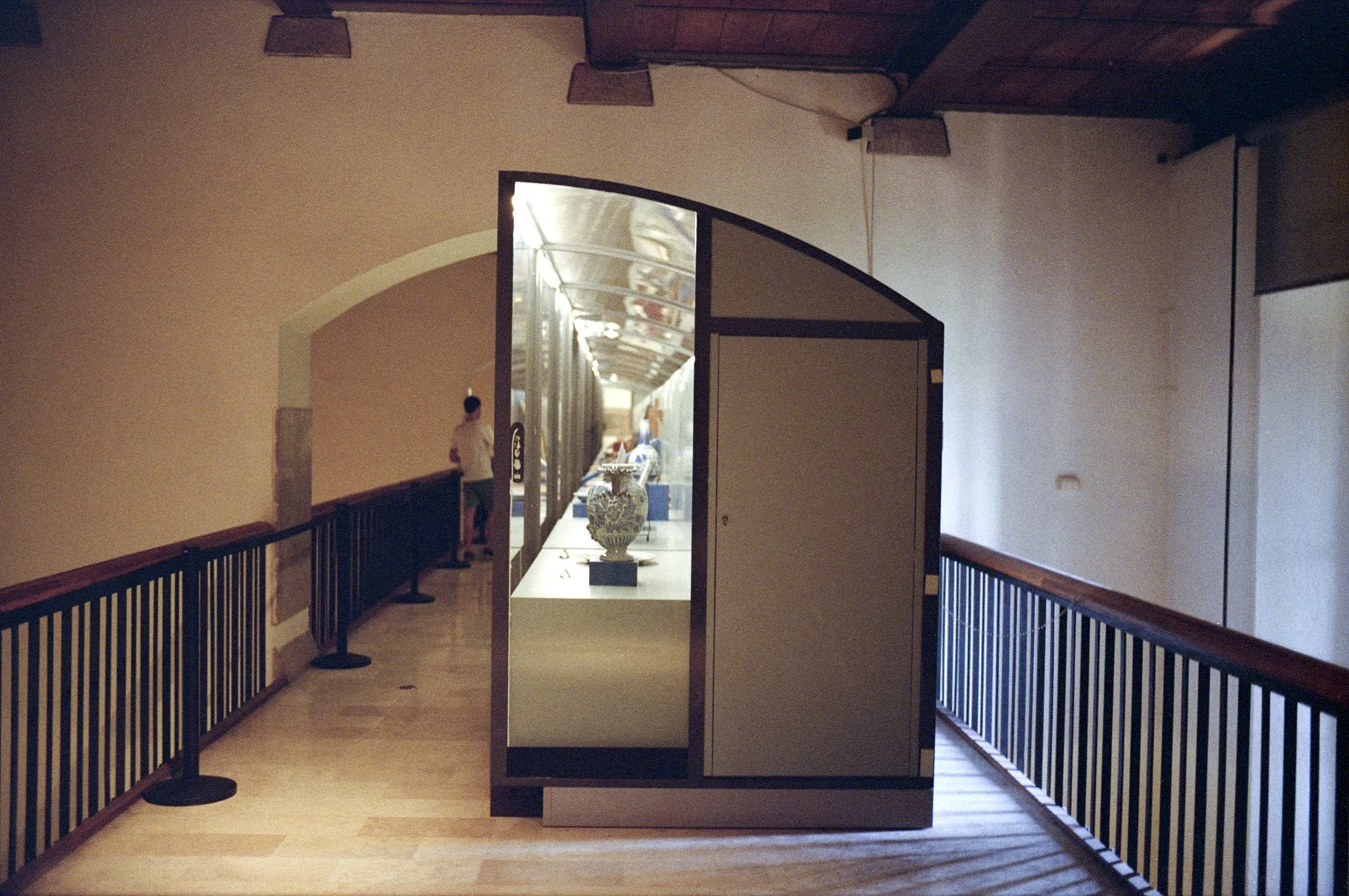
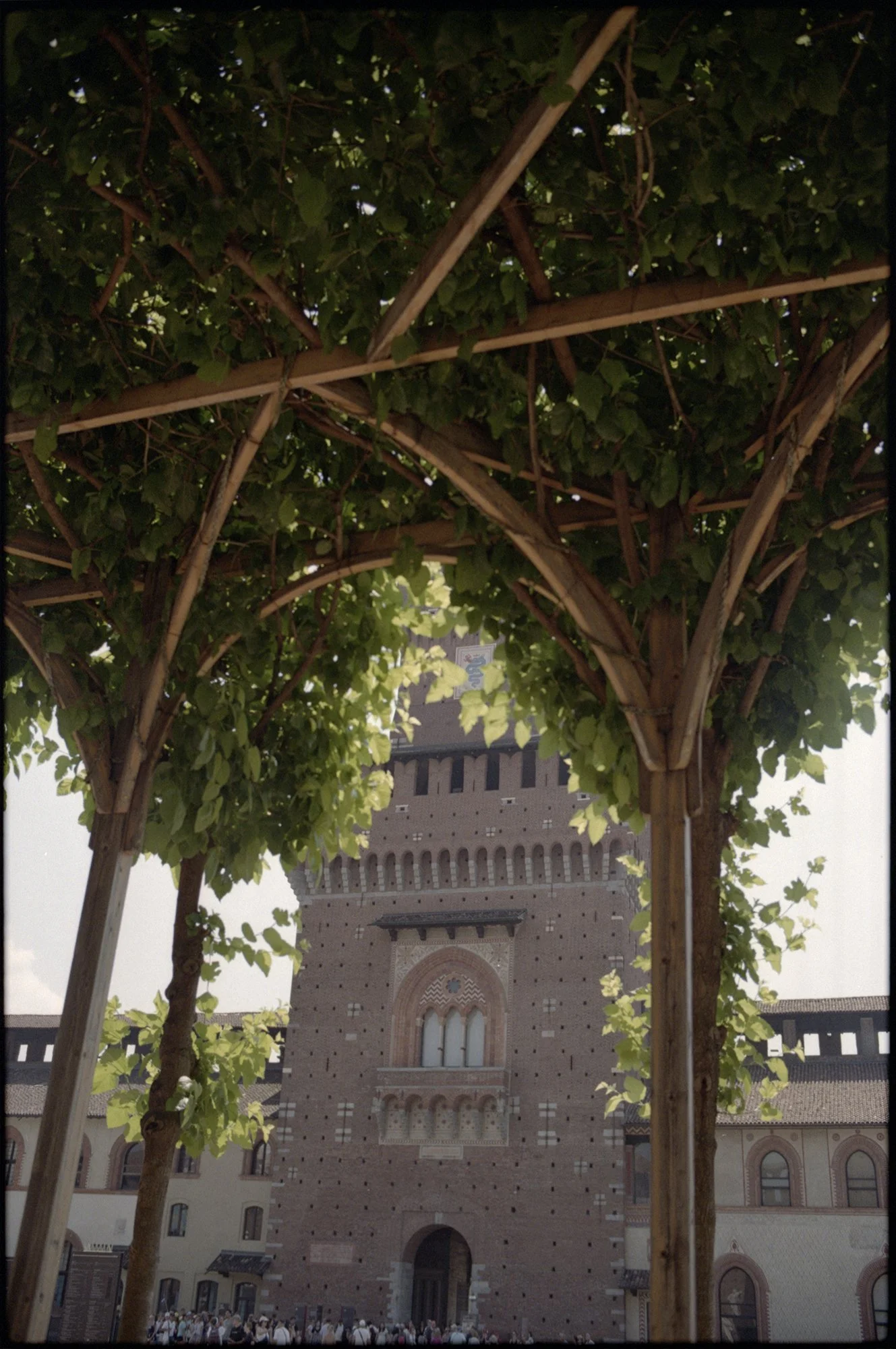
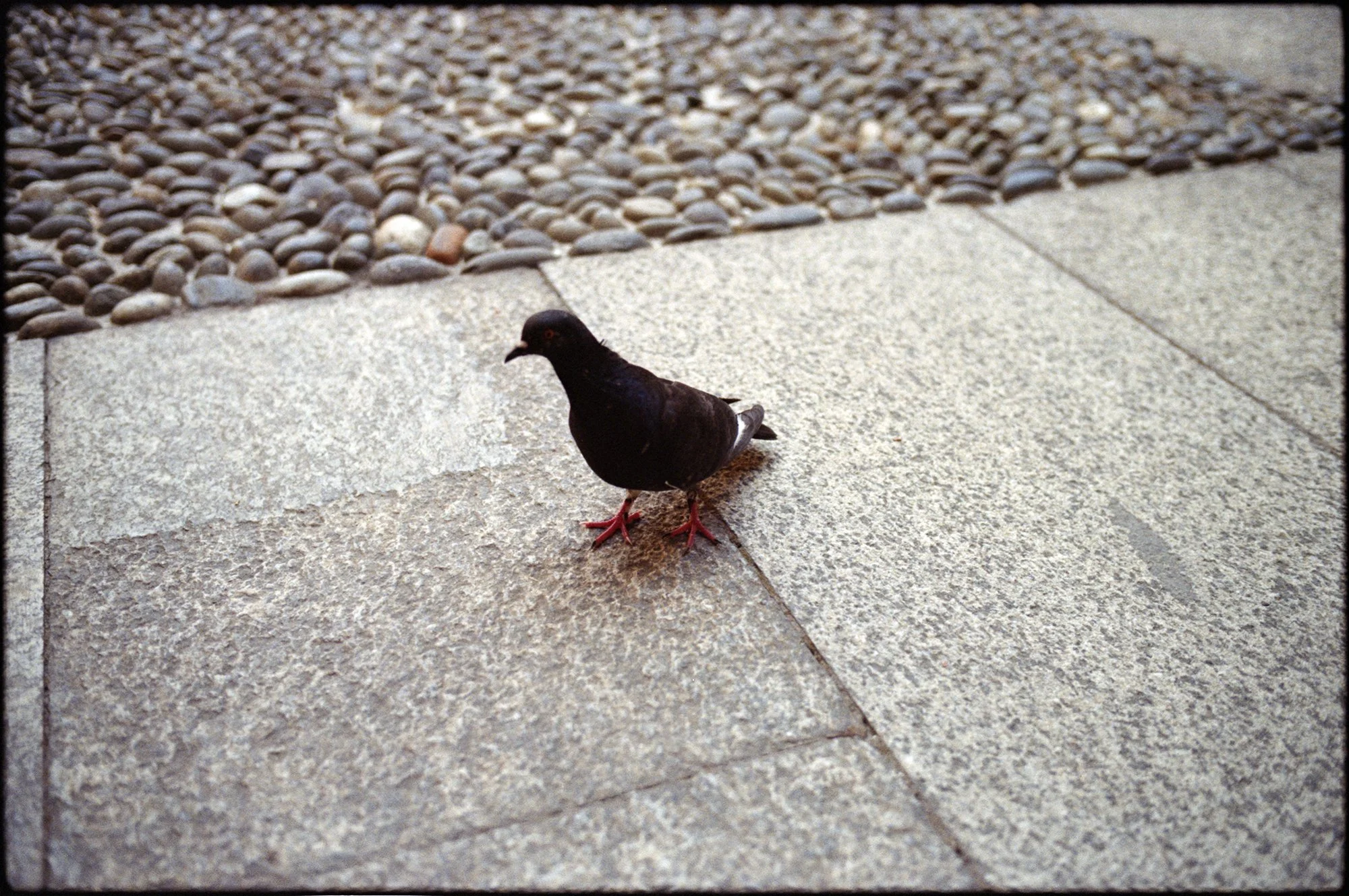
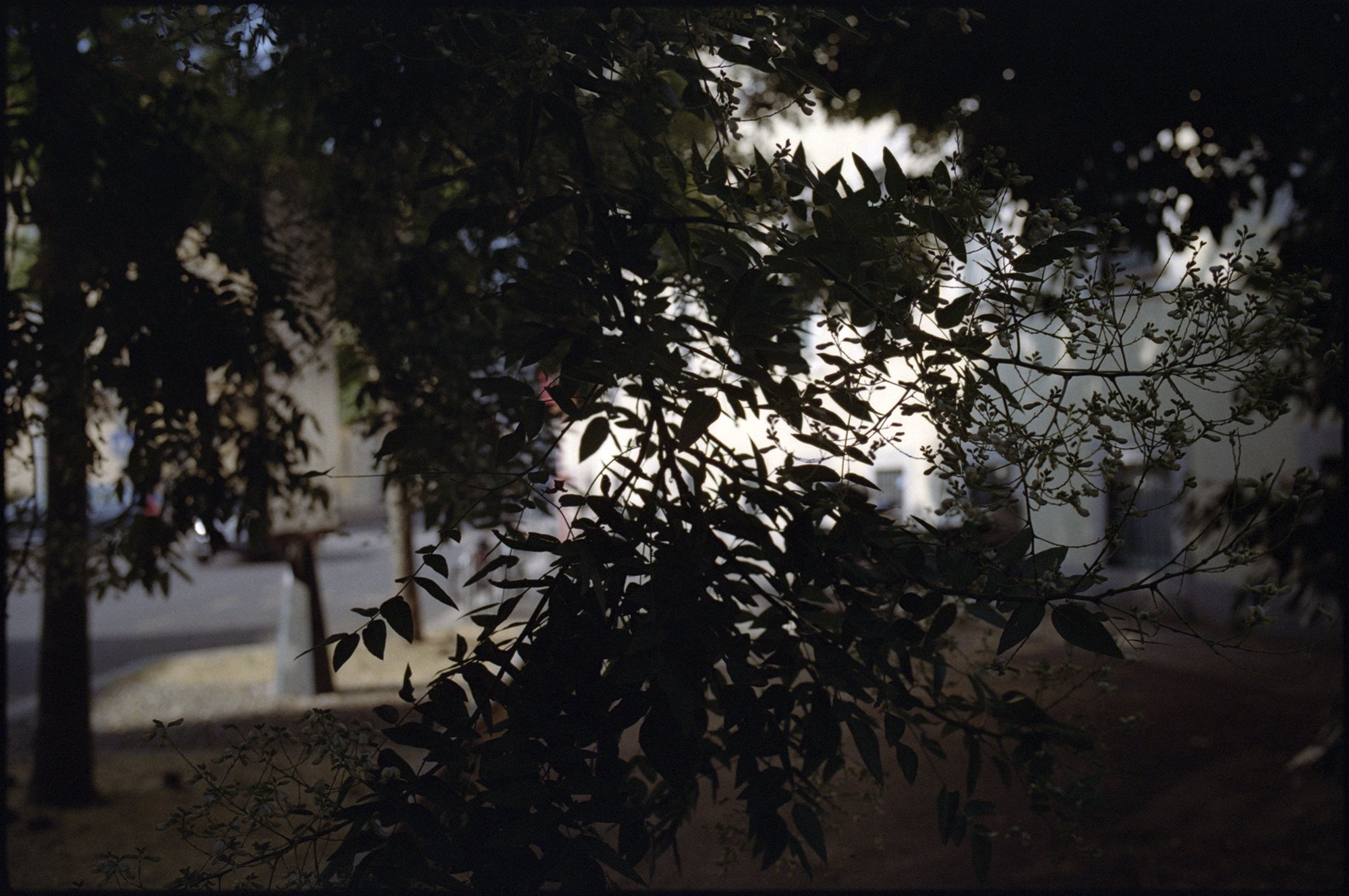
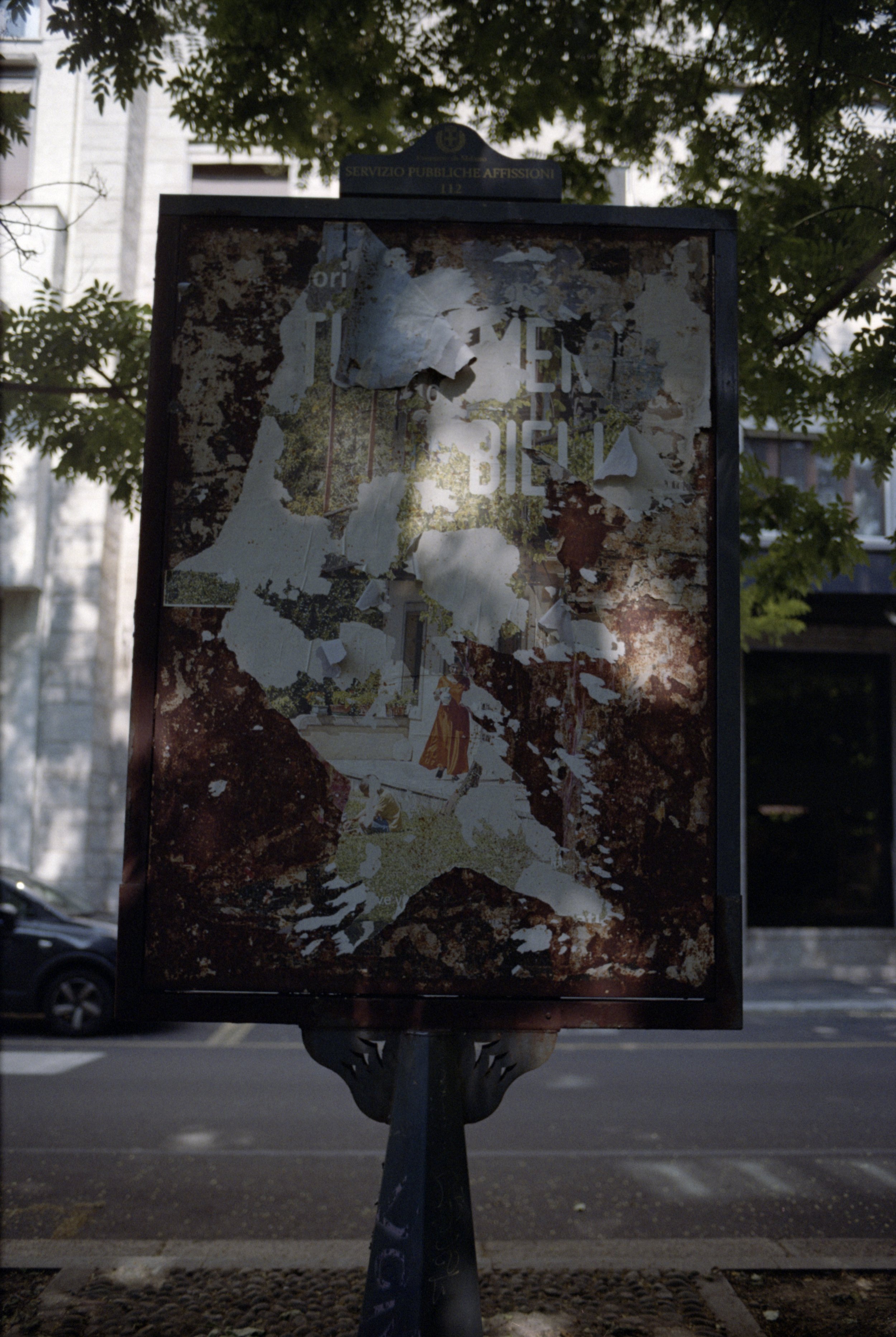
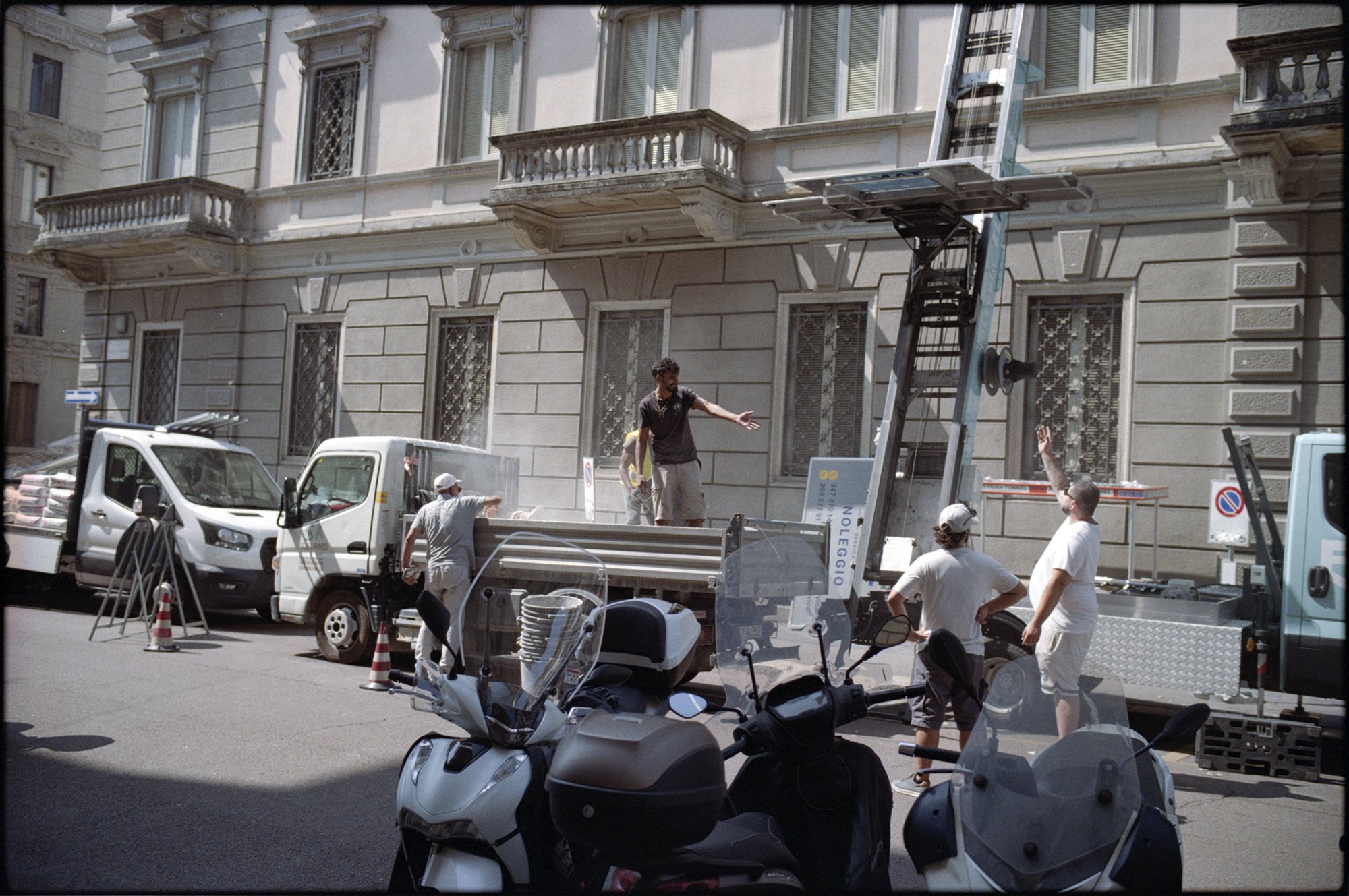
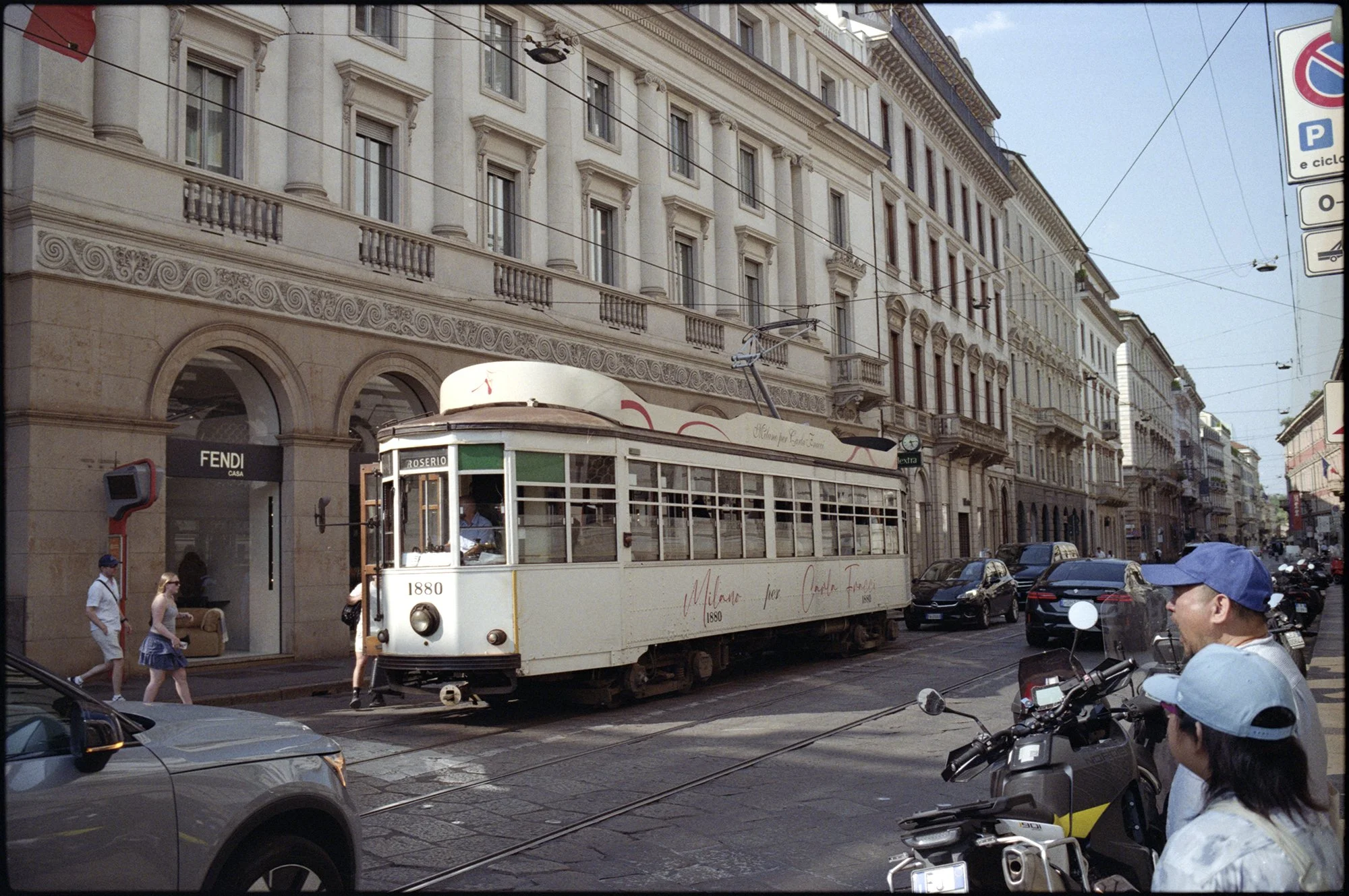
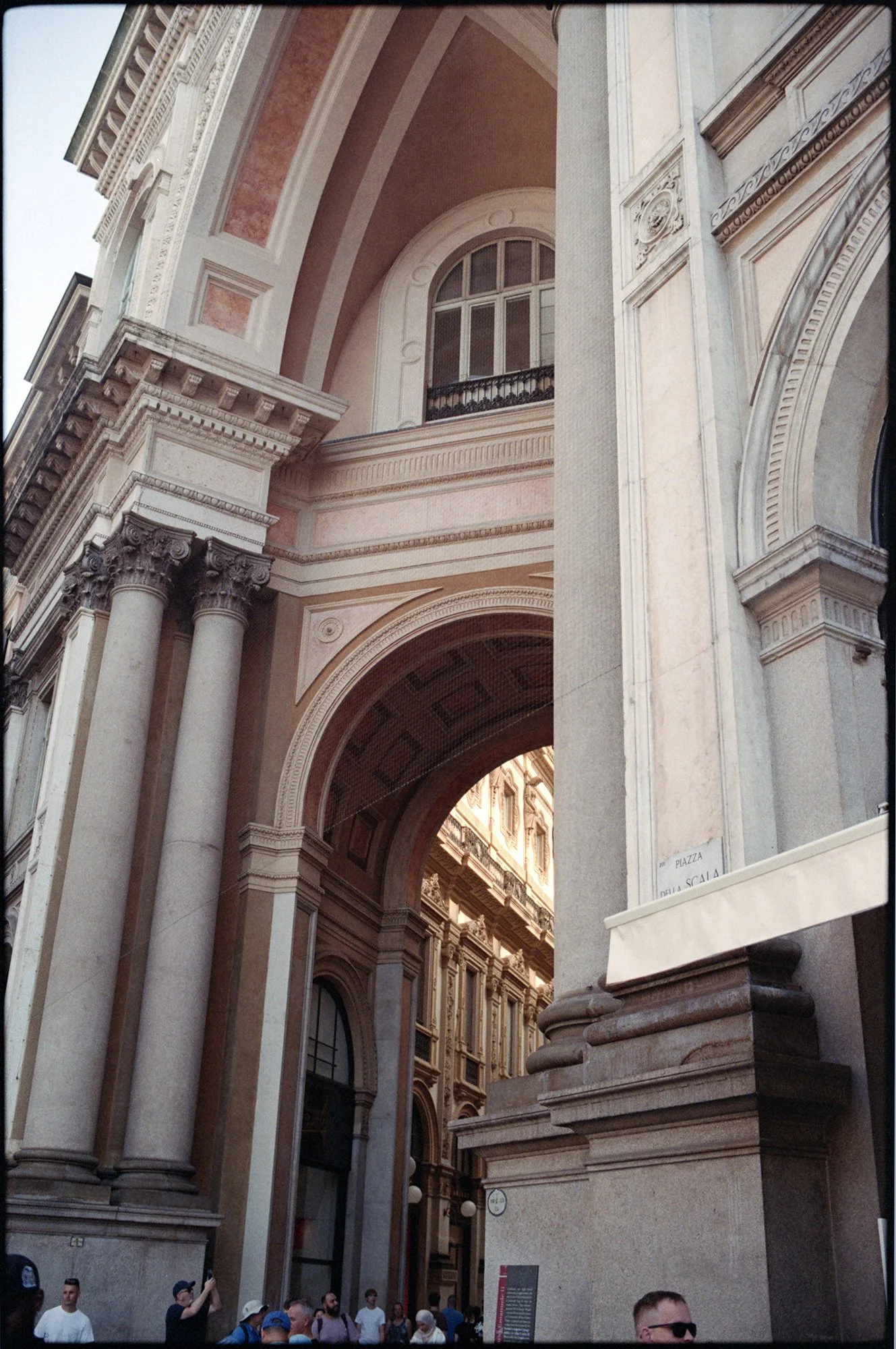
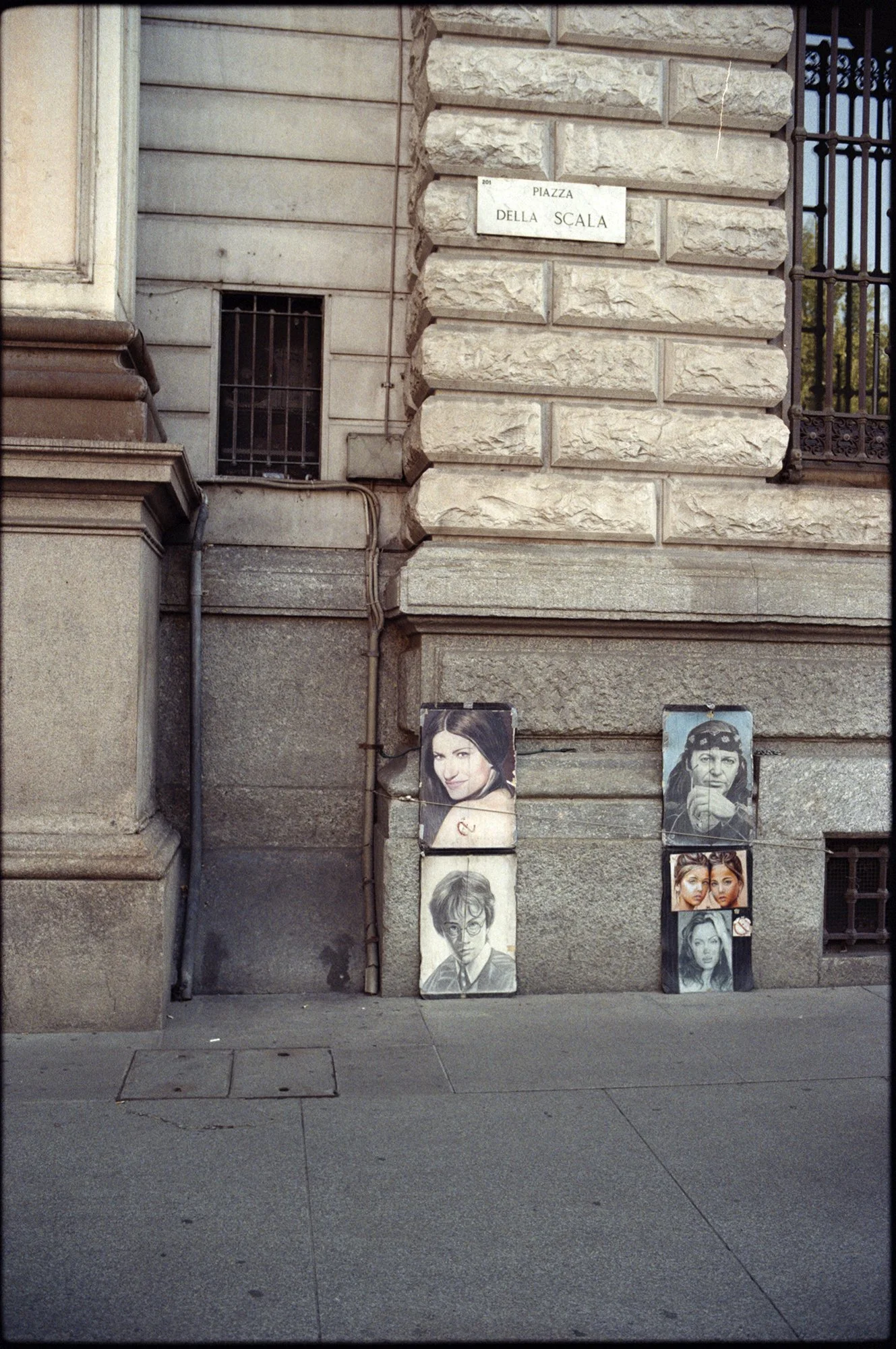
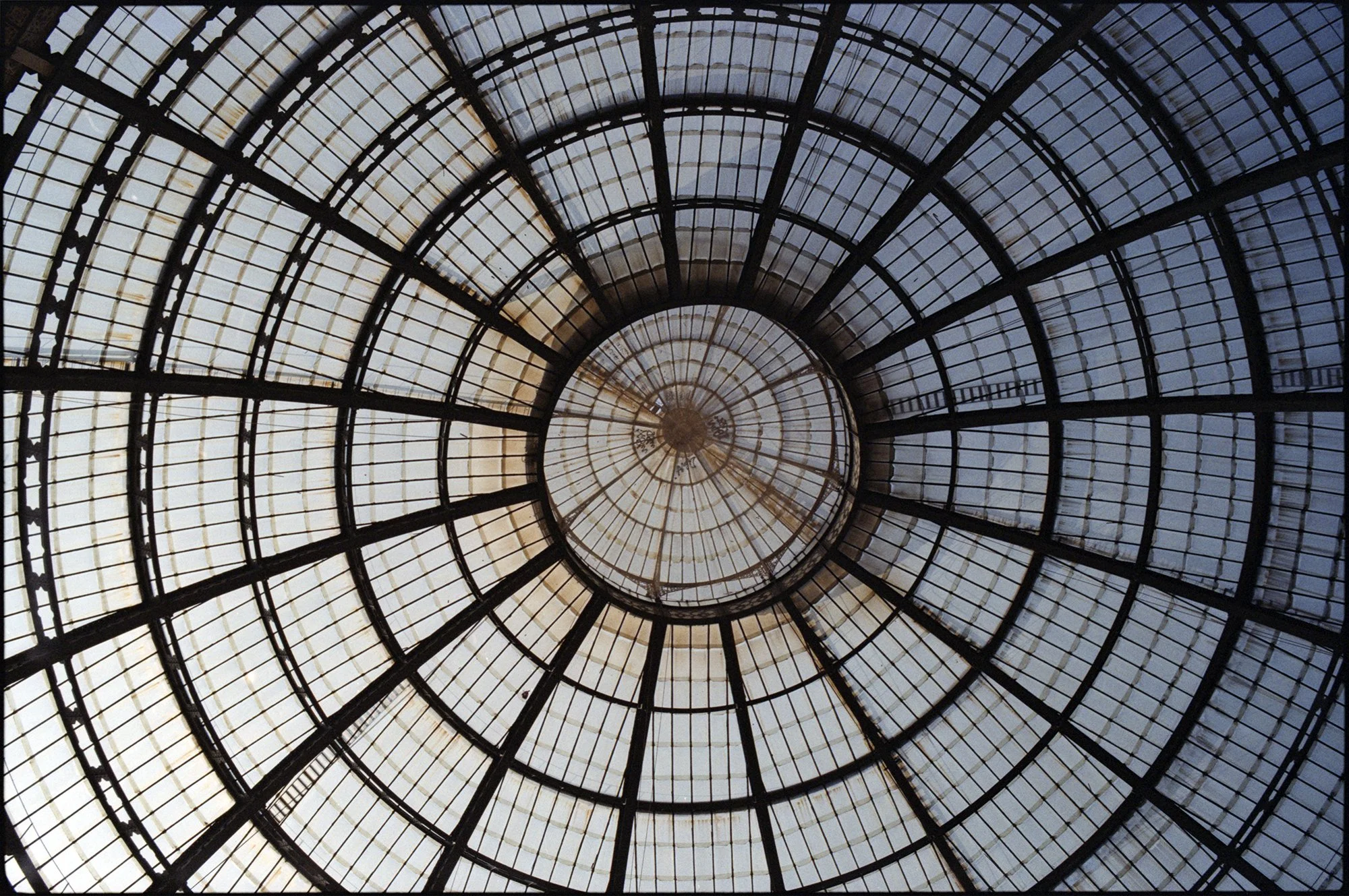
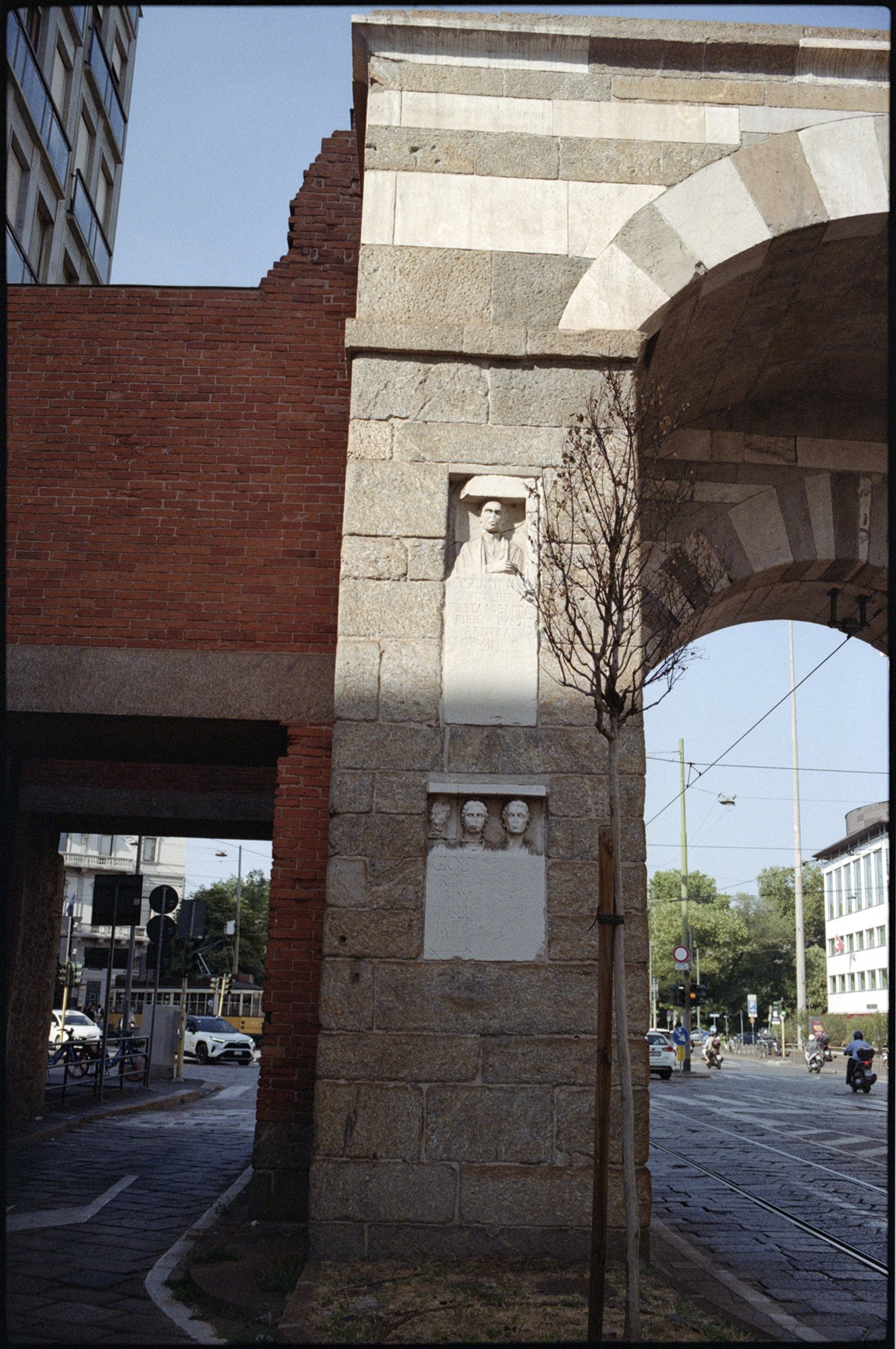
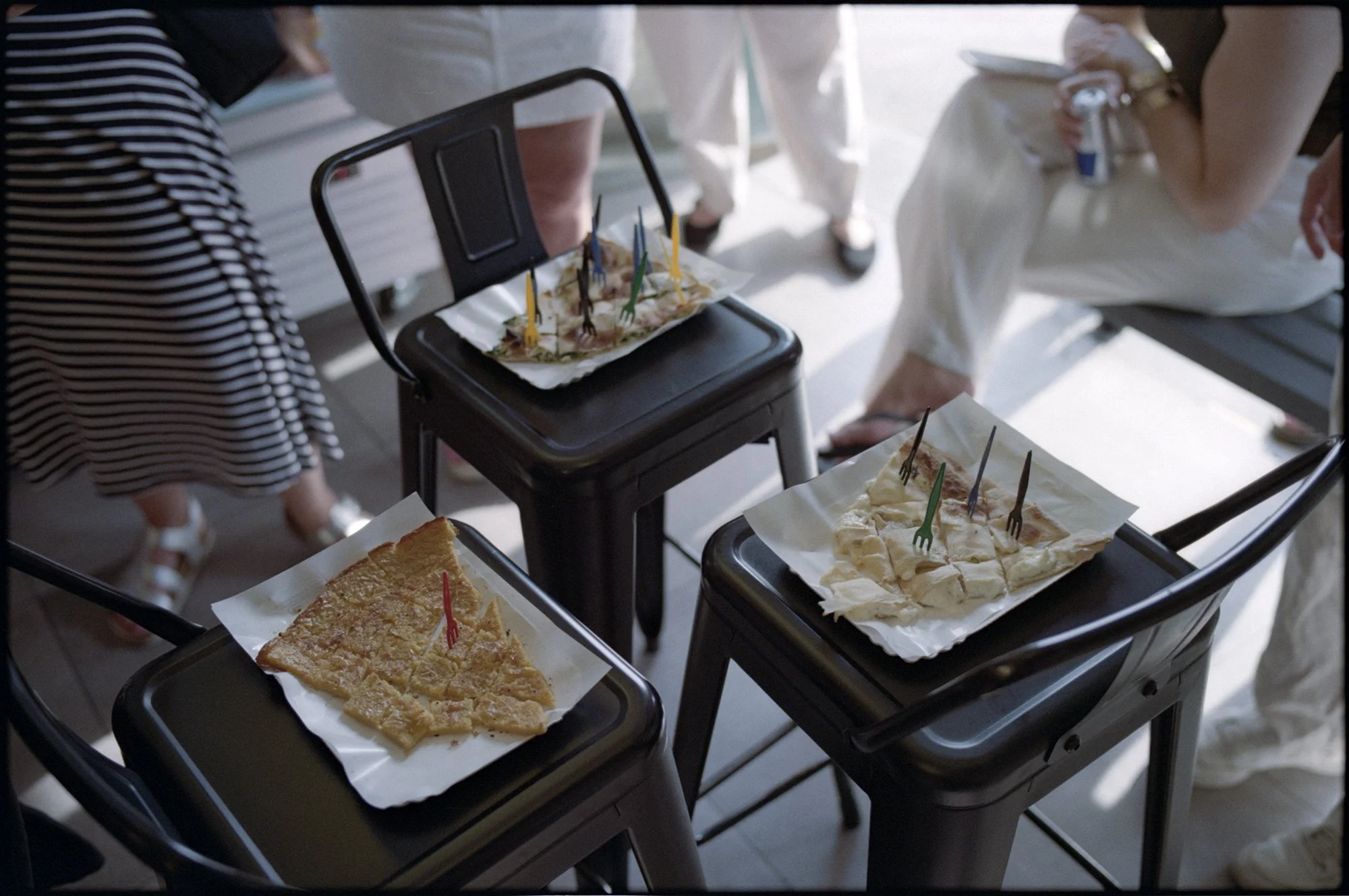
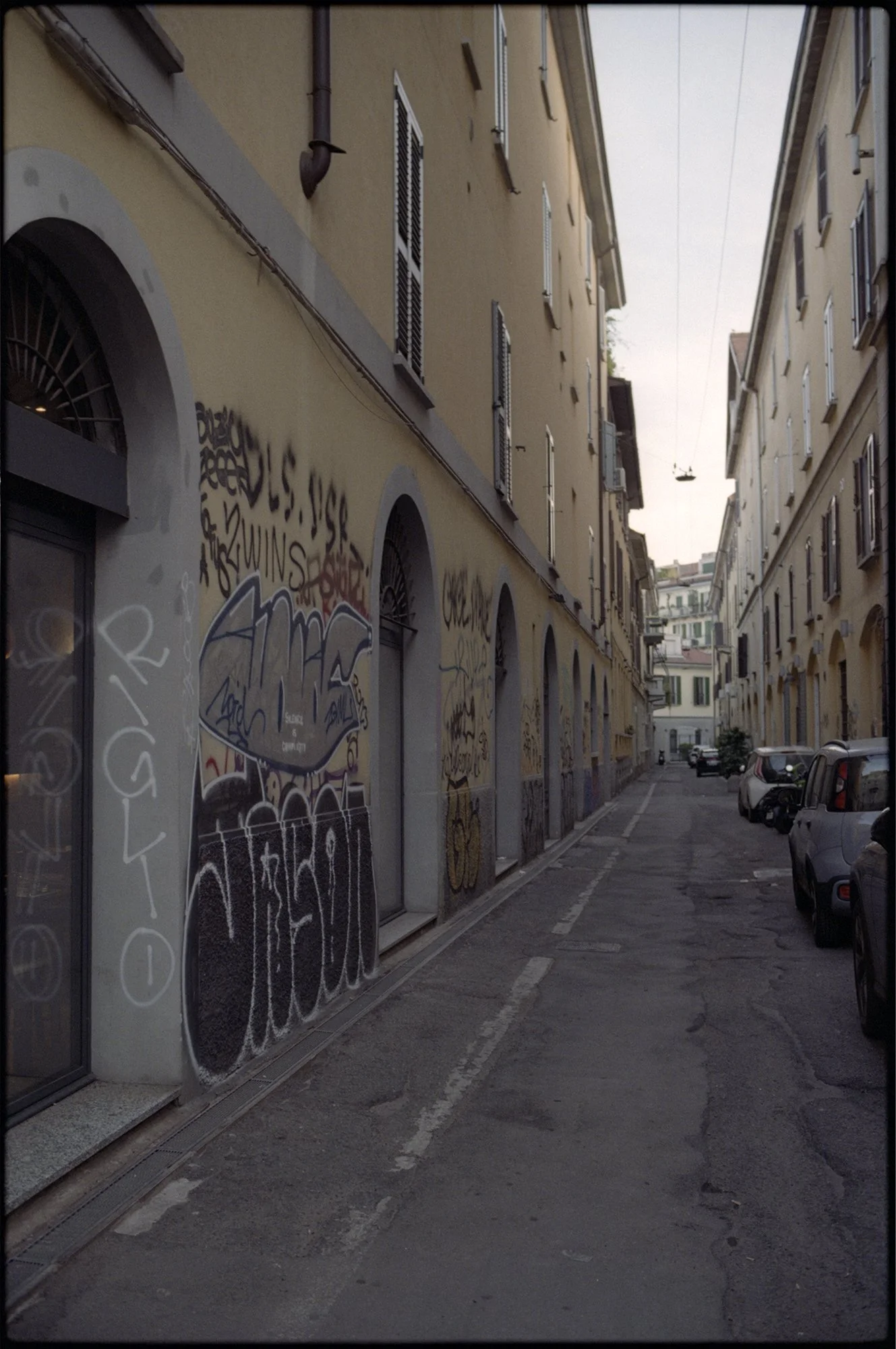
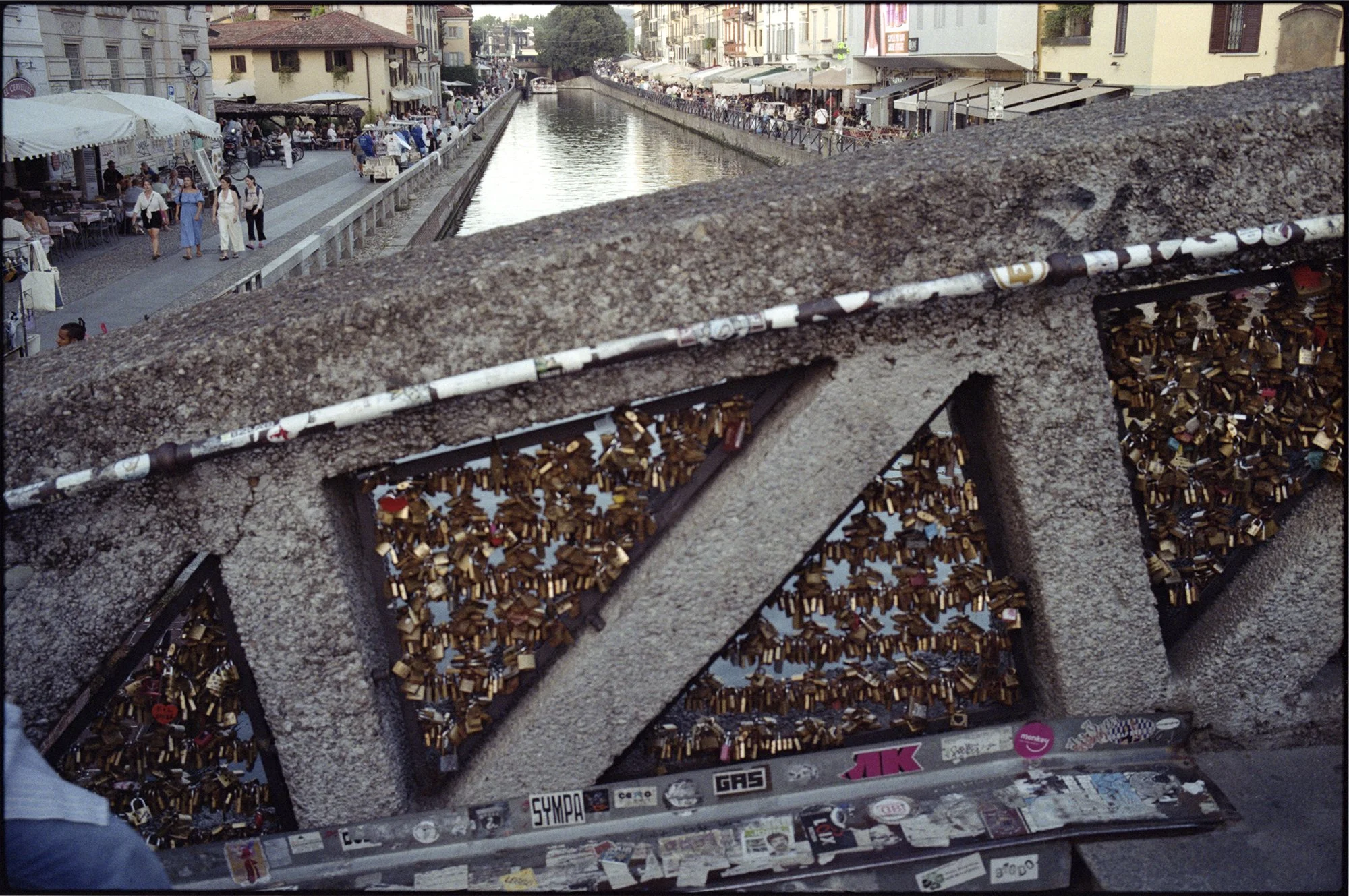
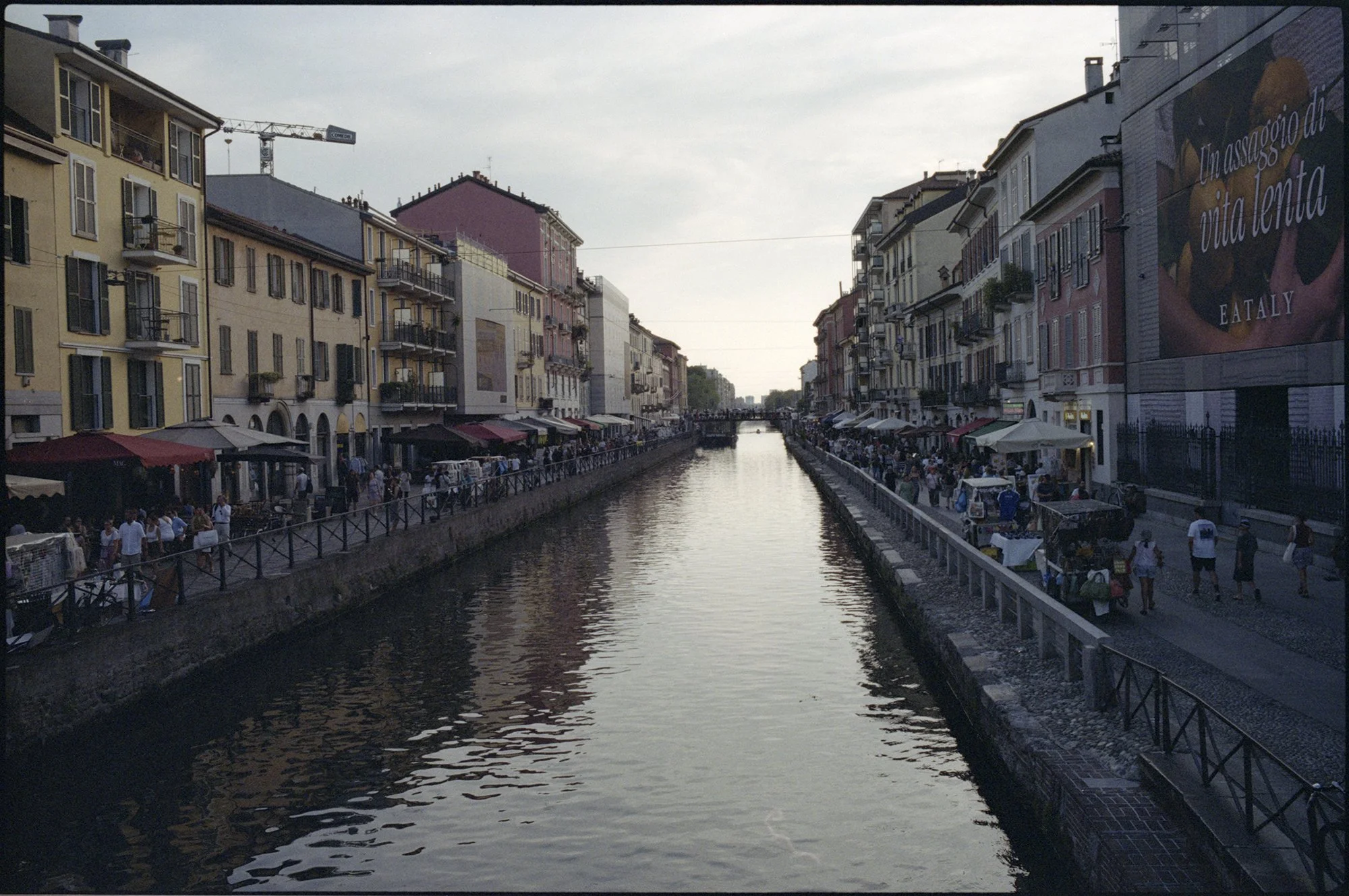
It was good to arrive in Milano, an old and contemporary place; an elegant, polyglot lady. A little less cute and a little more sleek than the other Italian towns.
The heat continued to beat down, and mosquitoes from the canal spoiled a round of drinks and snacks with some new friends. The first evening there was all about the food.
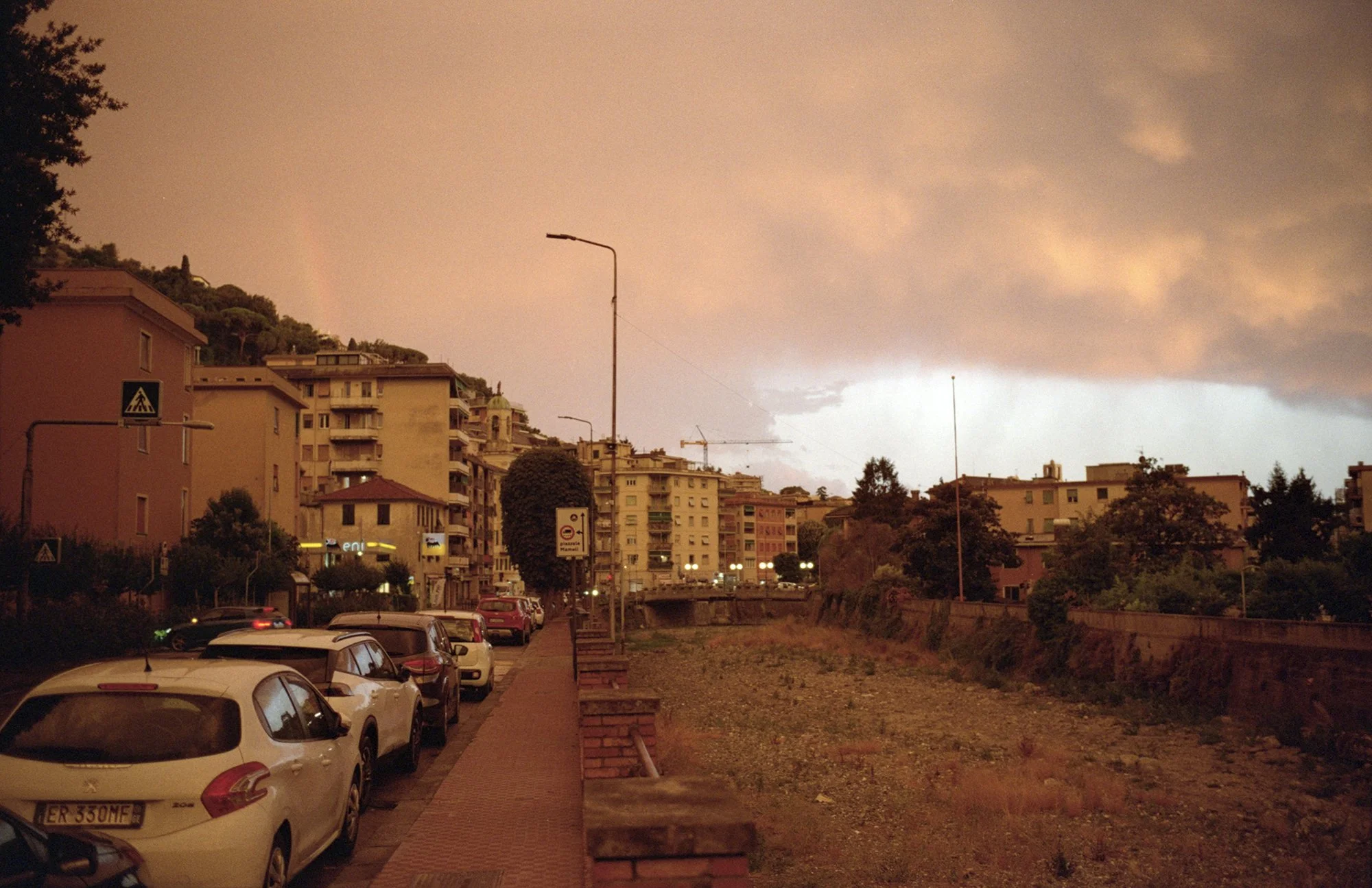
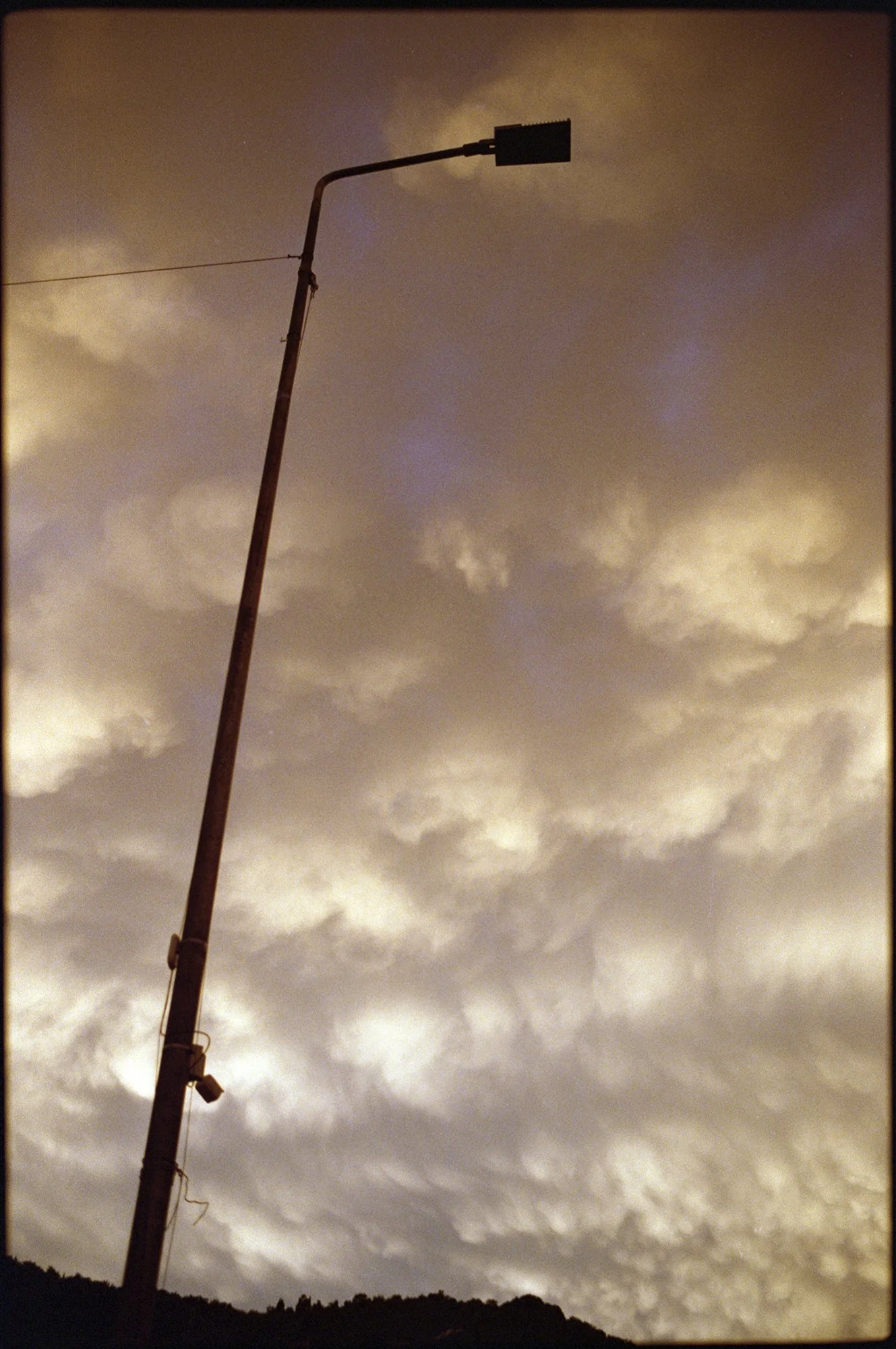
A front passed through Recco during dinner one evening. Coming out of the restaurant, everything was peachy sepia.
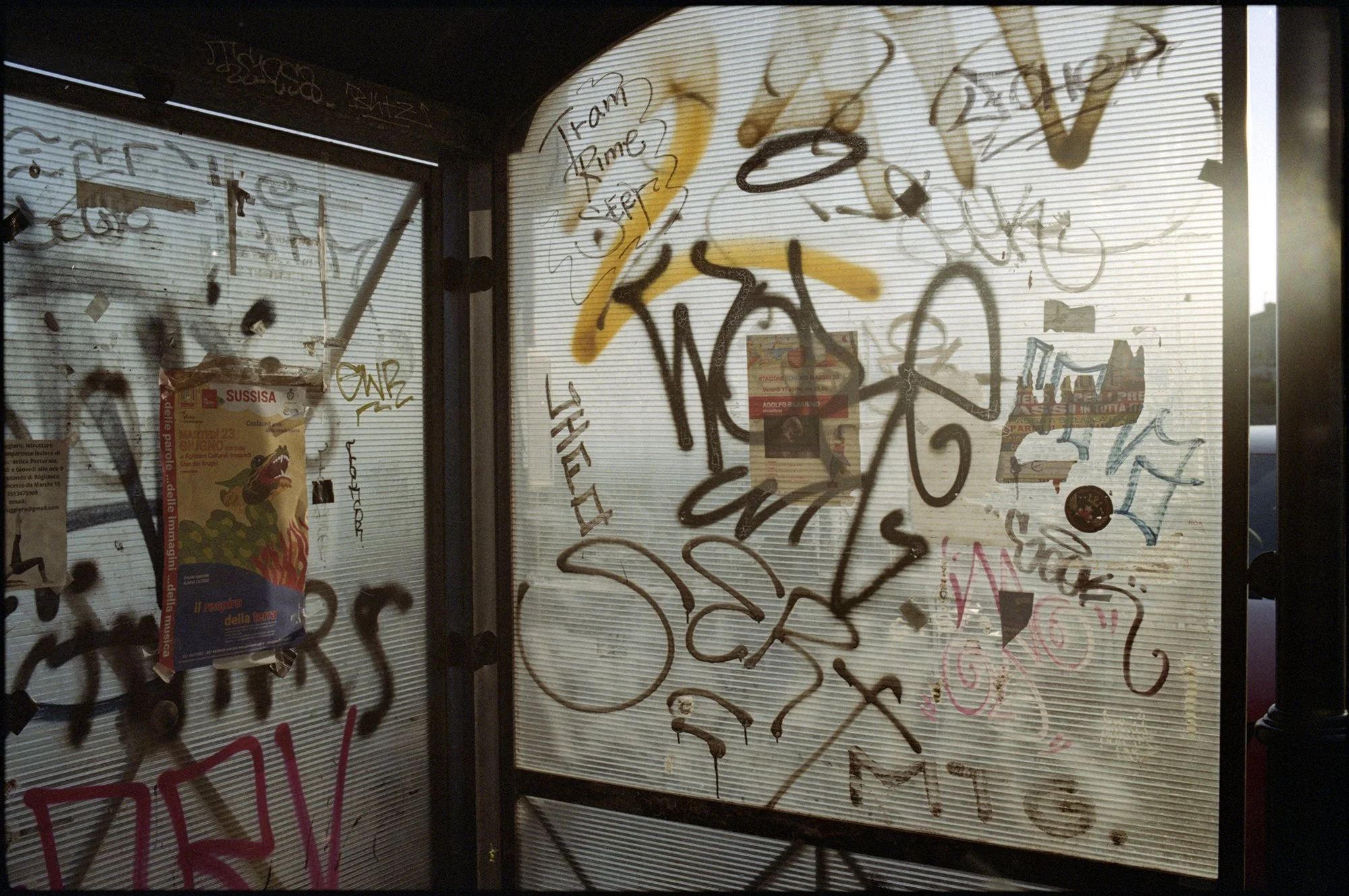
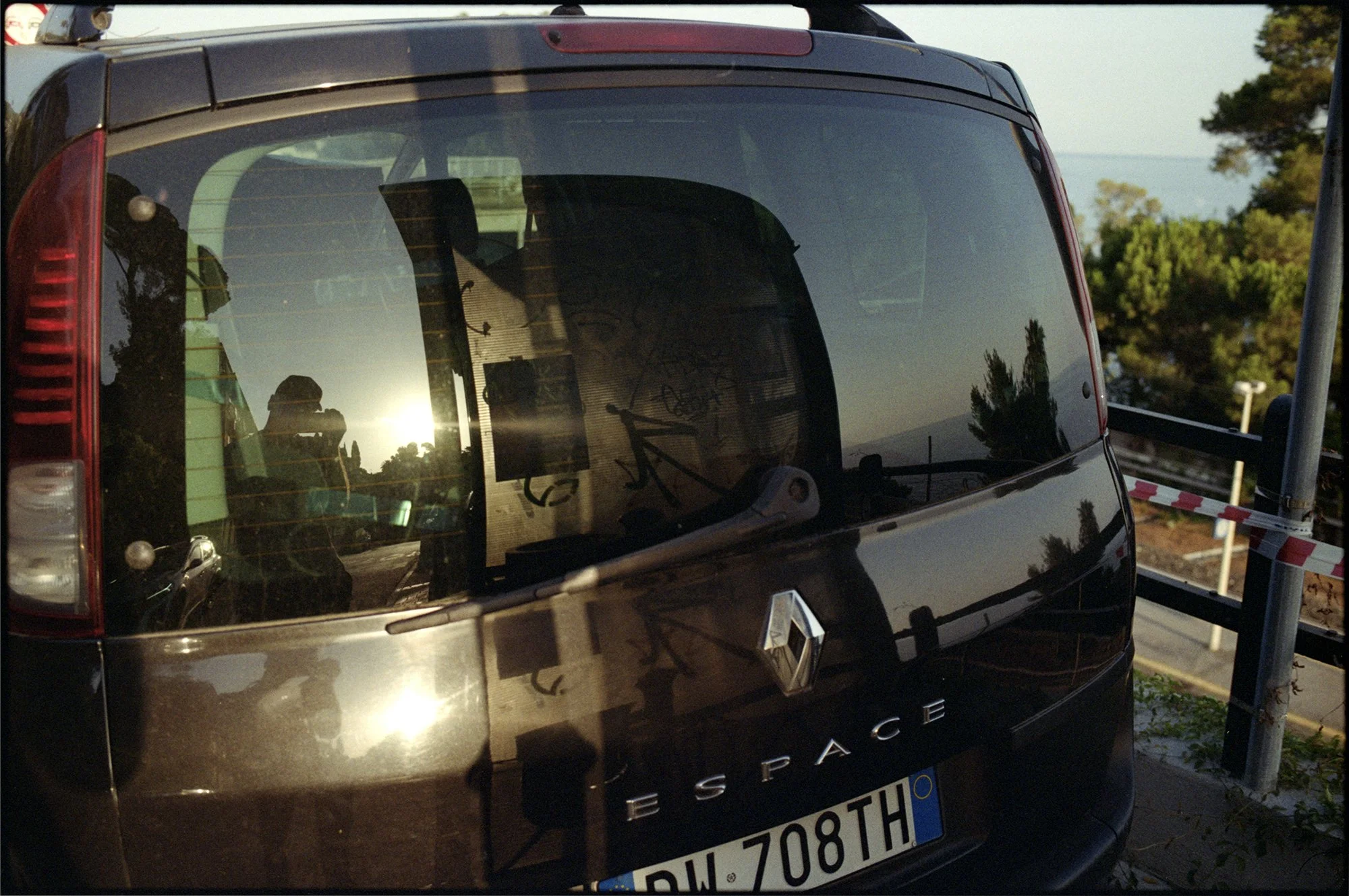
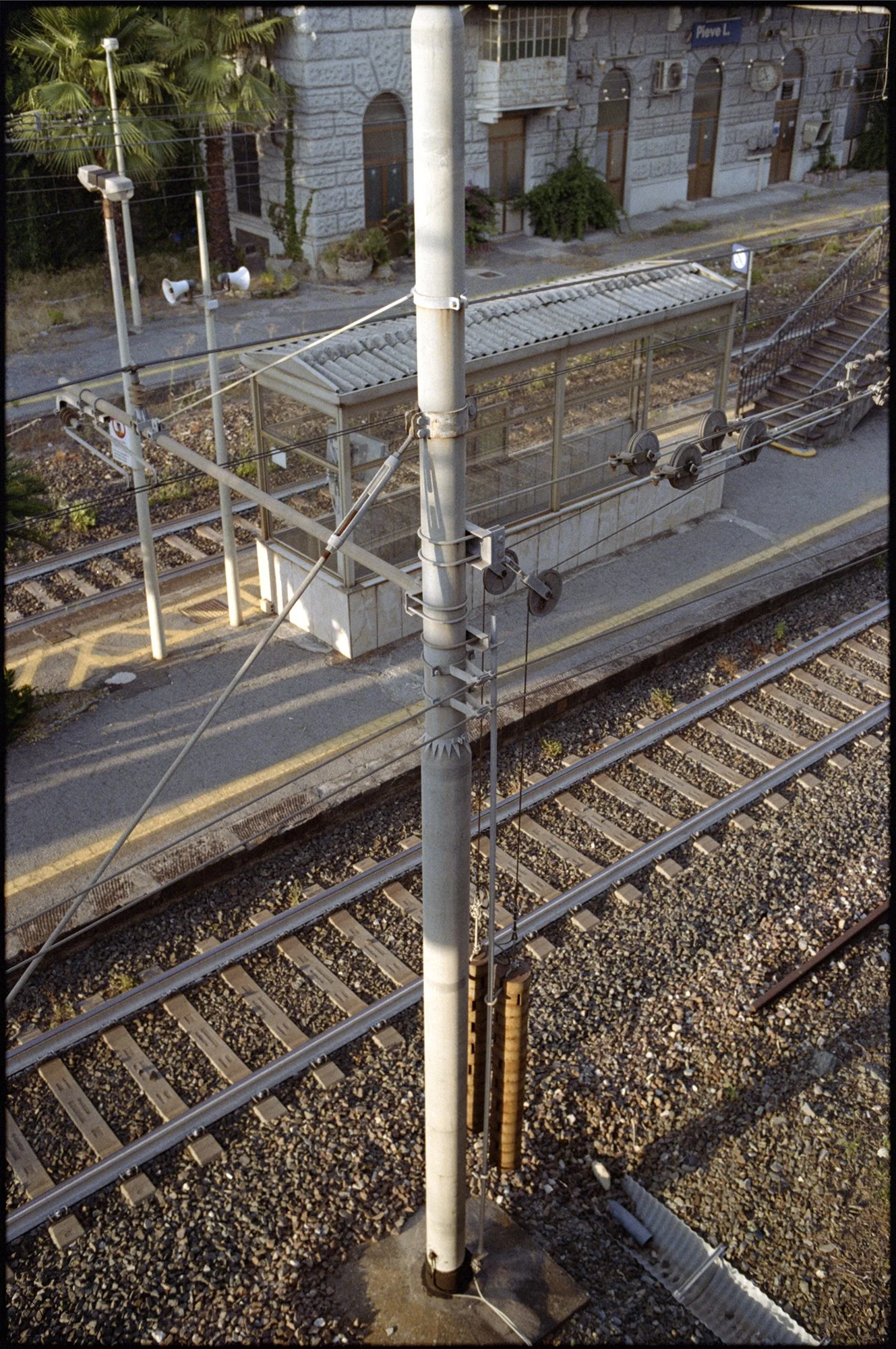
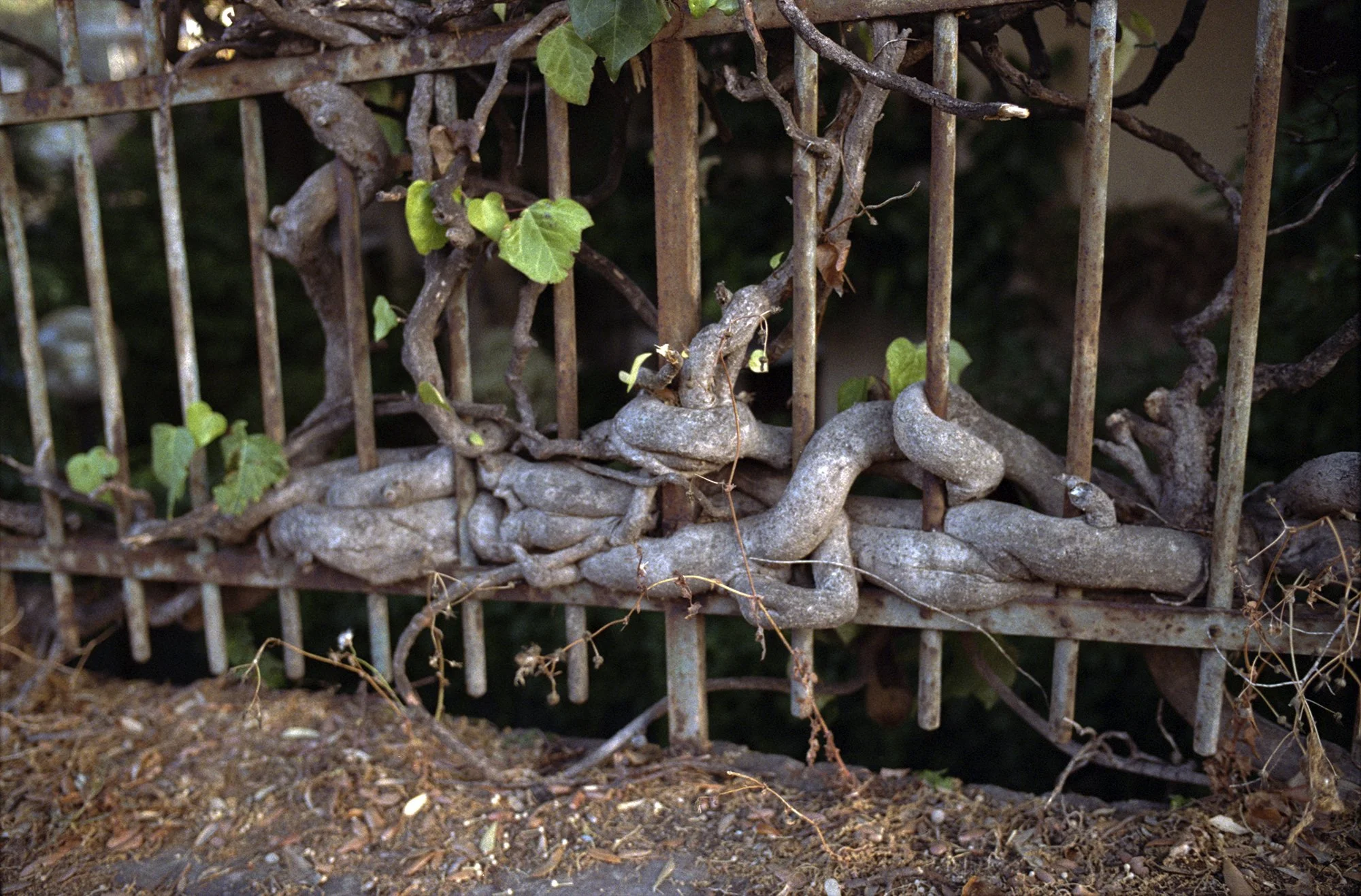
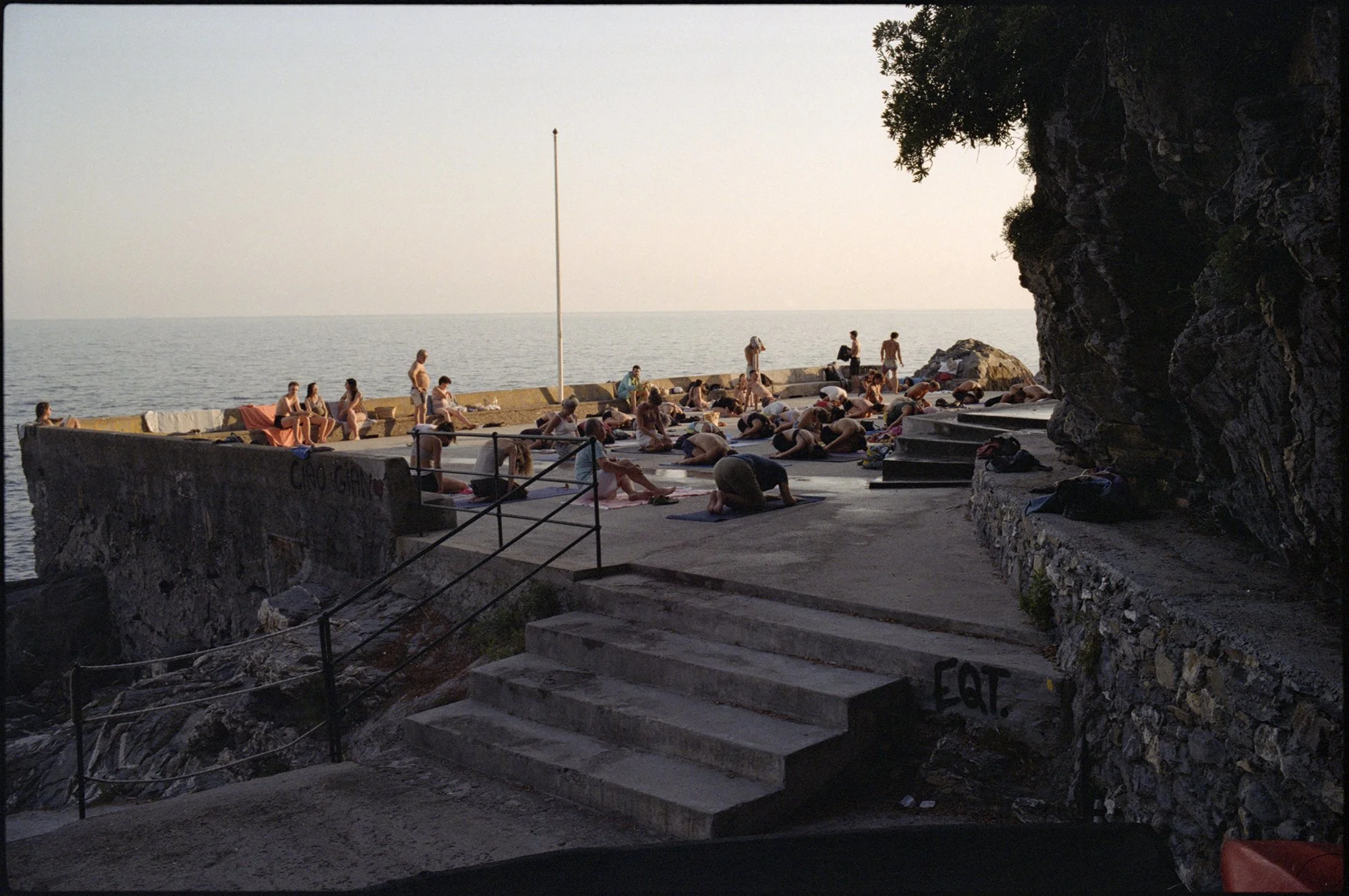
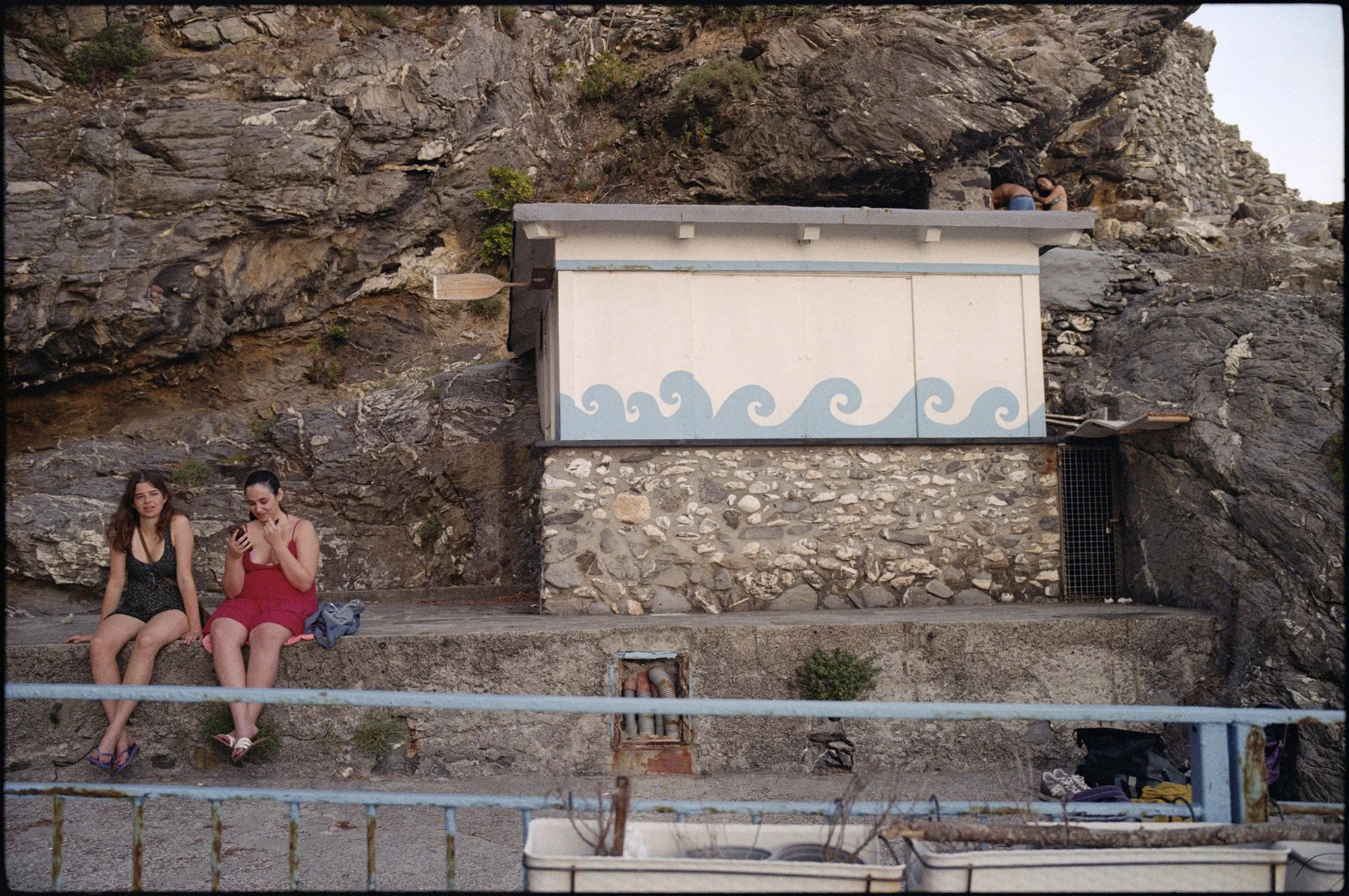
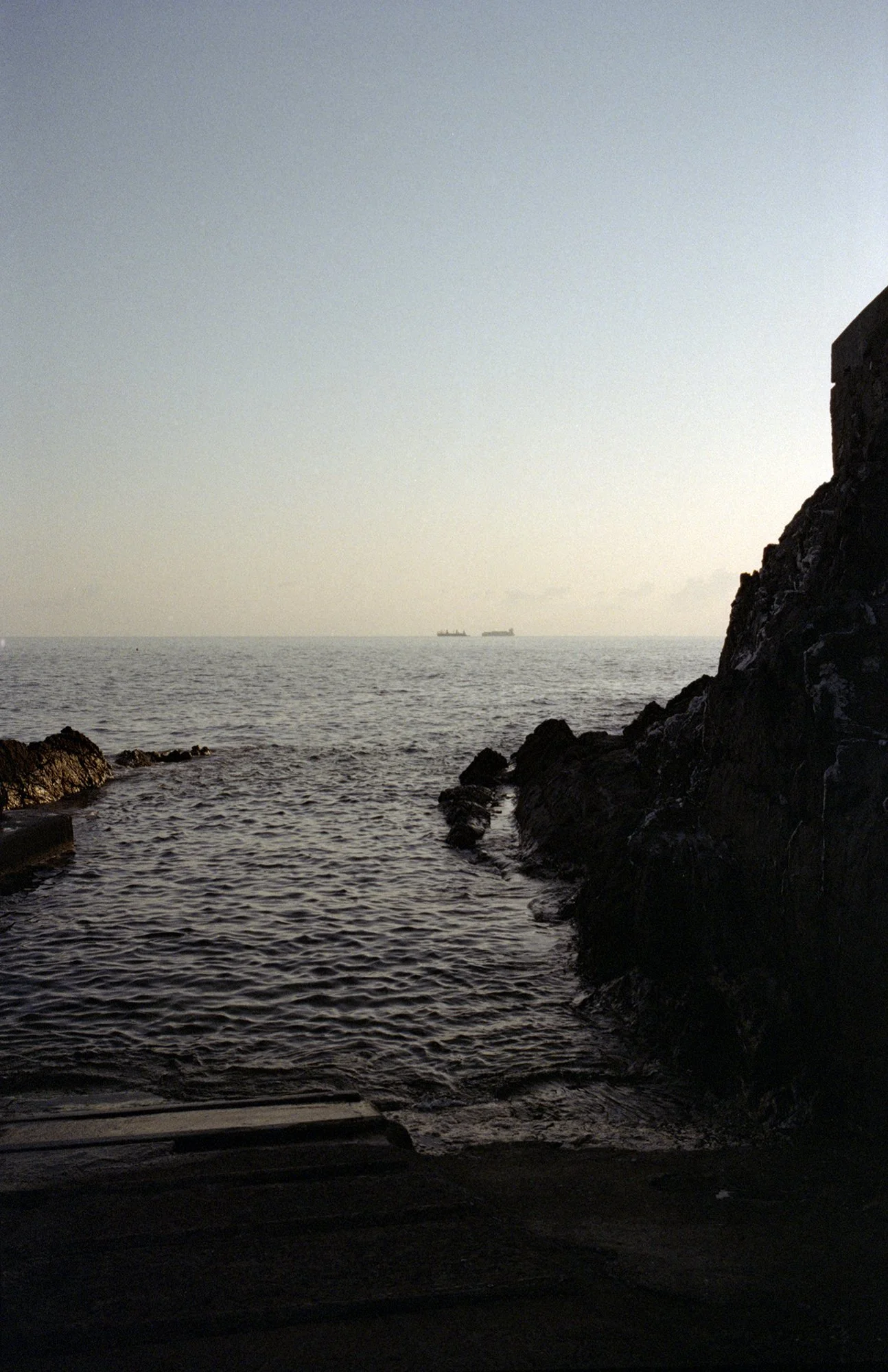
In Pieve Ligure, I envied those for whom this relaxed atmosphere is a norm.
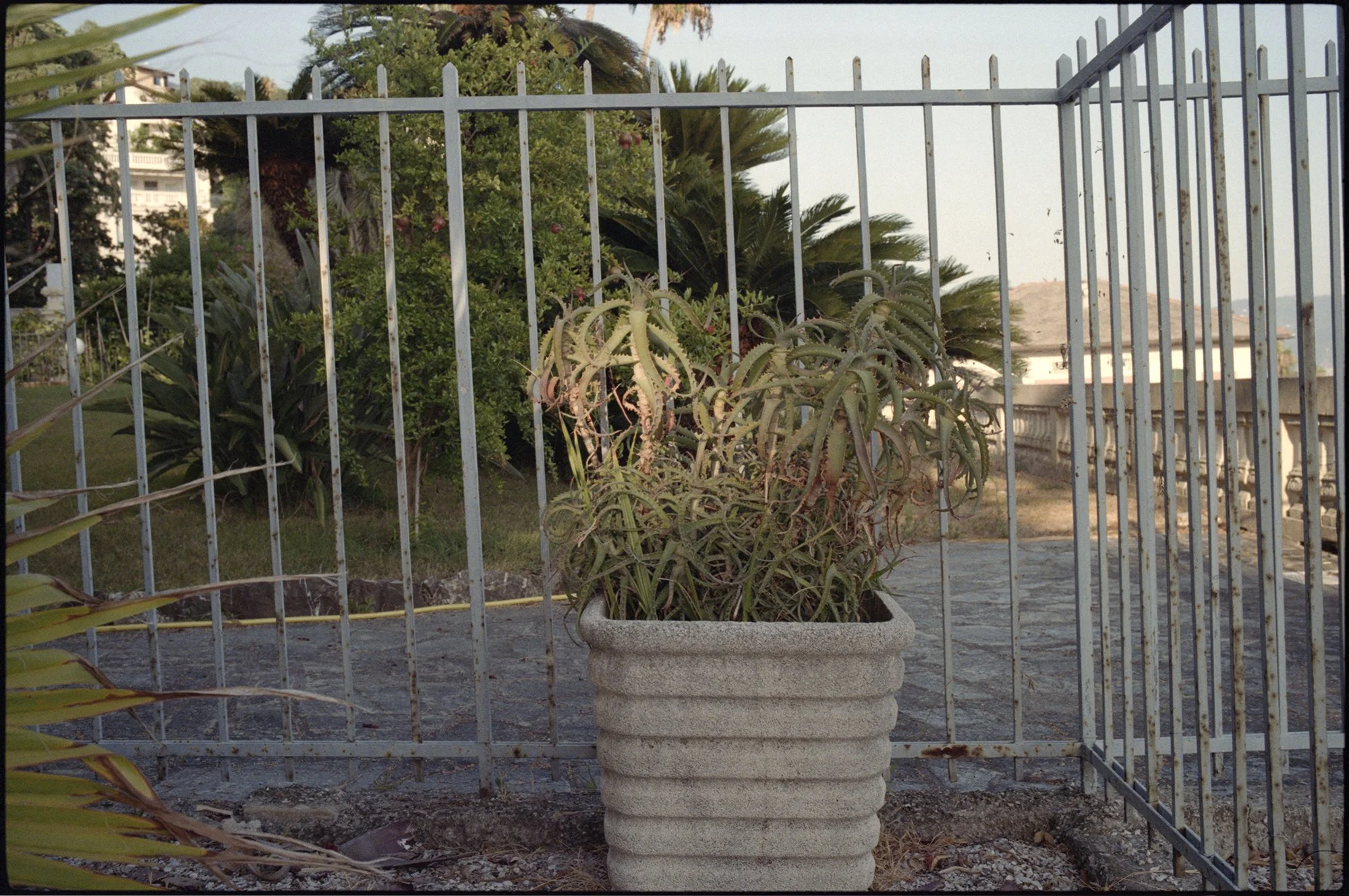
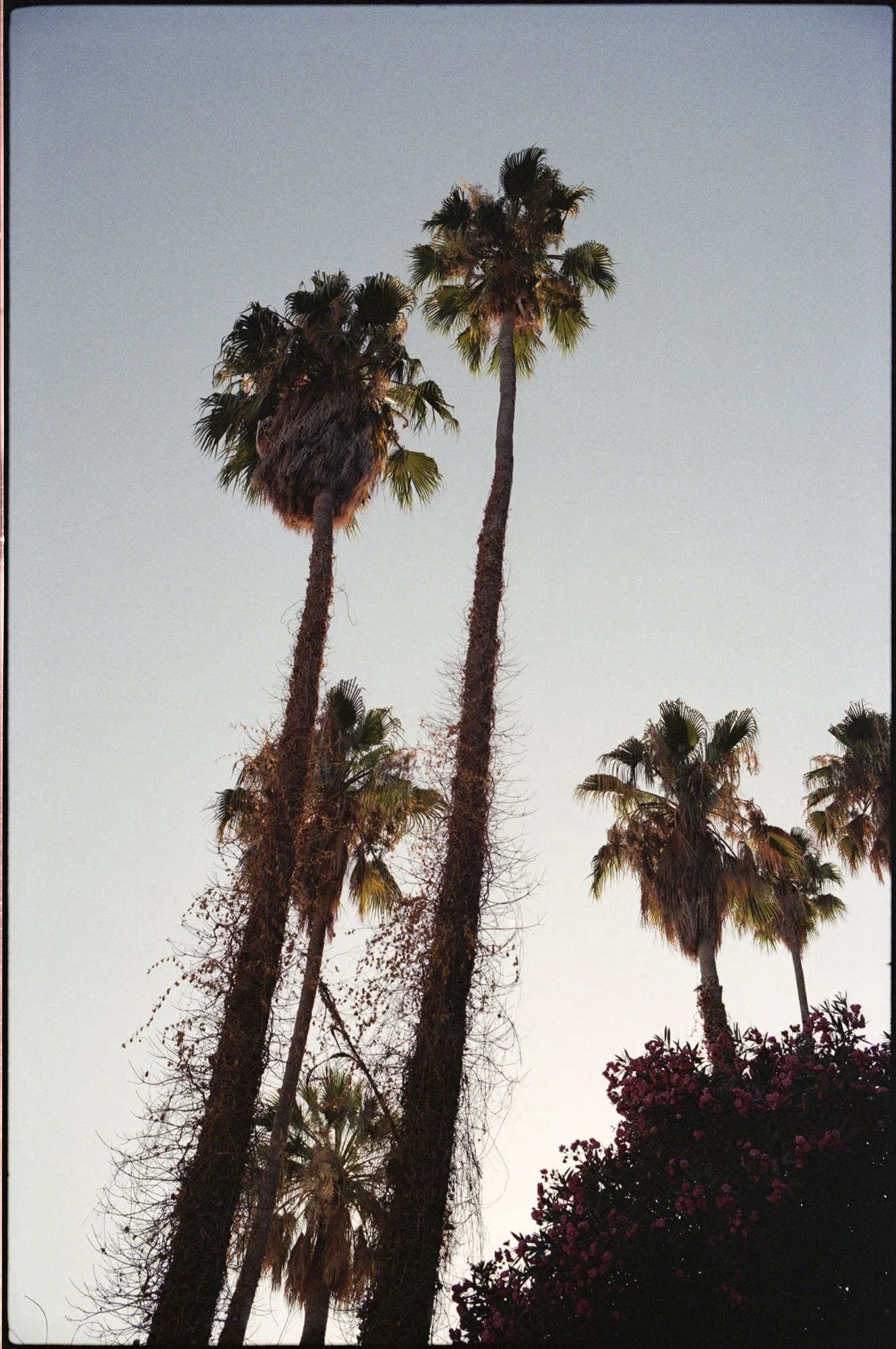
Along the rocky coast, there are so many pathways and roads stacked almost directly on top of one another, it seemed unnecessary. Over the years, I’m sure they each served their purpose, and the traffic along the larger roads increased to points beyond their original intend. The smaller walkways, which in many cases empty directly onto the main roads, are now unsafe because of blind turns and the speed of modern vehicles. Yet there didn’t seem to be many dead ends. Perhaps disused gates and some ruins here and there, but at no point is it required to stop and turn around.
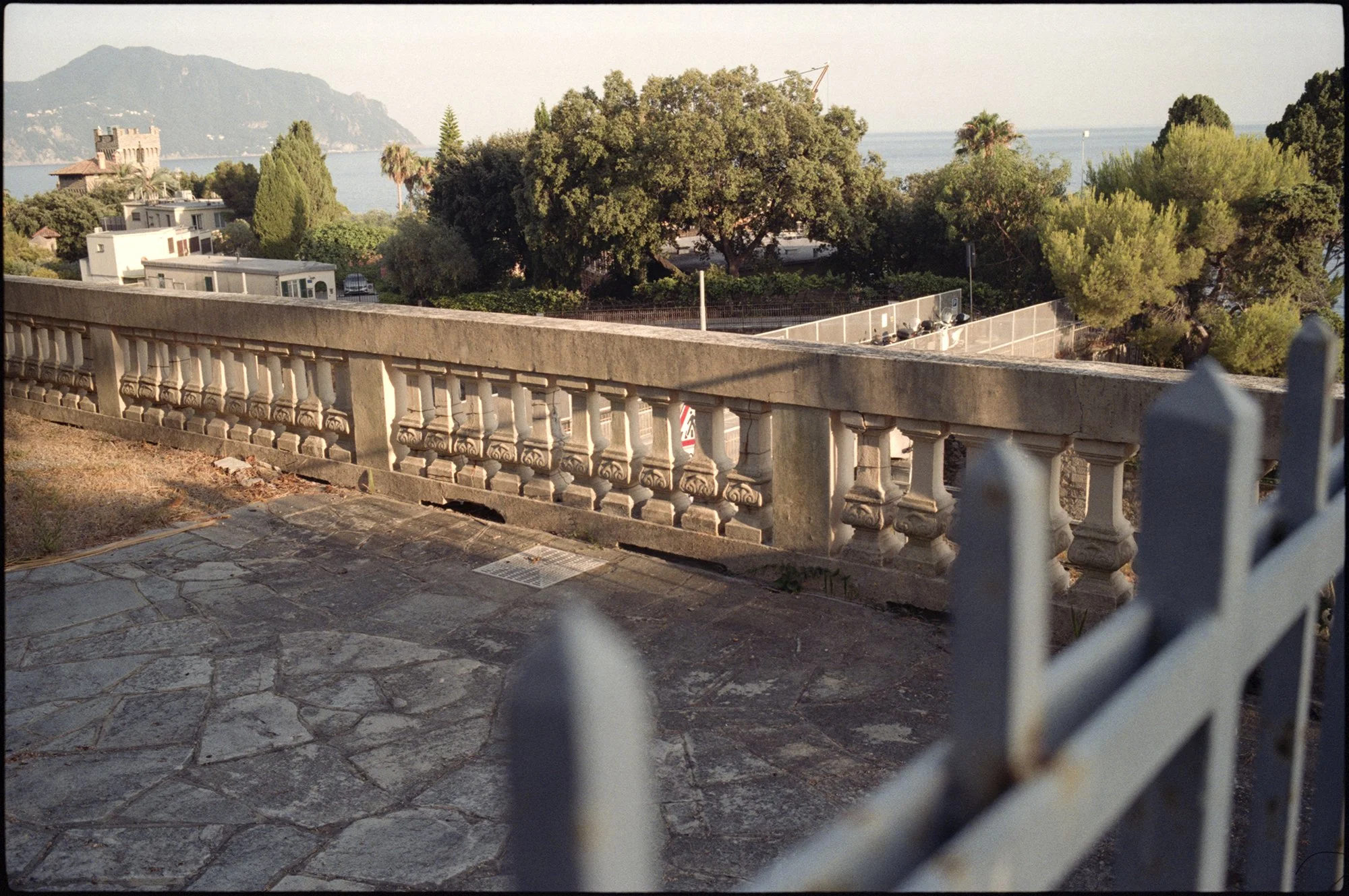
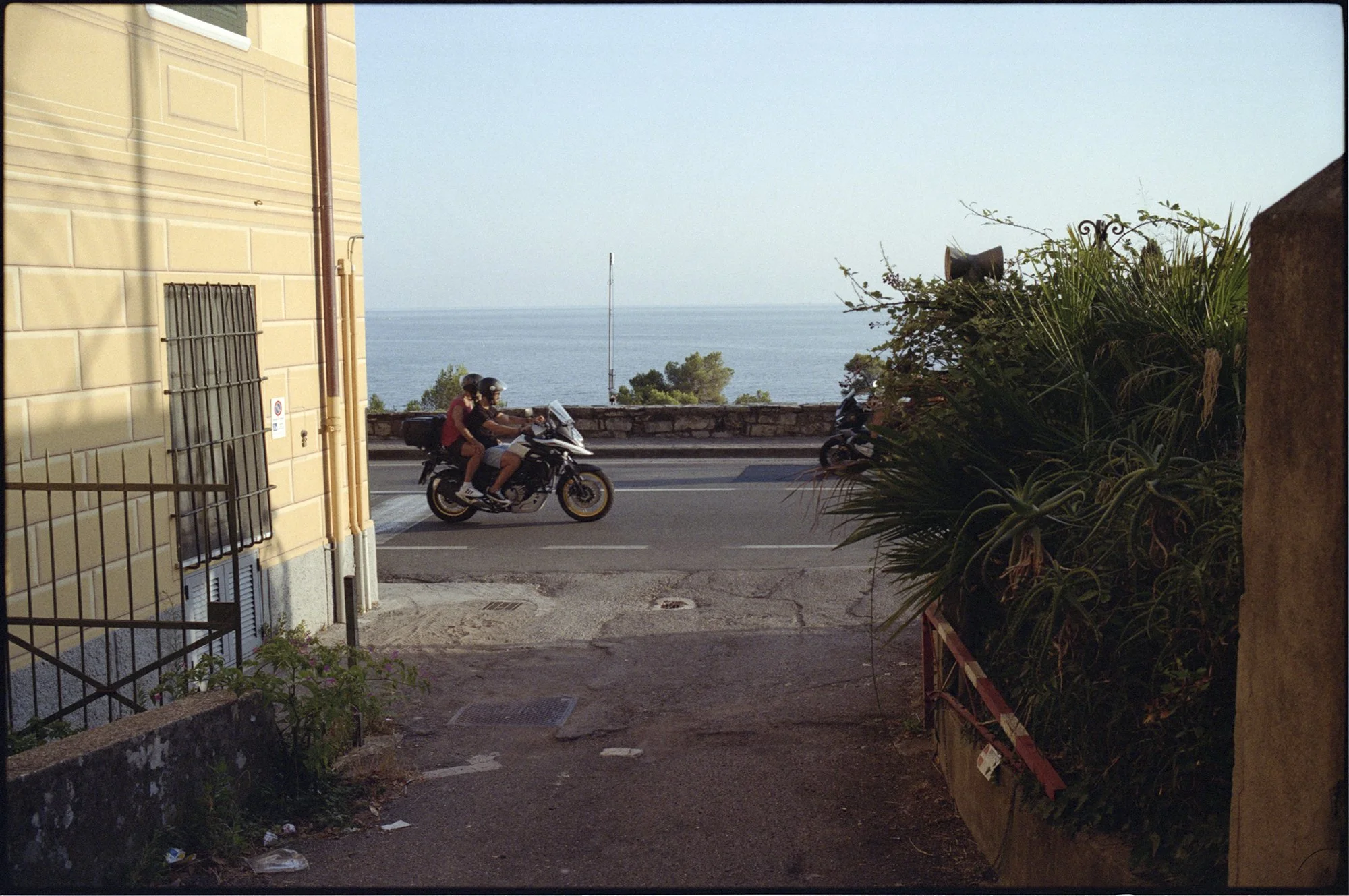
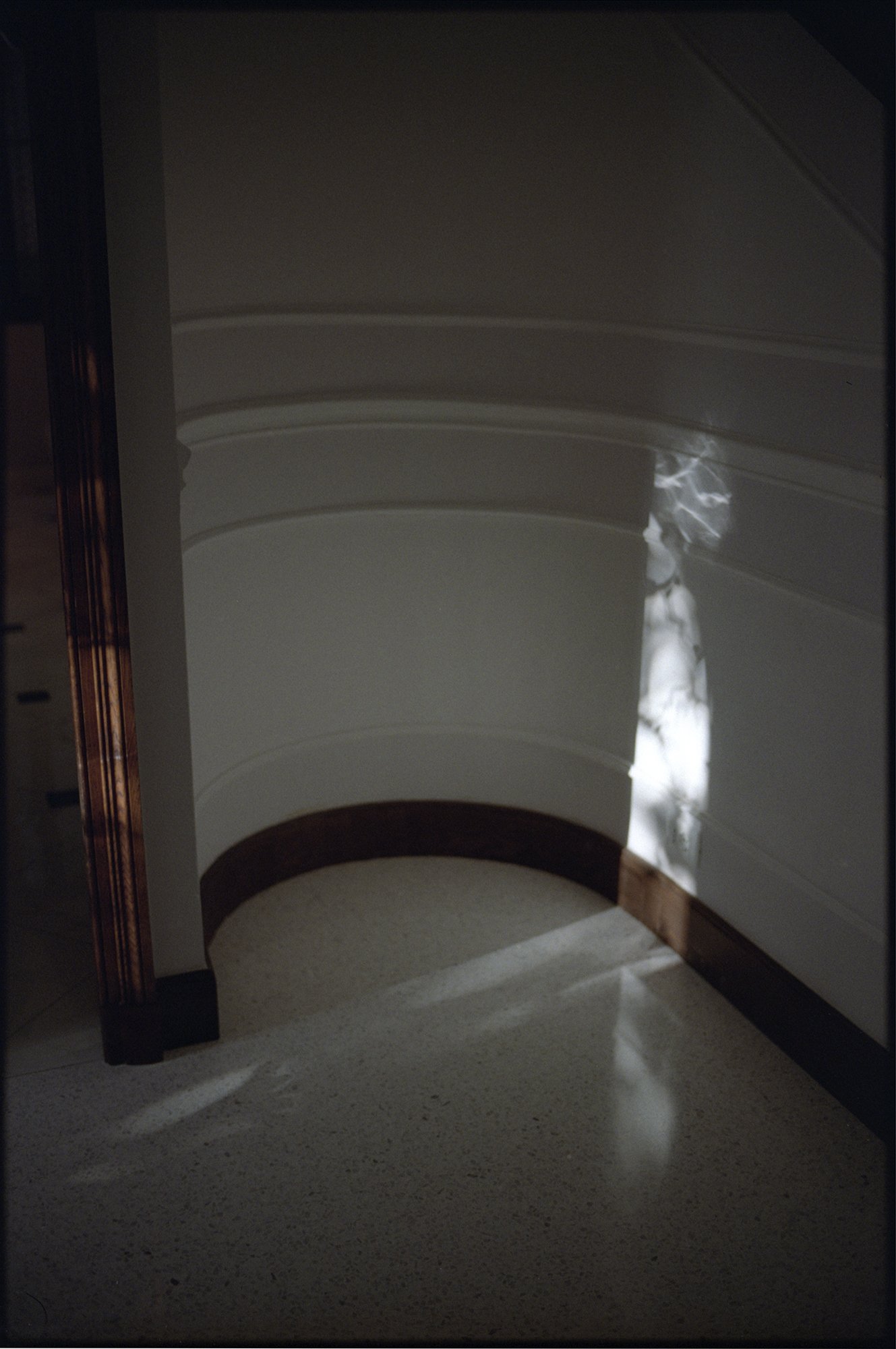
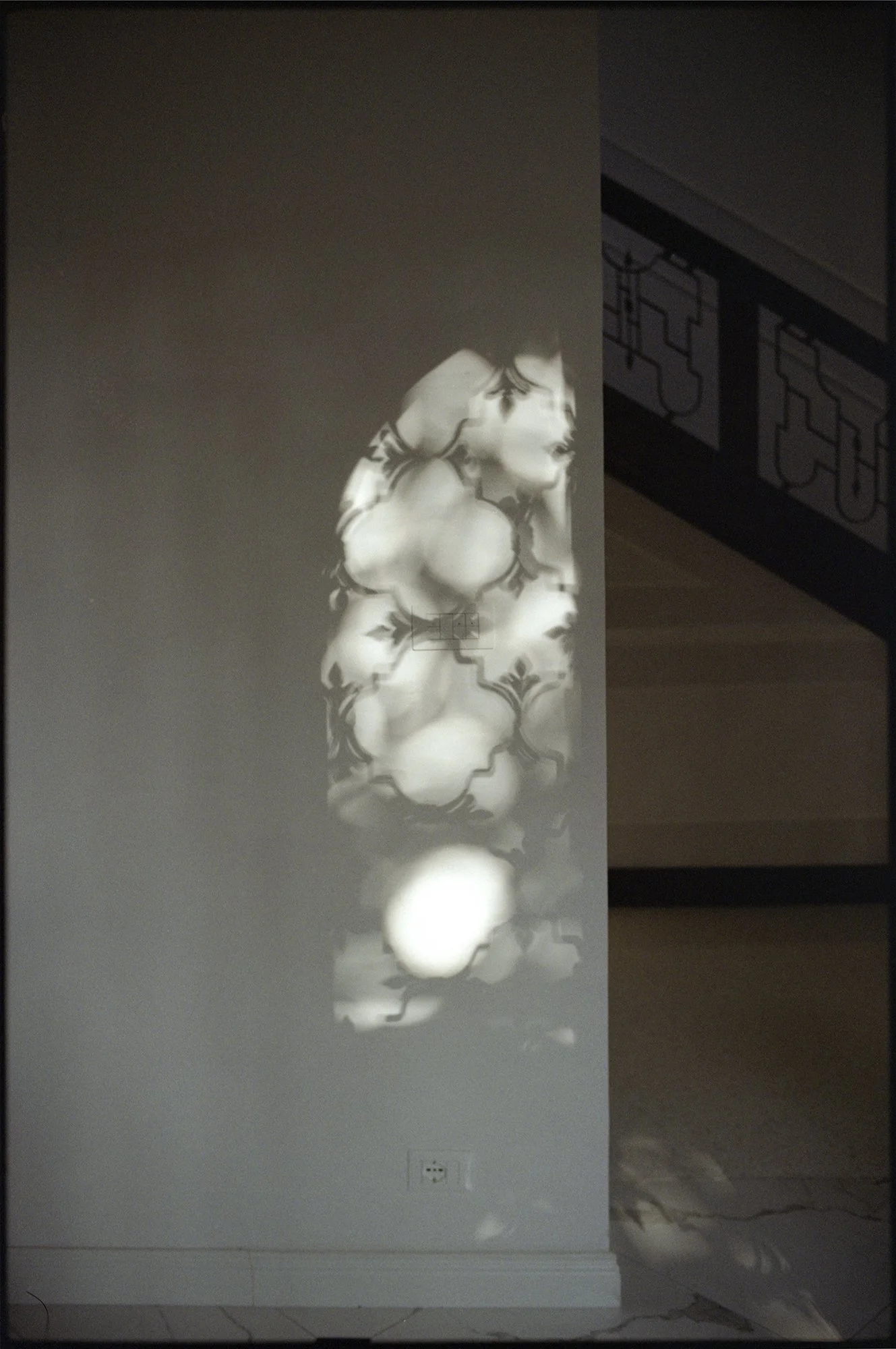
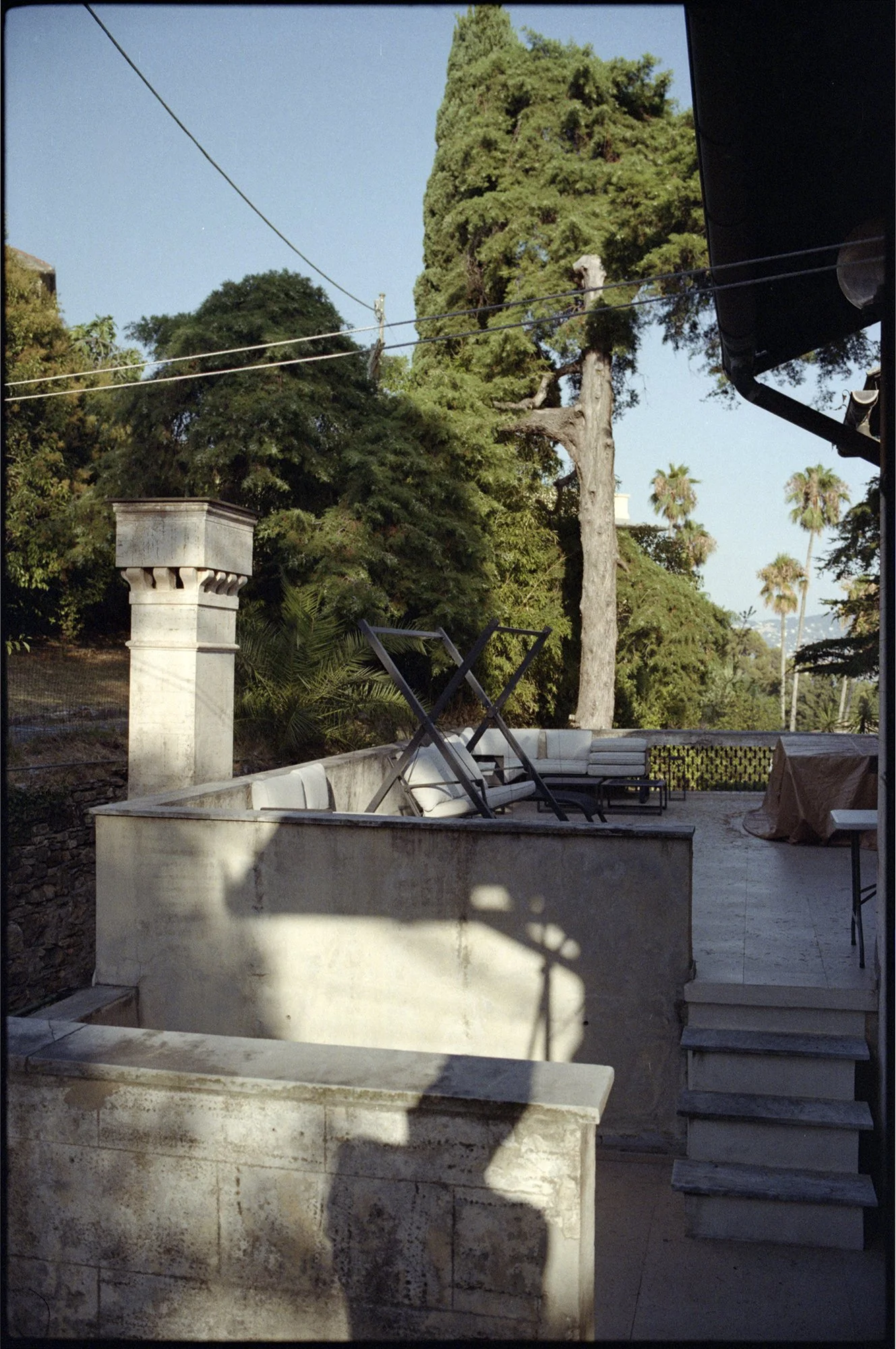
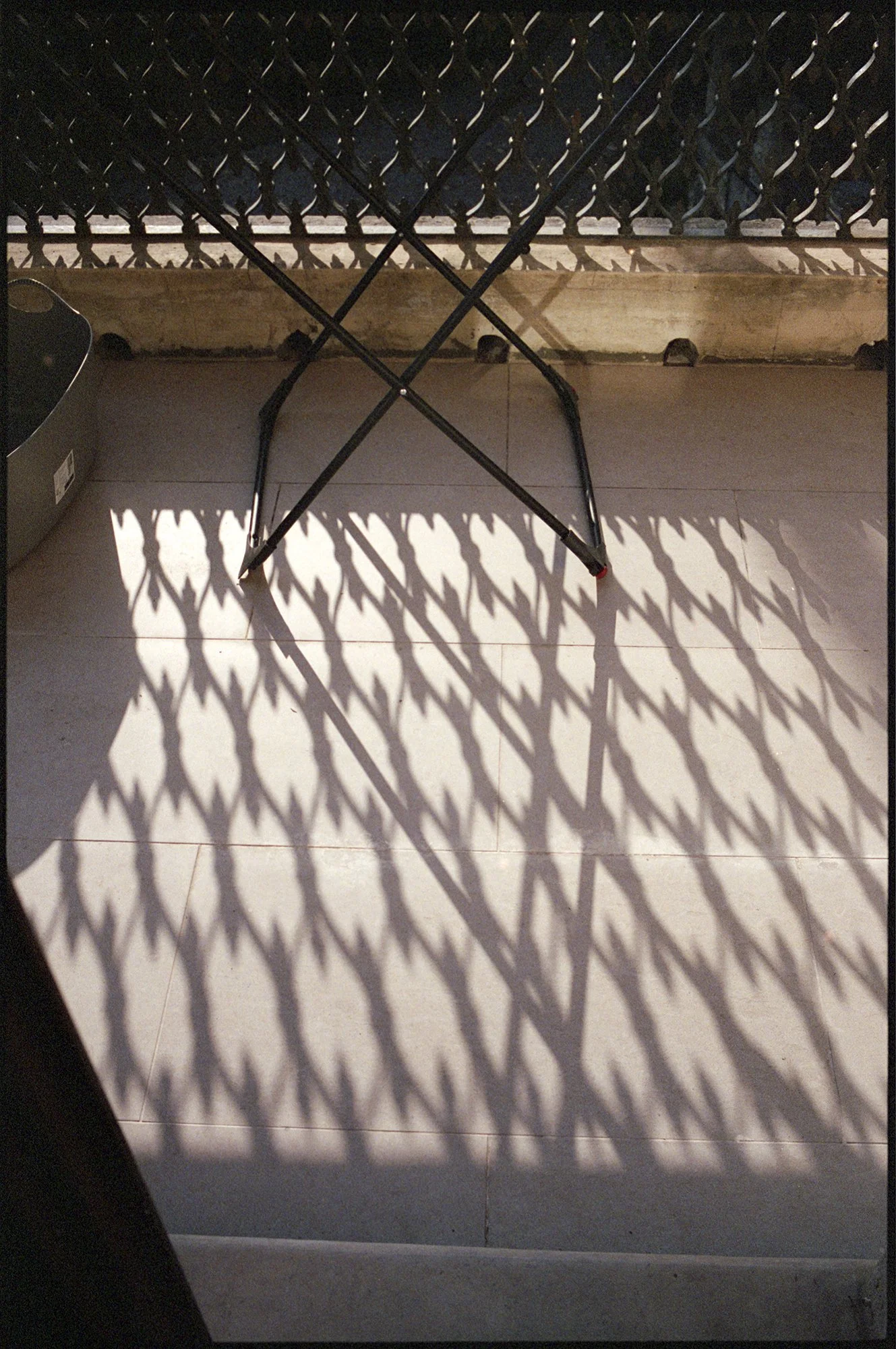
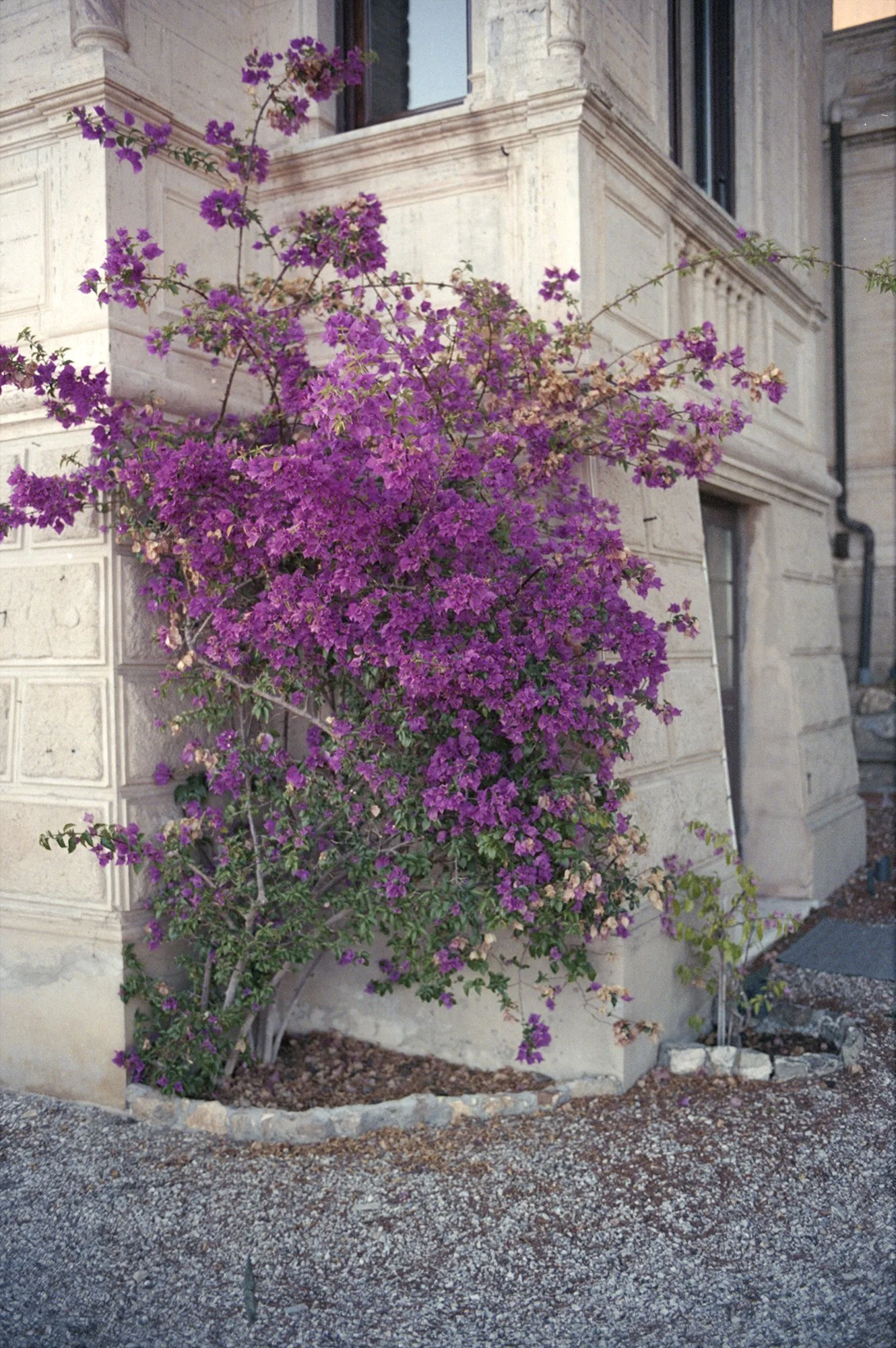
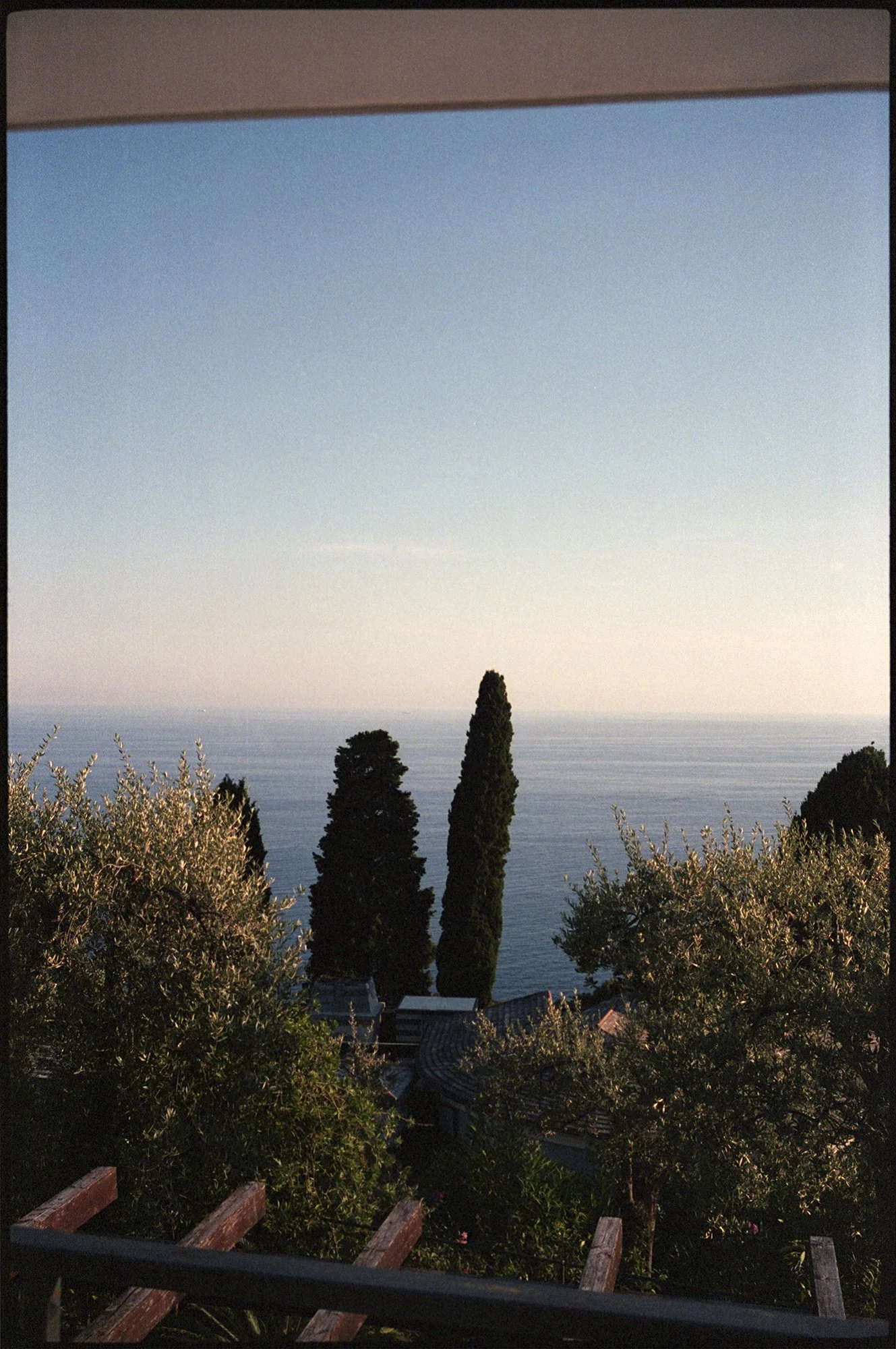
In Pieve Ligure, at a villa rented from a tech high-flyer, the concerns were for health and laundry, and I looked for date palms to photograph for a commission.
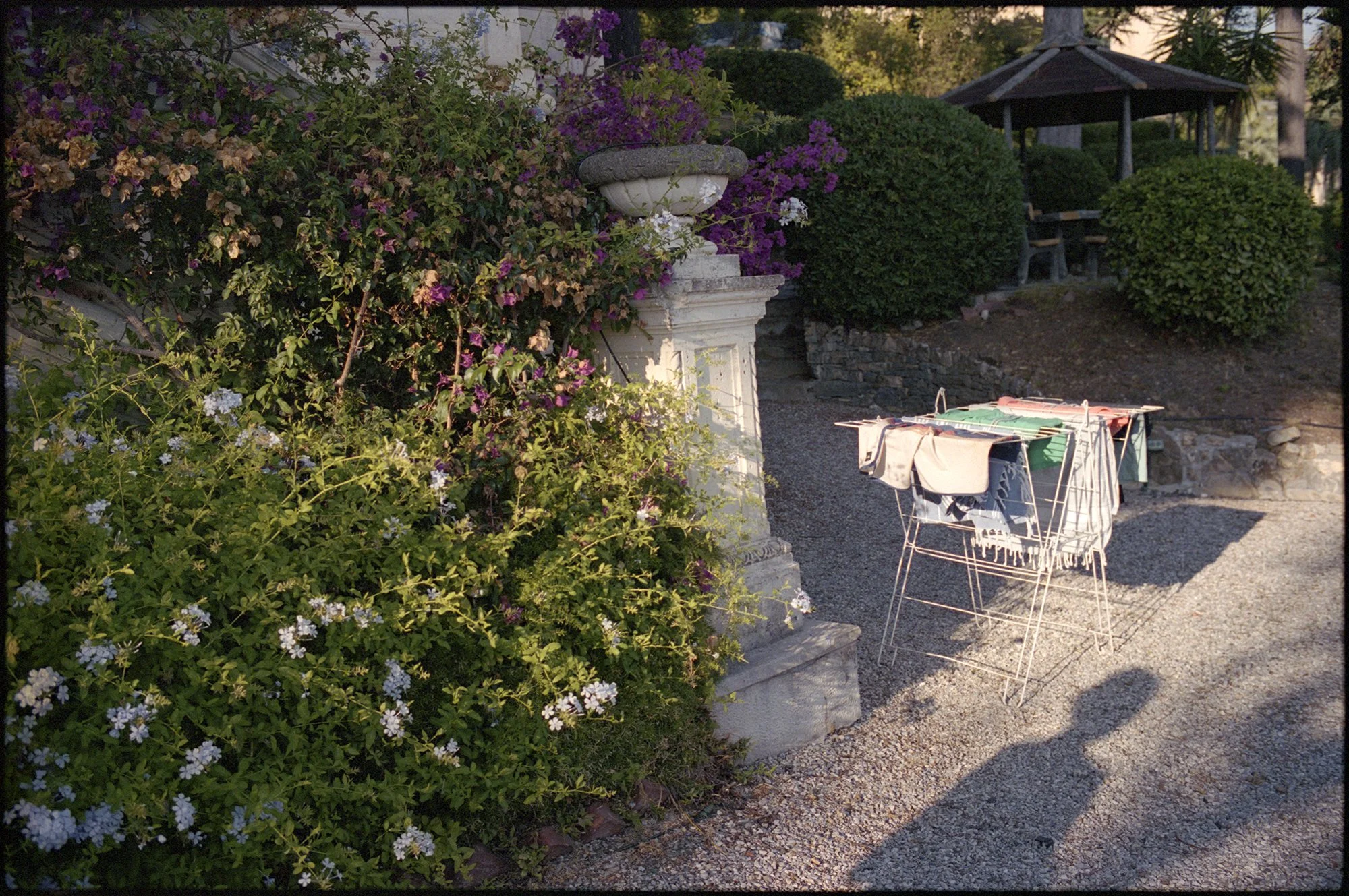
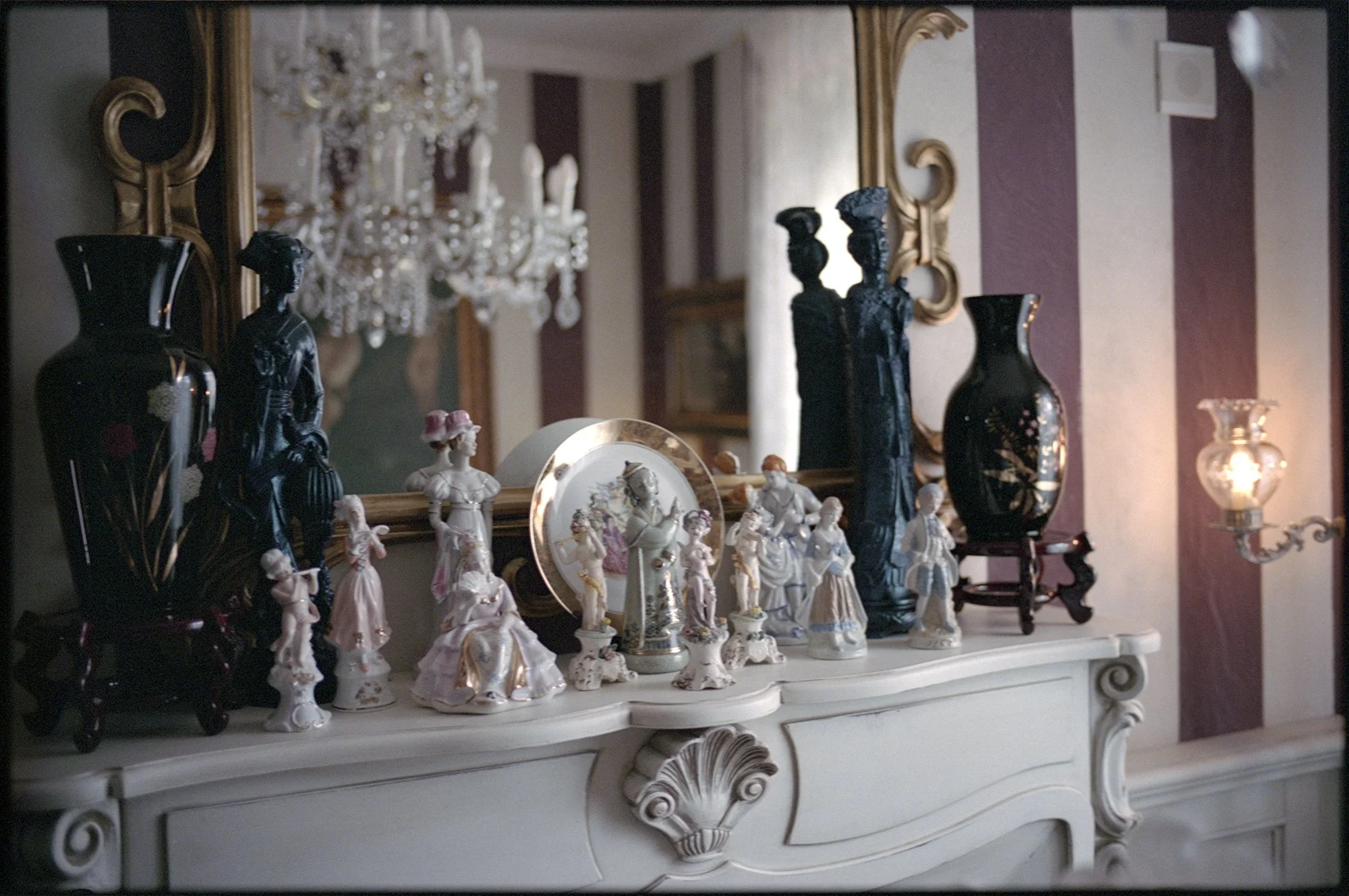
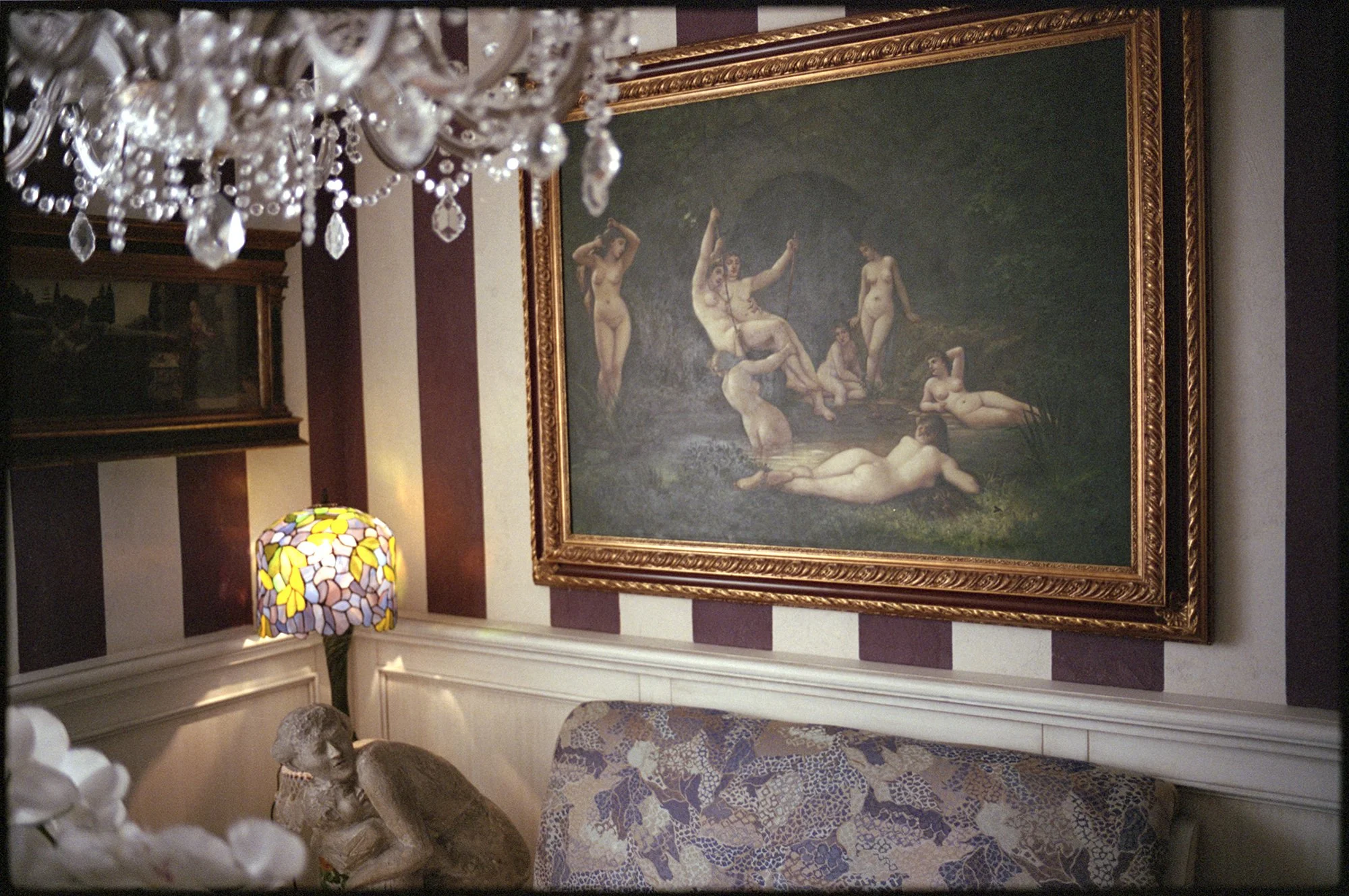
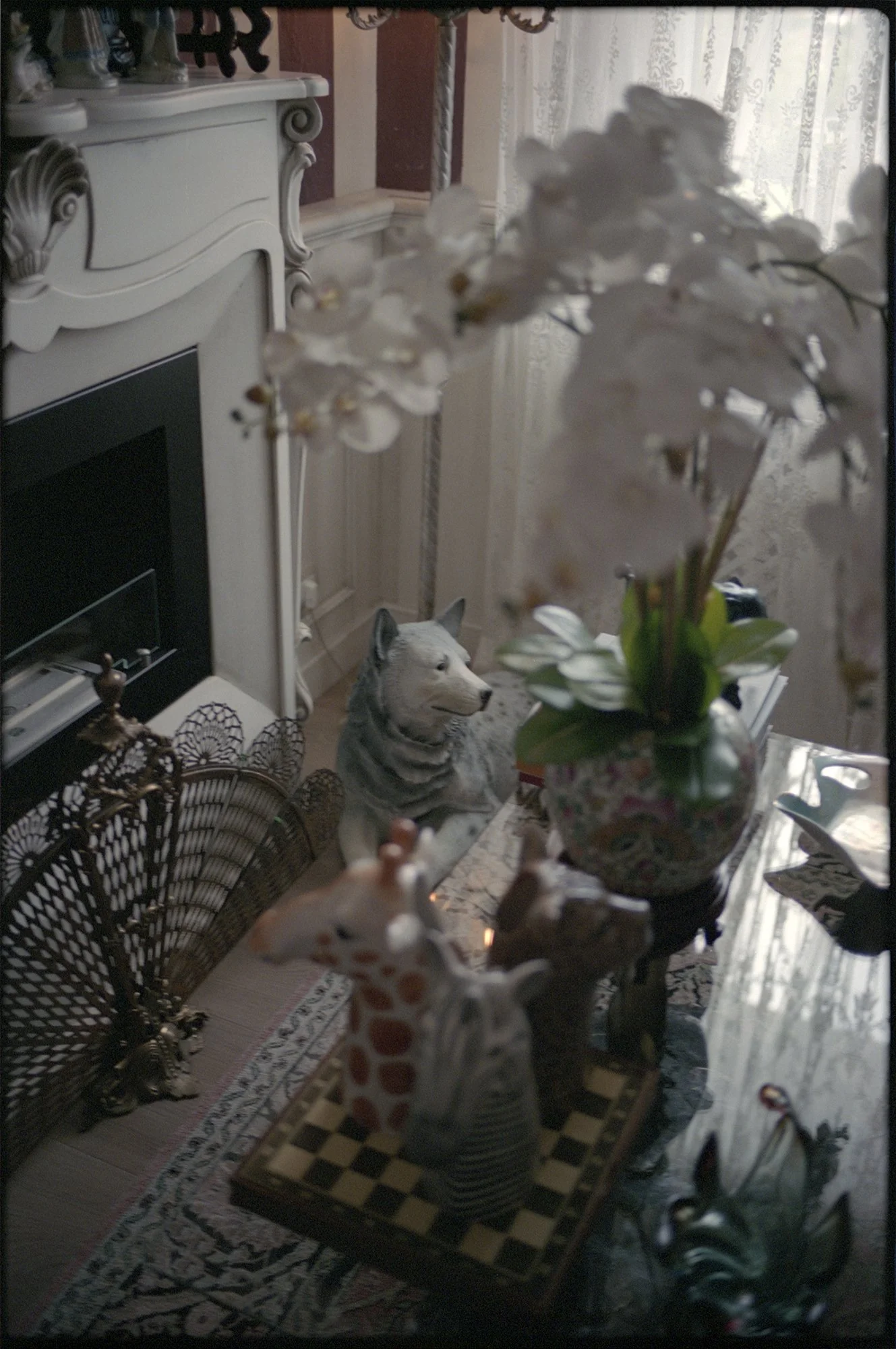
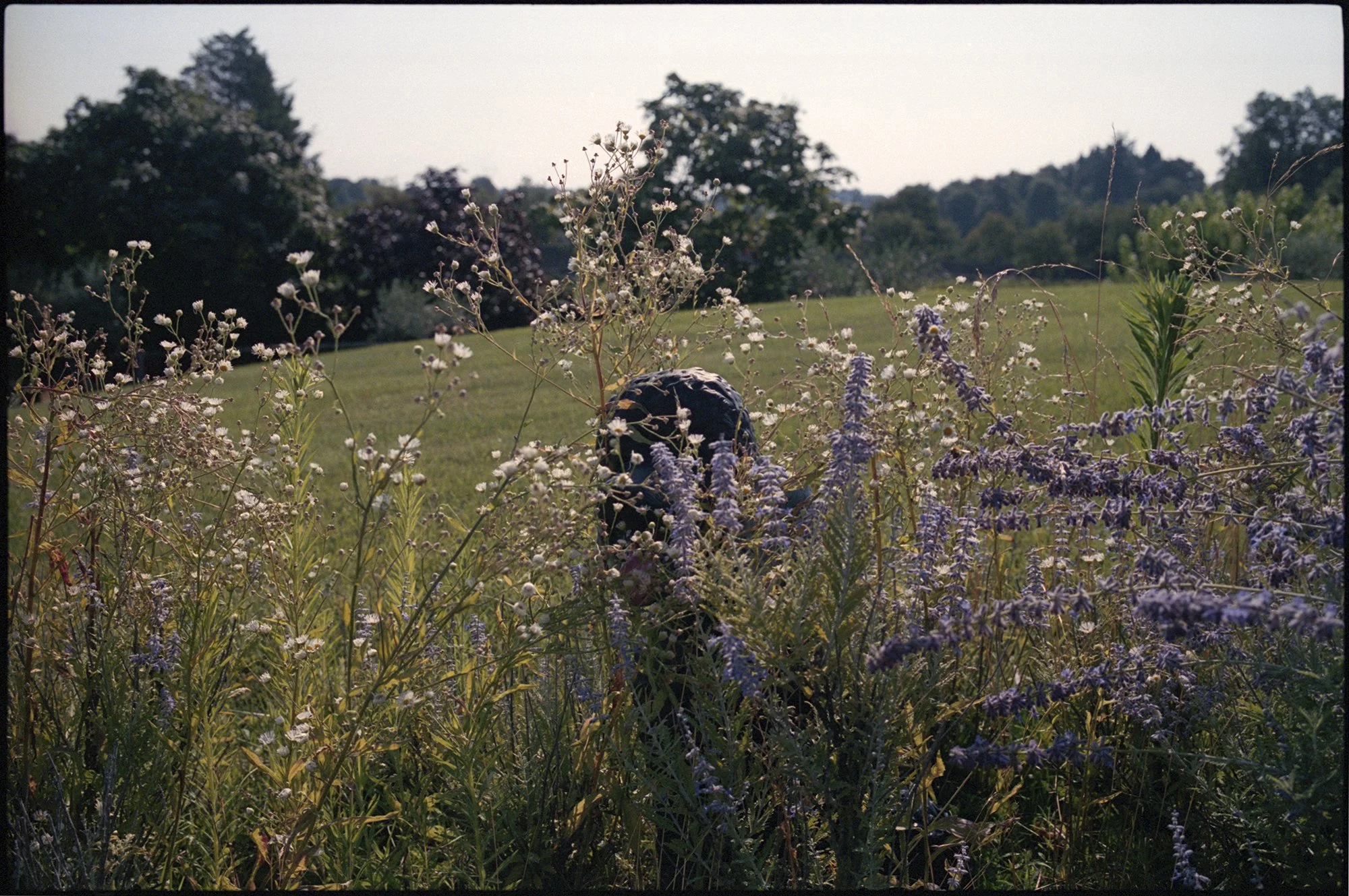
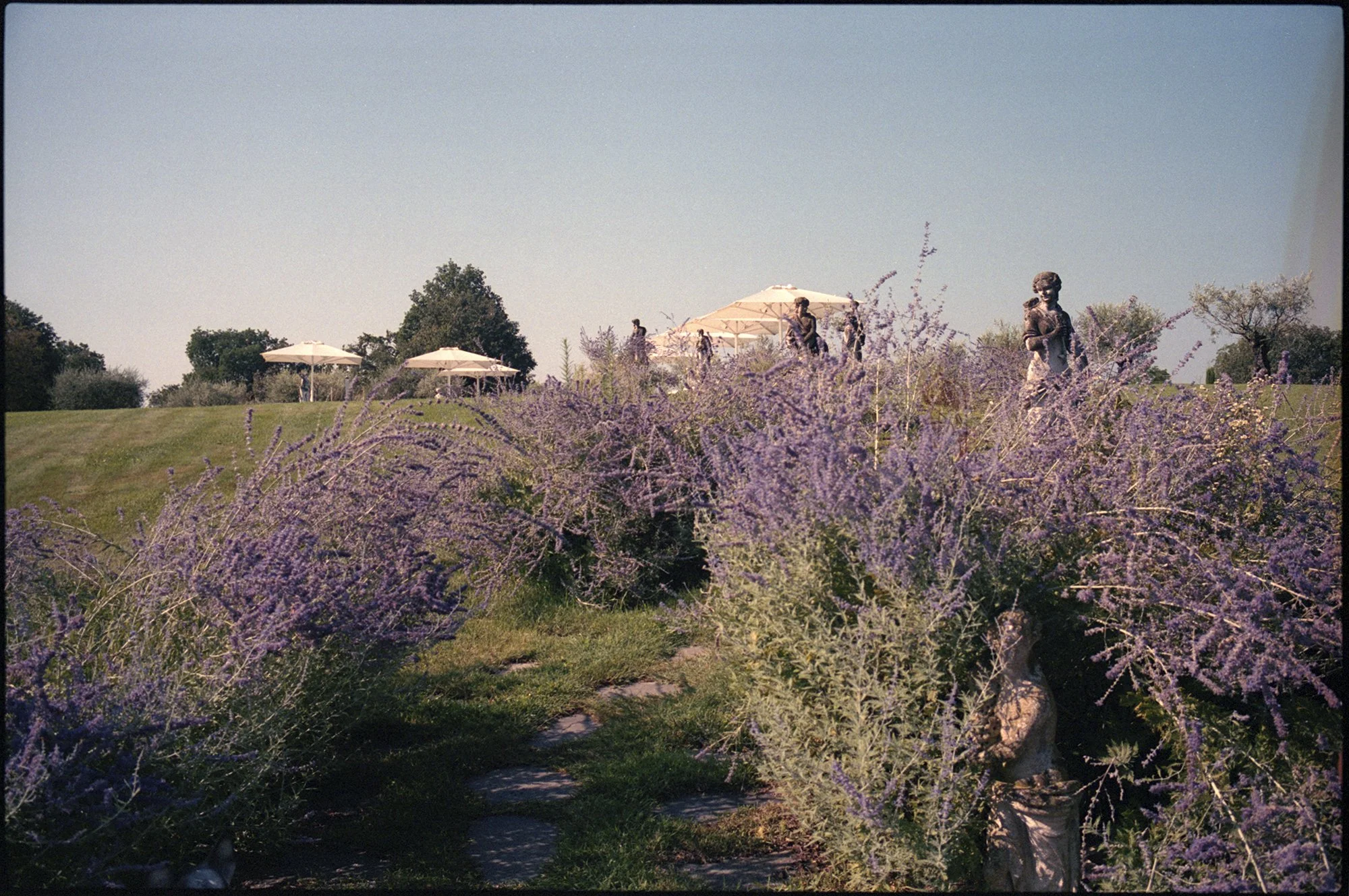
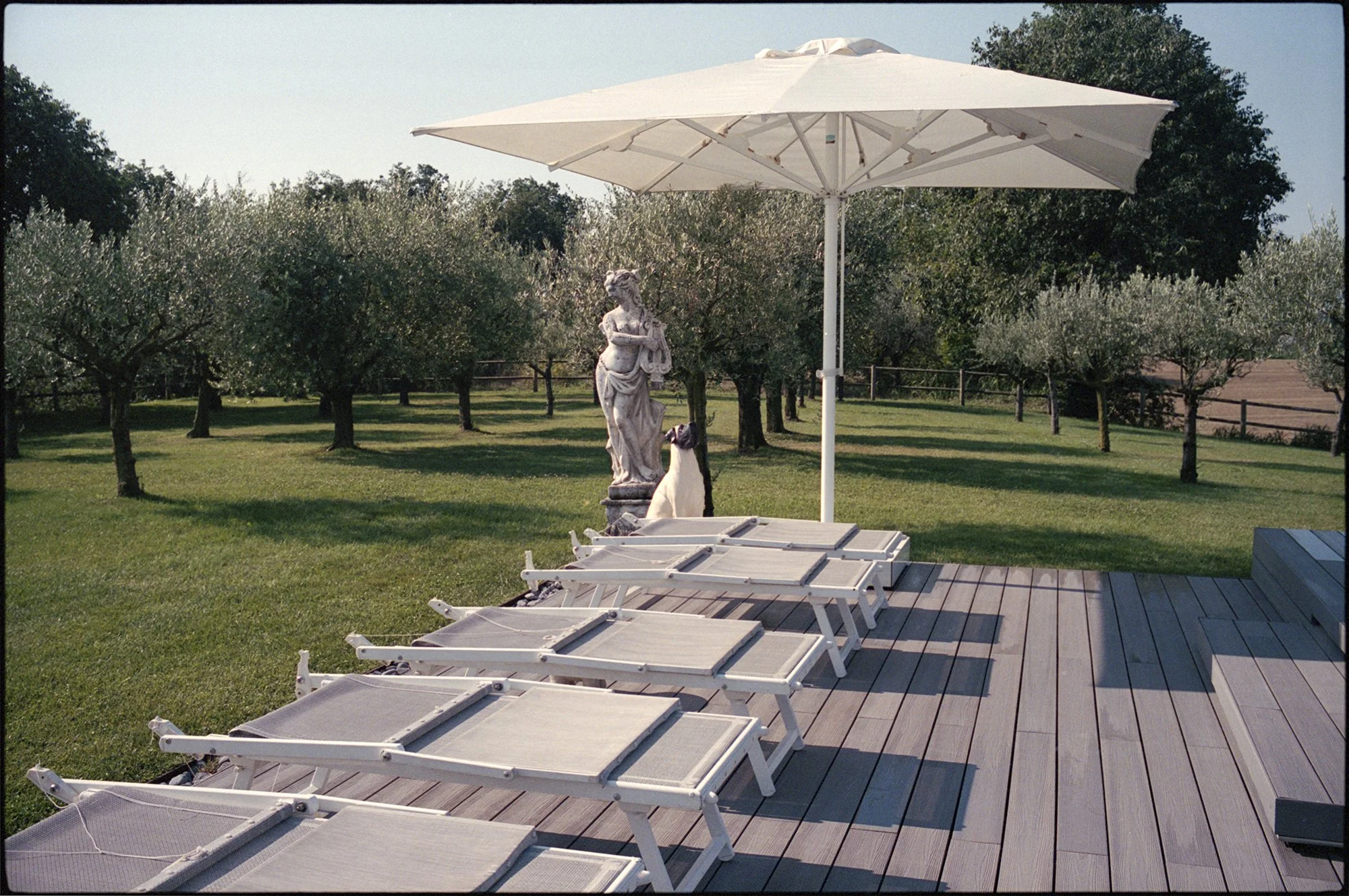
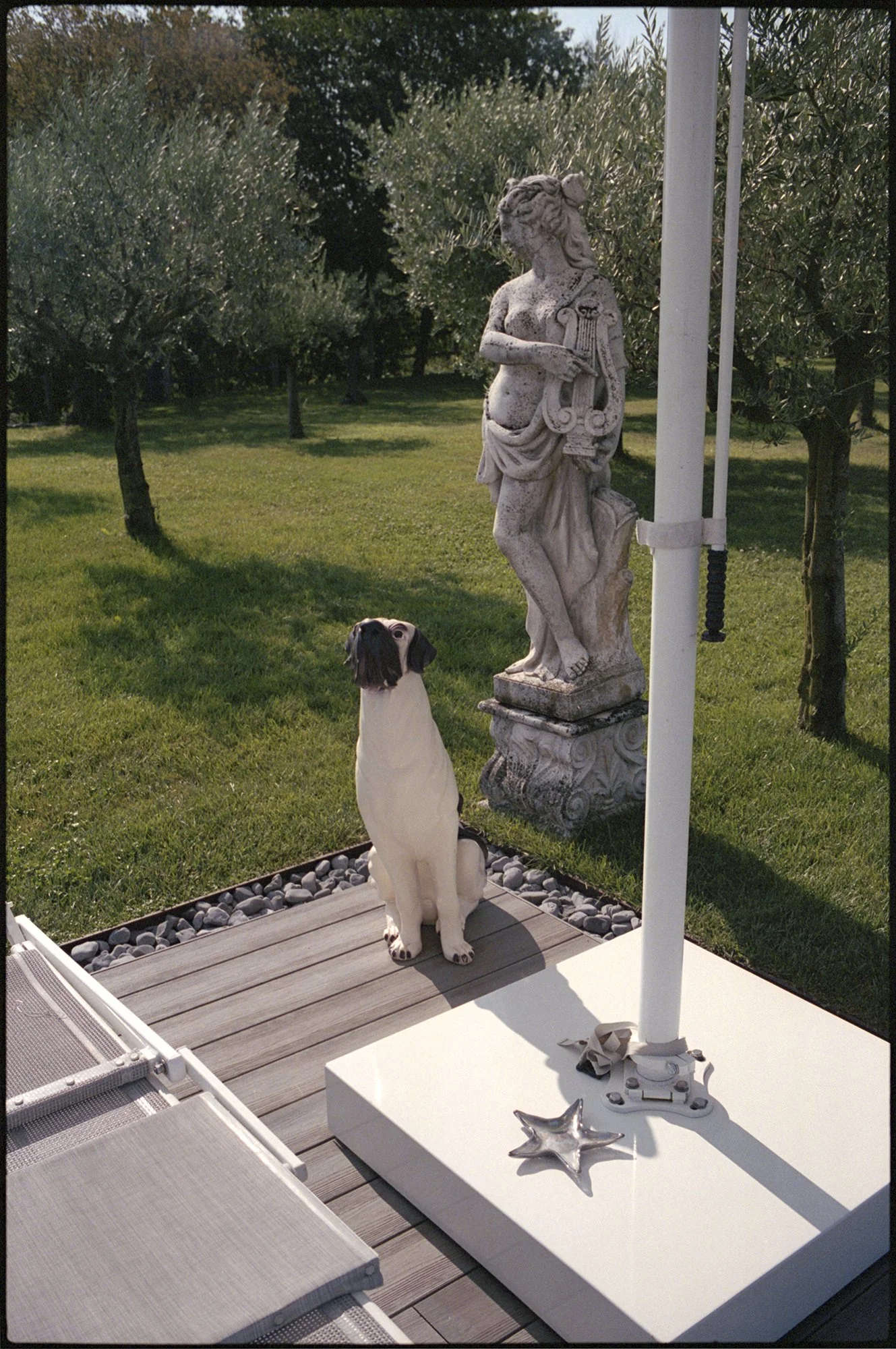
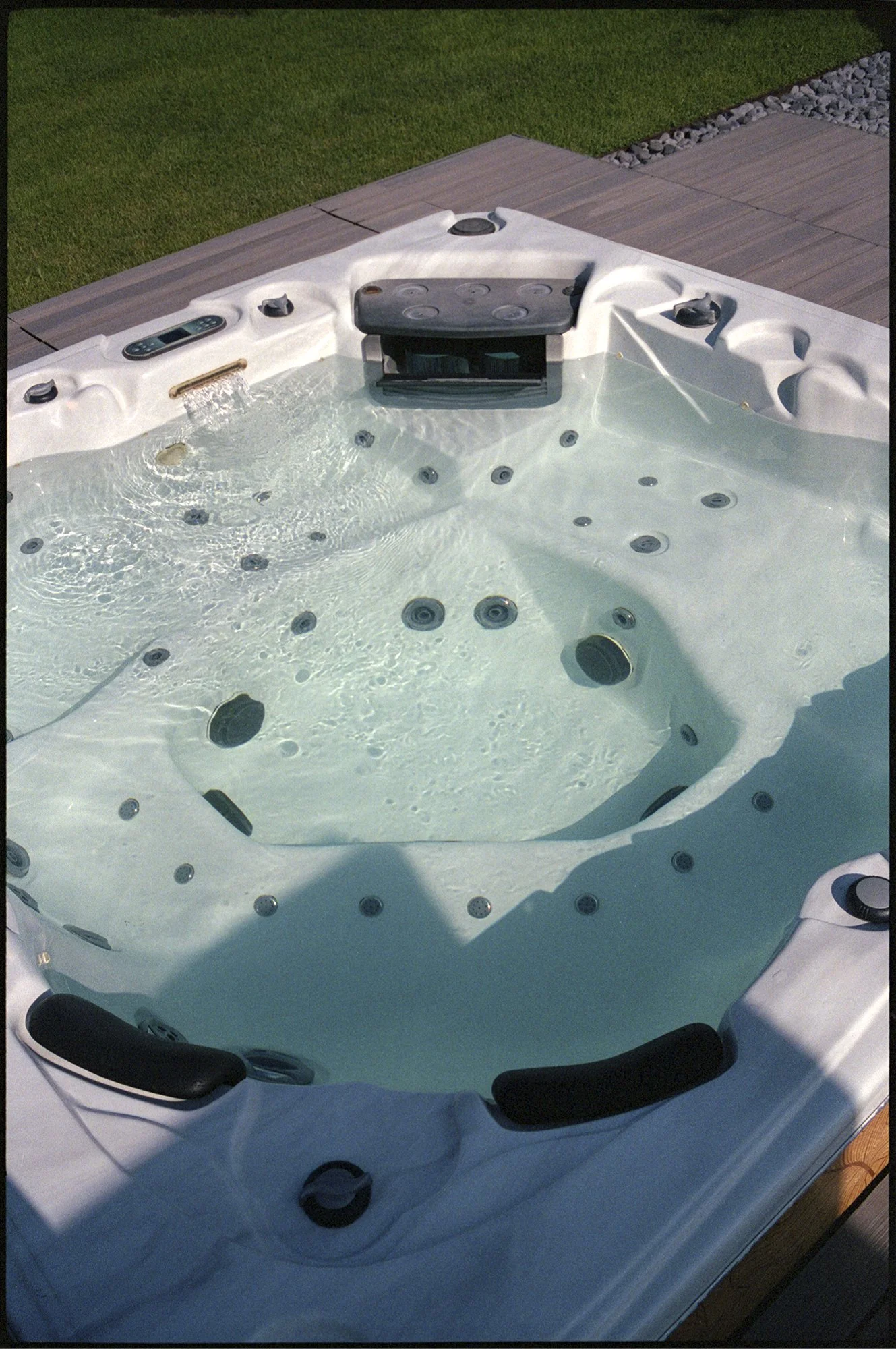
At a roadway hotel near Lake Garda, ornamentation overflowed and statues of dogs sat in the corners and outdoors in the sun. The place had nothing immediately around it except fields of grapes and a pool. Closeup, the ornaments and dogs and classic- or Eastern-inspired objects come from different times and décor sensibilities, but, taken as a group, cohered into a certain feeling that lands slightly short of comfort—though I was so exhausted from the heat, it hardly mattered.
These dog statues are part of a rare, valuable collection, warned a placard in the room. If you damage one, you will be billed an amount dependent on the dog in question.